
Fluid Mechanics of the Lung: Understanding Pulmonary Disease and the Role of AI
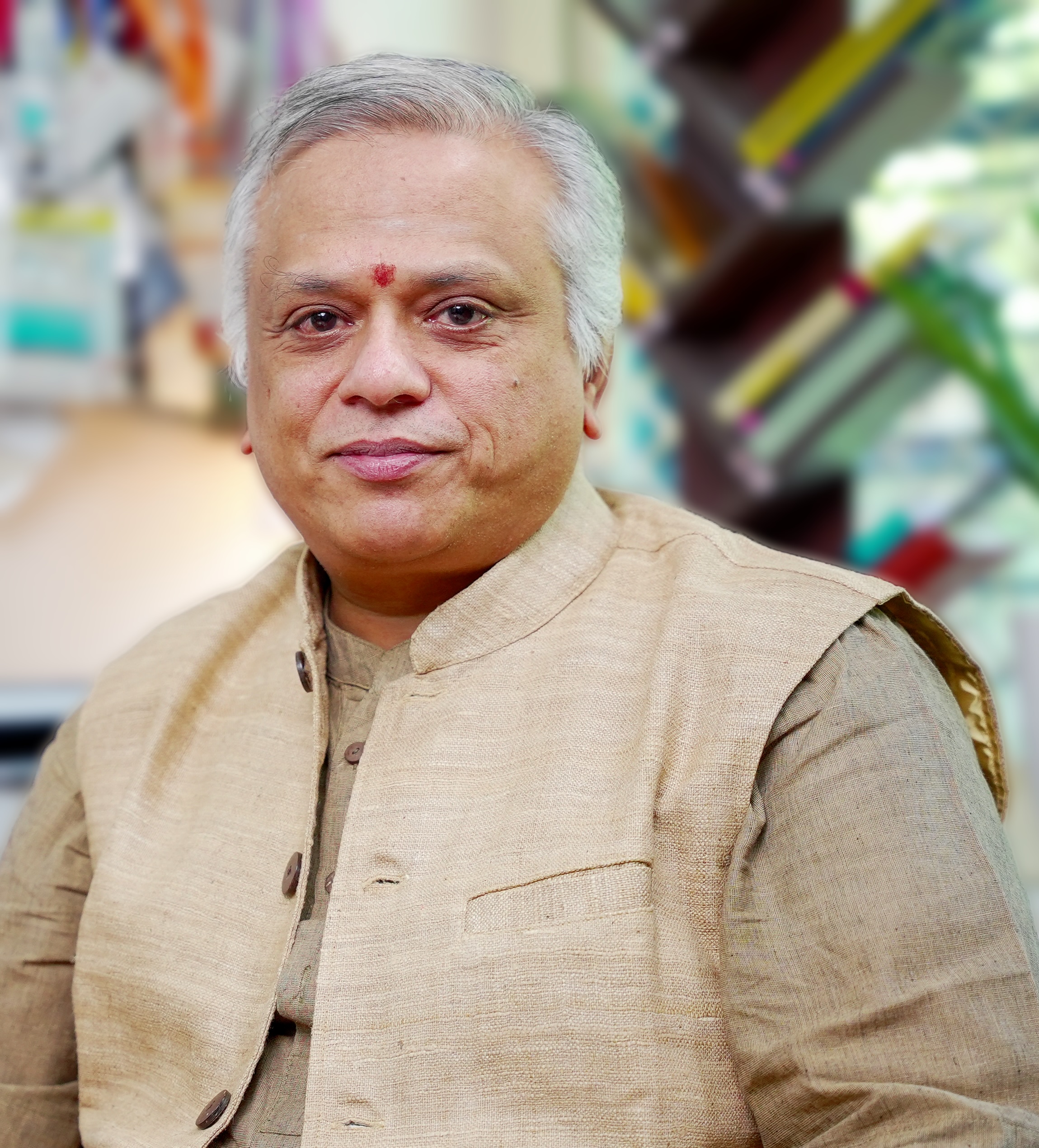
BIO: Prof. Mahesh Panchagnula is an Institute Chair Professor of Applied Mechanics and Biomedical Engineering at IIT Madras. His research spans lung physiology, aerosol science, AI-based breath identification, and predictive models of crowd dynamics, including deployments at large-scale festivals. As Dean of Alumni and Corporate Relations (2018–24), he led IIT Madras’ record $180million fundraising campaign and helped build India’s strongest alumni–corporate ecosystem. He also co-founded *Nirmaan* and shaped IITM’s Incubation Cell into India’s leading deep-tech hub. A passionate educator, he hosts the *Prof. Mahesh Podcast*, reaching 180,000+ subscribers, inspiring students through science, technology, and innovation.
ABSTRACT: The lung is a highly intricate multiscale fluid‐mechanical system spanning four orders of magnitude in Reynolds number – the only one of its kind in nature or engineered systems. It also exhibits airflow dynamics, aerosol transport, droplet deposition, advection, and immune processes which interact to regulate gas exchange, pathogen defense, and therapeutic delivery. This talk will draw on stochastic asymmetric bronchial-tree models, and functional whole lung reduced order models with coupled airway–mucus flow models, to delineate the importance of airway geometry and breathing patterns in determining regional deposition and clearance. We will show from human subject data that there is a vast difference from individual to individual – quite unlike any other organ of the body – further complicating any study of transport in the lung. We will also argue that the pulmonary system is perfect for the application of tools from the world of AI and demonstrate an application in classification based on extra thoracic geometry variability. For the first time, we will explain the duration for onset of pathogenesis in distal lung infection as well as stress the evolutionary role of asymmetry in lung branching. Using Monte-Carlo simulations, we will reveal that intersubject variability in airway diameters and bifurcation angles drives population-scale trends in aerosol dosimetry, with bronchoconstriction reducing deep-lung delivery while enhancing upper‐airway deposition. We will discuss optimality of 1–5 µm aerosols for deep-lung drug delivery while minimizing inter-subject variability and demonstrating a twofold increase in deep-lung retention when breathing time-period doubles. These coupled models, validated against microfluidic and in vivo data, further integrate viral kinetics and immune responses to elucidate a novel Reaerosolization of Nasopharyngeal Mucosa (RNM) pathway of pathogen transport from nasopharynx to alveoli, revealing that inhaled droplets can seed deep-lung infection within four days and highlighting breath-holding strategies to optimize therapeutic aerosols. Finally, we will demonstrate evidence of chaotic mixing in the alveolus explaining the long standing problem of gas mixing at Stokesian Reynolds numbers. Together, these computational and experimental insights provide a comprehensive framework for patient-specific respiratory treatments, protective device design, and infection control strategies, with future extensions aiming to incorporate surfactant dynamics and inflammatory responses to refine predictive models of lung function and pathology. In one last slide presenting bibiliometric data, we will present a compelling case for why the Lung is the organ for future research focus, one that cannot be ignored.