
The first successful 3D printing of aluminum alloy 7075
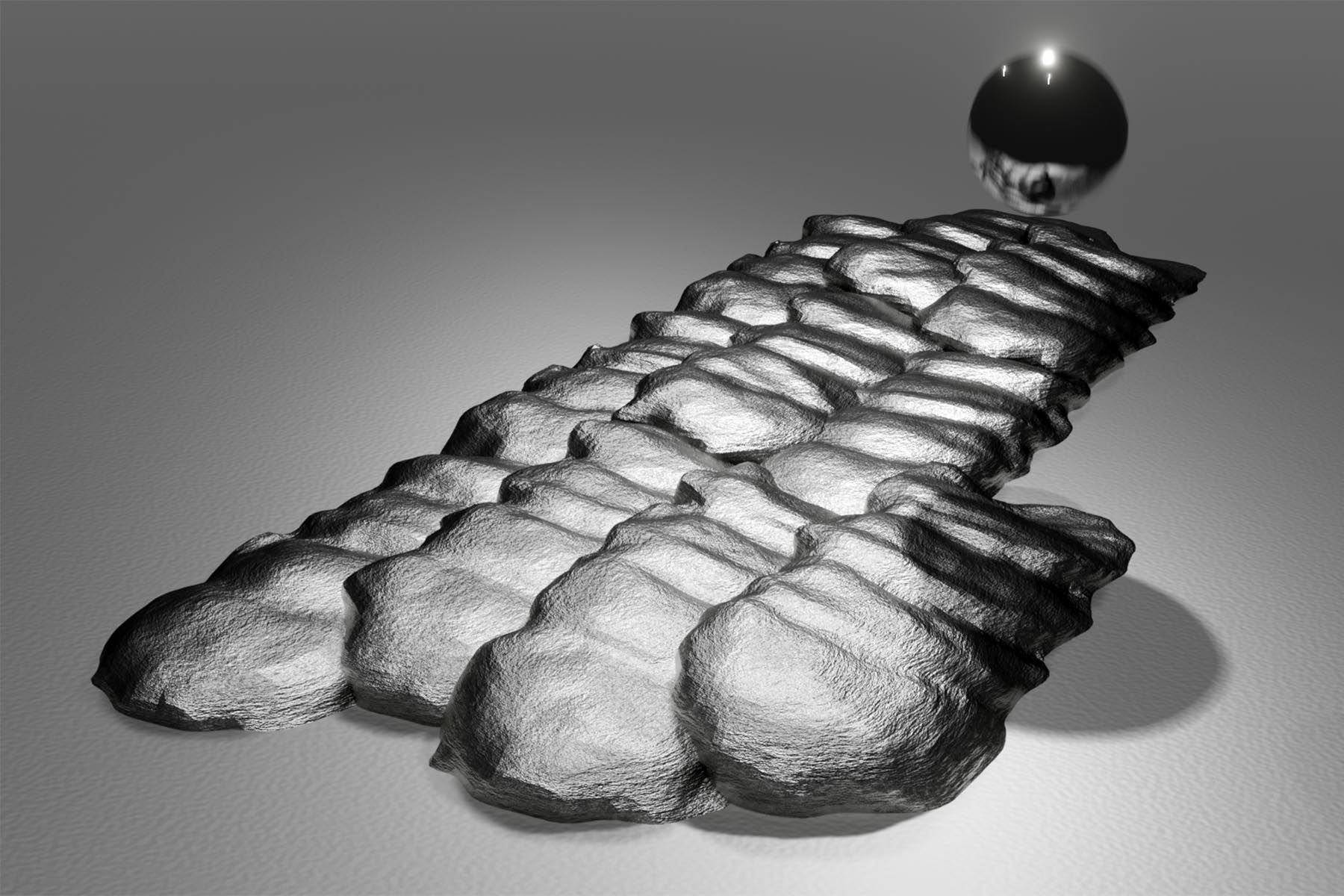
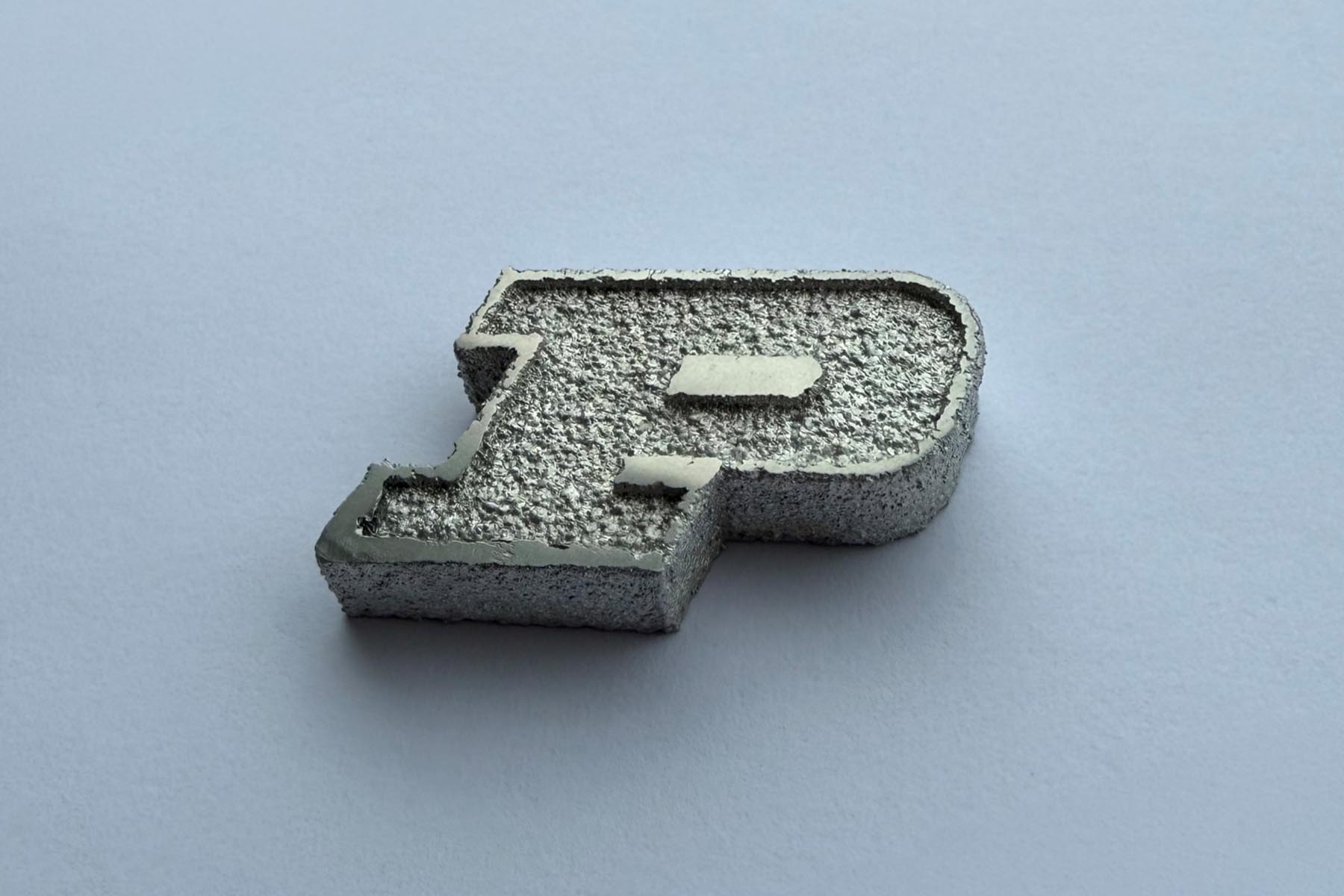
“This aluminum alloy is as strong as steel, but only a third of the weight,” said I. Emre Gunduz, an adjunct professor at Purdue Mechanical Engineering and a professor at the Naval Postgraduate School in Monterey, California. “It’s also relatively inexpensive compared to similarly-performing metals like titanium. That’s why it’s used in high-performance lightweight parts for aircraft.”
During his time at Purdue, Gunduz helped to develop several unique methods of additive manufacturing. He pioneered a method to 3D-print extremely viscous materials — everything from cookie dough to solid rocket propellant. Now he has turned his attention to AA7075.
“There are many ways to additively manufacture metal,” Gunduz said. “The most common method uses metal powder, which is deposited layer-by-layer and melted together with lasers. But that doesn’t work with AA7075 because of alloy degradation, leaving the final piece brittle and cracking. It’s notoriously hard to weld or 3D print.”
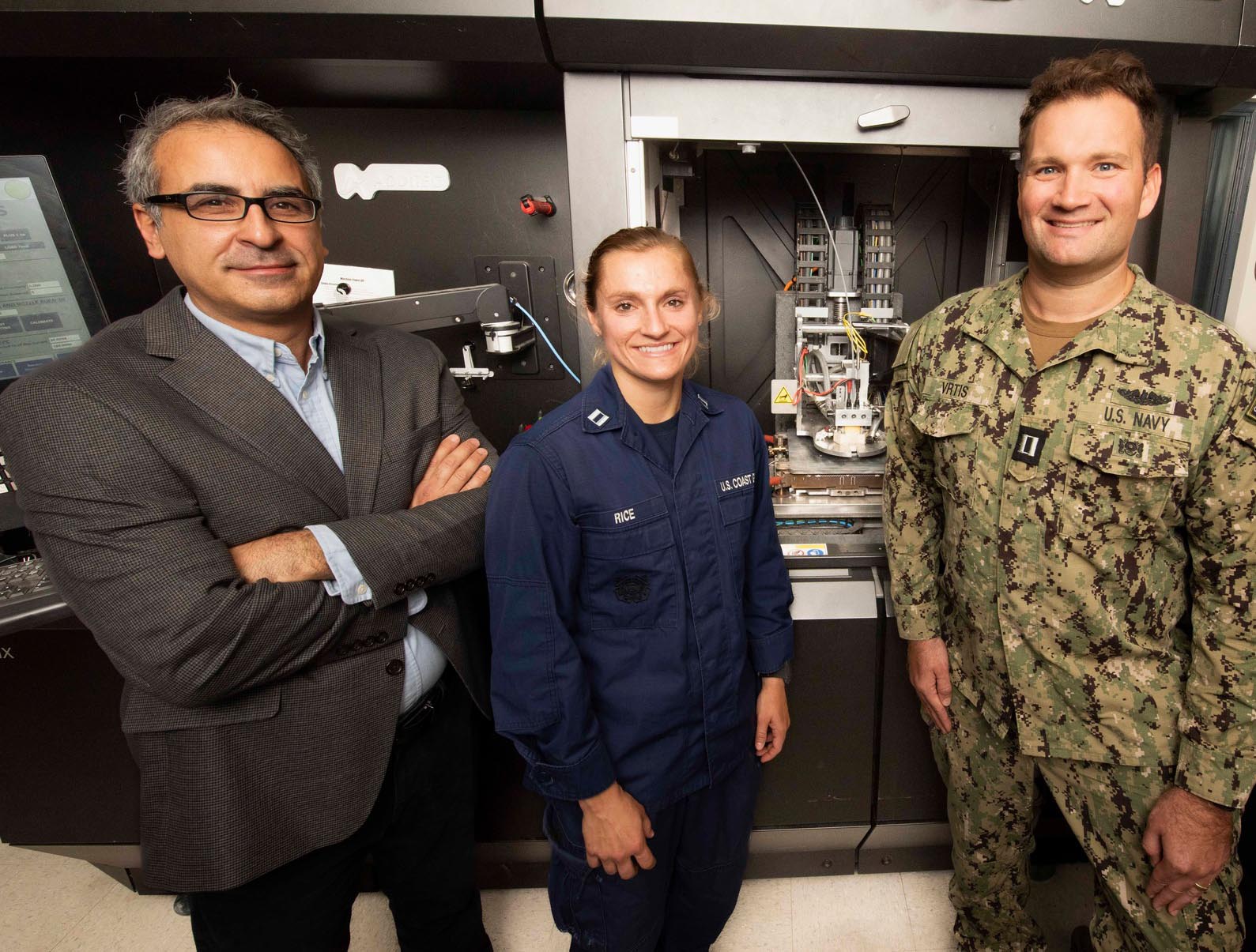
Gunduz and his team decided to pursue liquid metal jet printing, as part of a cooperative project with Xerox. This method is similar to traditional 2D inkjet printing, which deposits tiny droplets of ink onto paper. For 3D printing, the metal is first melted in a crucible, and then a nozzle deposits molten droplets onto a moving stage.
“These are tiny droplets, less than half a millimeter in diameter,” Gunduz said. “We use magnetohydrodynamic forces to propel each droplet precisely onto the substrate. And it happens fast; at peak, we’re depositing 400 droplets per second, and the computer scans and conducts error-correction every few layers during the print. But the key part is managing the temperature.”
If they heated the metal too much, the alloy would degrade in the crucible. And if they didn’t heat it enough, the metal would cool and crack immediately after being deposited. So they found a sweet spot by heating the movable stage up to 500°C. This kept the deposited droplets in their molten state longer, helping them to weld together and solidify without cracking.
His research has been published in Metallurgical and Materials Transactions A.

After a final heat treatment, Gunduz and his team tested the finished pieces, and found extraordinary results. “These printed parts were matching or exceeding the material properties of the stock alloy by up to 10 percent without any thermomechanical treatment,” he said. “The ductility and strength matched anything that came out of traditional manufacturing methods.”
This was further confirmed with nanoscale synchrotron X-ray CT scans performed at Brookhaven National Laboratory in Upton, New York, as well as further X-ray CT scans at the Naval Postgraduate School. Gunduz’ samples printed at 200°C showed telltale voids and cracks in the interior of the sample; whereas the 500°C samples were remarkably consistent and solid with fine precipitates.
“We are still trying to understand how this unique way to produce this alloy drop-by-drop changes its microstructure, compared to casting followed by rolling, which is typically used for this alloy,” Gunduz said.
In the end, Gunduz is thrilled to have first demonstrated new avenues for manufacturing 7000-series aluminum alloys — and in the future, perhaps other novel types of metals. “It’s amazing that this method allows us to tune many processing parameters for this alloy. In fact, we can potentially use these parameters for many printing methods. This can lead to better quality, cheaper, and customizable and detailed designs for new applications in aerospace, defense, and automotive industries.”
Source: I. Emre Gunduz, igunduz@purdue.edu
Writer: Jared Pike, jaredpike@purdue.edu, 765-496-0374
The opinions and views expressed are those of the author(s) alone and do not necessarily represent those of the U.S. Government, U.S. Department of War or its components, to include the Department of the Navy or the Naval Postgraduate School.
Full-Strength Additive Manufacturing of Pure Aluminum Alloy 7075 Using Liquid Metal Jet Printing
Zachary Vrtis, Sidney Hall-Smith, Stephen Stokes, Ryan Chambers, Mingyuan Ge, Xiaoyang Liu, Tugba Isik, Si Chen & I. Emre Gunduz
https://doi.org/10.1007/s11661-026-08170-7
ABSTRACT: Additive manufacturing (AM) of high-strength aluminum alloys can produce high-performance aerospace and biomedical parts with unique geometries and functions. However, many high-performance alloy systems such as AA 7075 pose challenges during AM due to thermal cycles that cause hot cracking, limiting AM to casting-friendly alloys. Stock AA 7075 alloy poses additional challenges due to the excessive growth of insoluble precipitates during casting and needs to be thermomechanically processed to obtain acceptable mechanical properties. This work uses liquid metal jet printing to produce high-resolution pure AA 7075 parts at high strength (593 MPa) and ductility (10 pct), surpassing the specific strength of any type of steel. The parts are printed by depositing fine droplets on a high-temperature substrate that reduces cooling rates, preventing hot cracking. The results show that fully dense, crack-free parts can only be printed at substrate temperatures of 500 °C with a cooling rate threshold of < 2000 K/s to prevent cracking and < 500 K/s to eliminate porosity. The tensile strength, microhardness, and ductility of the parts matched or were beyond the wrought alloy specifications after heat treatment, possibly due to high solidification rates that produce finer insoluble precipitates. Our results indicate that many challenging high-performance alloy systems can now be 3D printed based on the critical thresholds for cooling rates using any AM method that can satisfy these conditions.