
CoE is well represented on list of top 2017 research stories
At the top of the list is technology that could provide an “instantly rechargeable” method that is safe, affordable and environmentally friendly for recharging electric and hybrid vehicle batteries through a quick and easy process similar to refueling at a gas station. Eric Nauman, professor of mechanical engineering, basic medical sciences and biomedical engineering is one of the researchers on the project.

Story link: ‘Instantly rechargeable’ battery could change the future of electric and hybrid automobiles
Listed at number two is the development of tiny, electronic vibrating sensors that can detect biomarkers caused by diseases or injuries, including concussions, using just a drop or two of blood. Researchers include Nauman (also part of the team in the No. 1 story); Jeffrey Rhoads, professor of mechanical engineering; and George Chiu, professor of mechanical engineering, electrical and computer engineering, and the Department of Psychological Sciences.
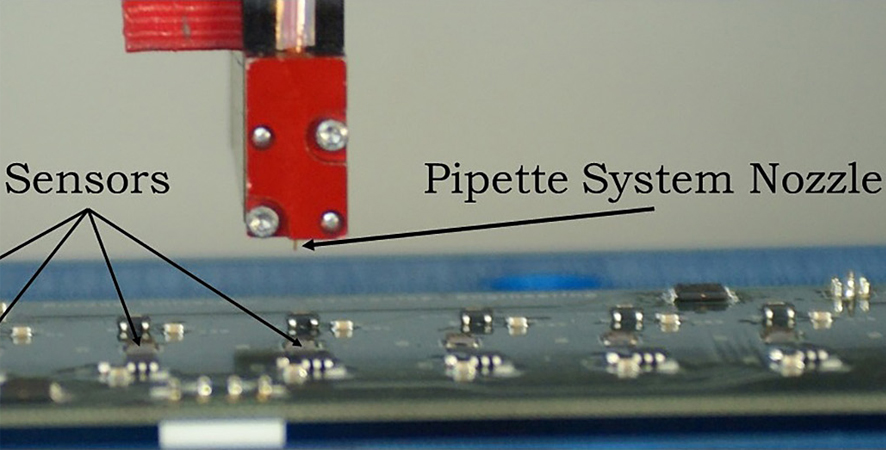
Story link: Sensors could improve detection, treatment of numerous diseases
In the sixth slot is the story “Potential human habitat located on the moon” involving AAE Professor Kathleen Howell. Research detected the potential existence of a large open lava tube in the Marius Hills region of the moon. Data from the Japanese Kaguya spacecraft produced evidence for the existence of the tube, which could be used to protect astronauts from hazardous conditions on the surface of the moon.

Story link: Potential human habitat located on the moon
Coming in at number seven is research led by Andrew Whelton, an assistant professor of civil engineering, who found that a widely used method of repairing sewer, stormwater and drinking water pipes previously thought to be safe is actually a potential health and environmental issue for workers and the public.
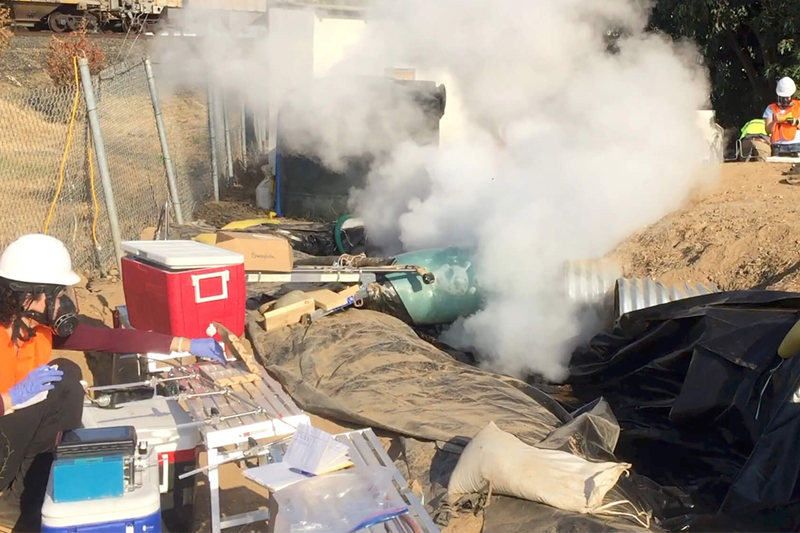
Story link: Materials emitted by a water pipe-repair method may pose health risks, new safeguards and research needed
At number eight on the list is the story “Innovative material for soft sensor could bring new tactile tech” about a new type of material that can serve as an electronic sensor or controller. Unlike other smart materials, iSoft contains no wiring or electronics within the material, allowing it to stretch. Lead researcher was Karthik Ramani, the Donald W. Feddersen Professor of Mechanical Engineering, and director of the C Design Lab.
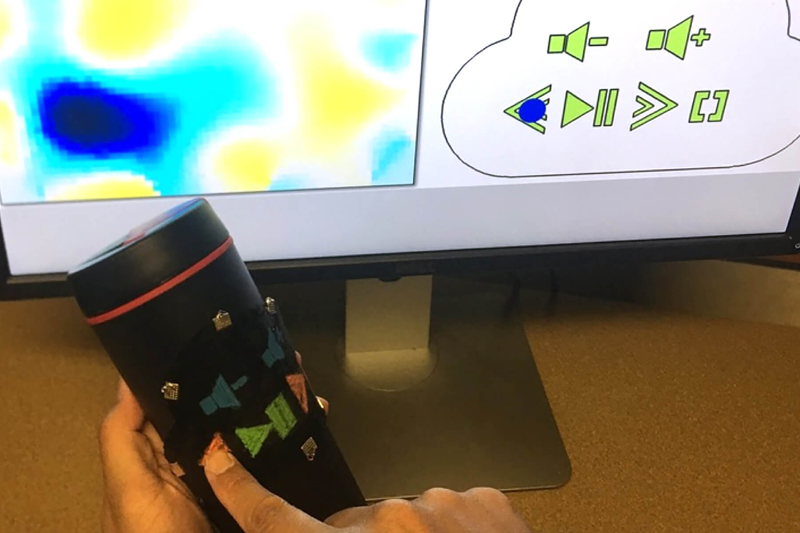
Story link: Innovative material for soft sensor could bring new tactile tech
Finally, the story at number nine involved research by Julie Liu, an associate professor of chemical engineering and biomedical engineering. She presented evidence that a non-toxic glue modeled after adhesive proteins and produced by mussels and other creatures has been found to out-perform commercially surgical sutures and staples. The substance could be used in an estimated 14 million procedures worldwide each year, lowering the risk of infection, doing less damage to surrounding tissue, and improving patient comfort.

Story link: Non-toxic underwater adhesive could bring new surgical glue
Source: Top 10 2017 research news stories from Purdue University