The rapid rise in technologies for data collection has created an unmatched opportunity to advance the use of data-rich tools for lifecycle decision-making. However, the usefulness of these technologies is limited by the ability to translate...
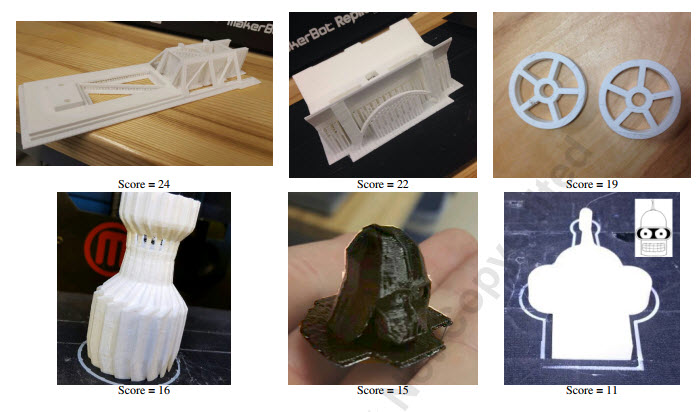
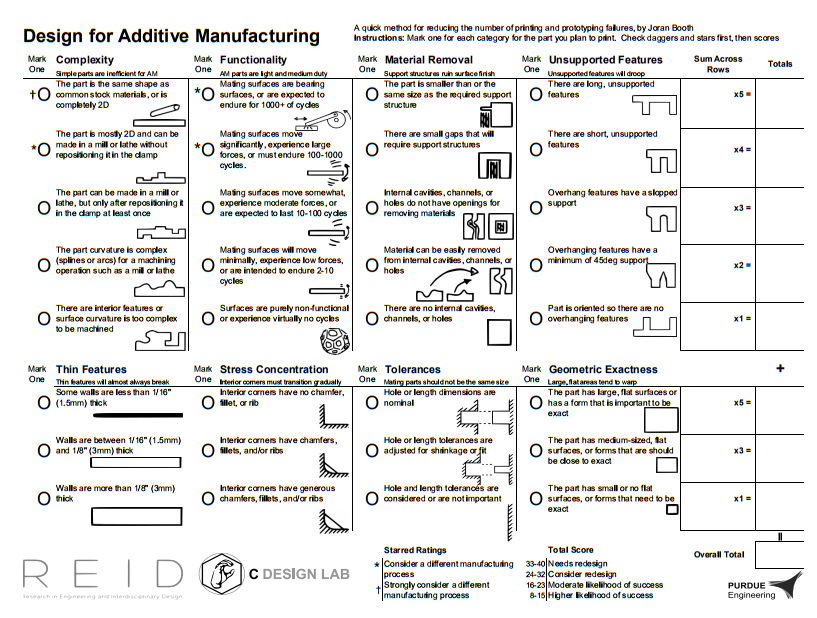
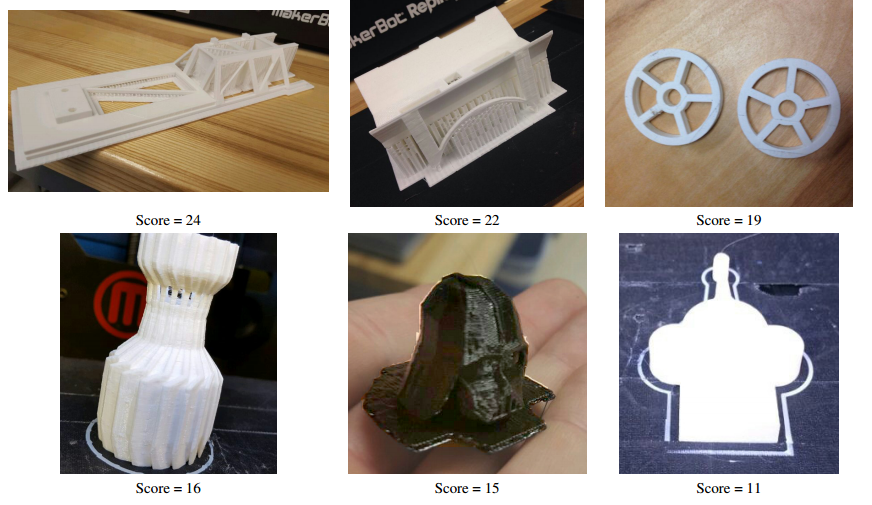
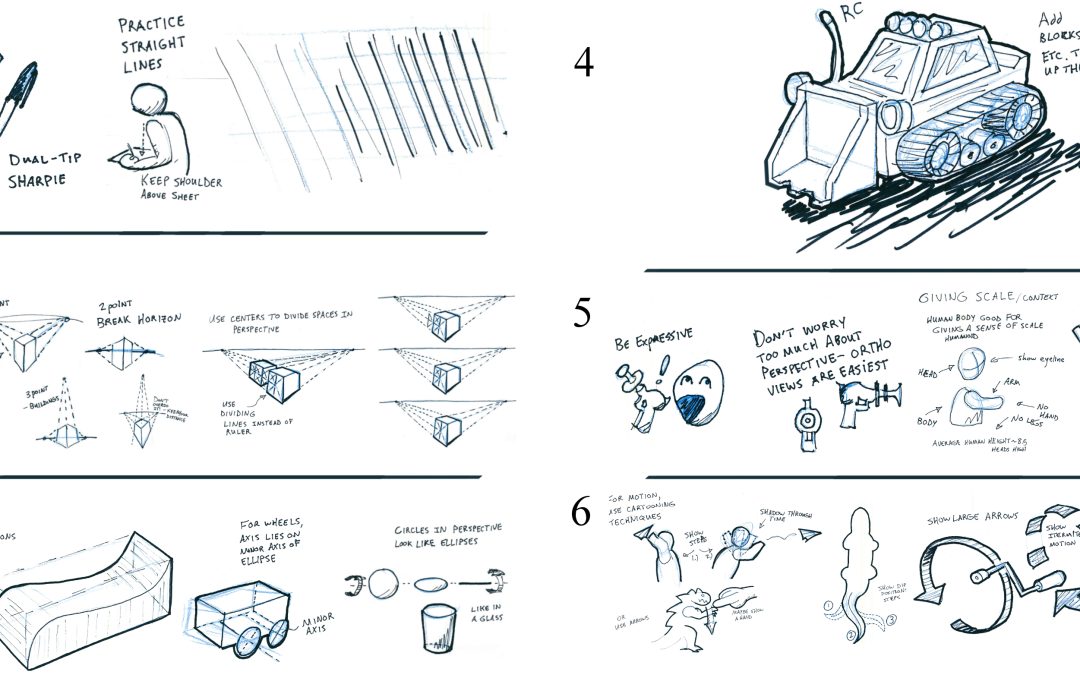
Additive manufacturing (AM) technologies have become integral to the modern manufacturing process. These roles are filled both in prototyping and production. Many studies have been conducted and lists been written on guidelines for AM. While these...
Additive manufacturing (AM) technologies have become integral to modern prototyping and manufacturing. Therefore, guidelines for using AM are necessary to help users new to the technology. Many others have proposed useful guidelines, but these are...
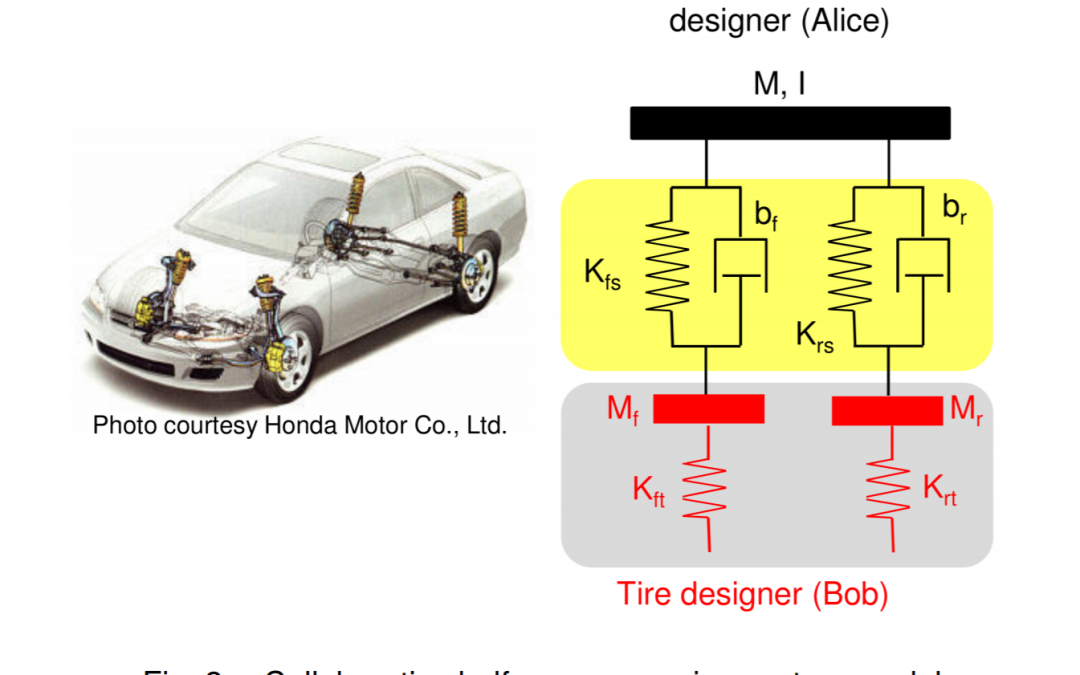
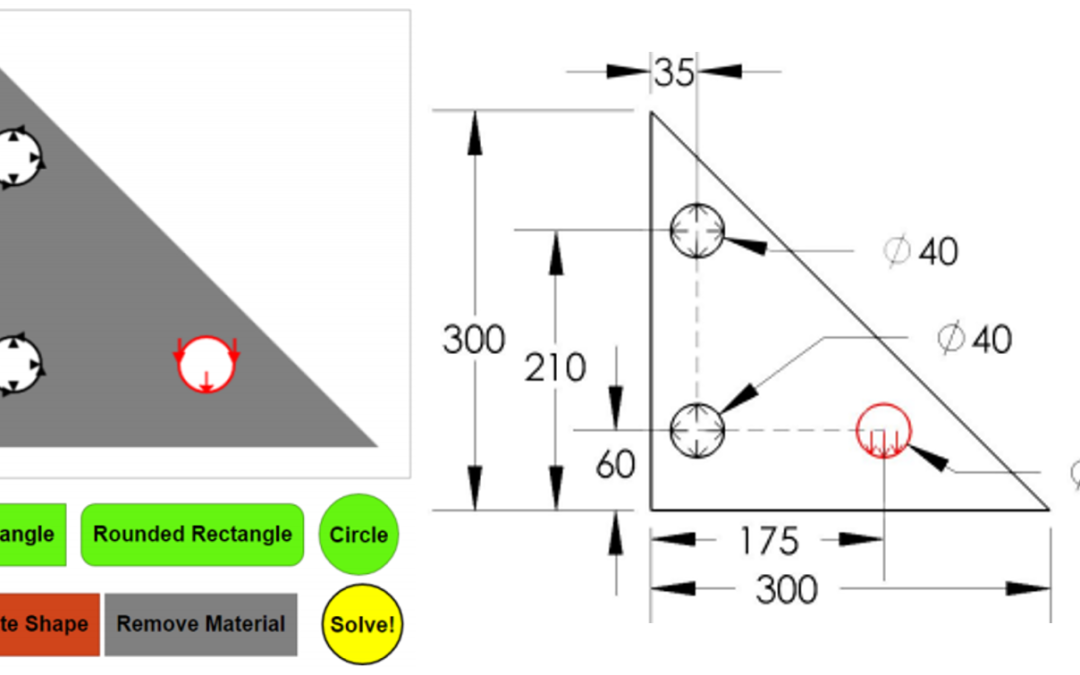
The goal in this paper is to enable collaboration in the co-design of engineering artifacts when participants are reluctant to share their design-related confidential and proprietary information with other co-designers, even though such information...
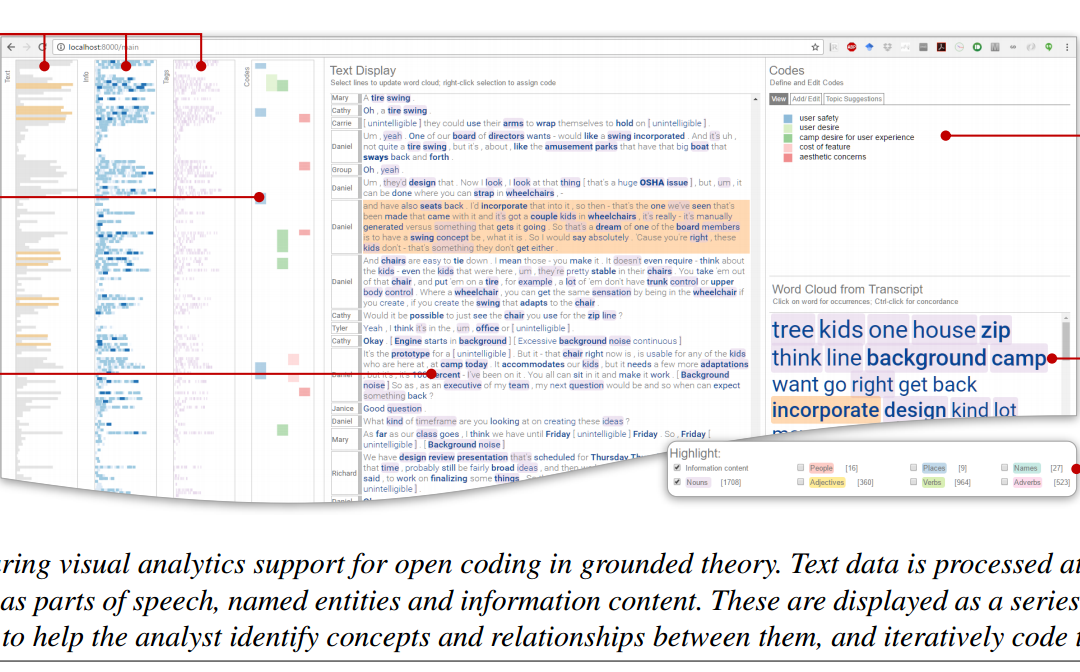
We present an argument for using visual analytics to aid Grounded Theory methodologies in qualitative data analysis. Grounded theory methods involve the inductive analysis of data to generate novel insights and theoretical constructs. Making sense...
Despite its grounding in creativity techniques, merging multiple source sketches to create new ideas has received scant attention in design literature. In this paper, we identify the physical operations that in merging sketch components. We also...
The societal demand for inspiring and engaging science, technology, engineering, and mathematics (STEM) students and preparing our workforce for the emerging creative economy has necessitated developing students self-efficacy and understanding of...
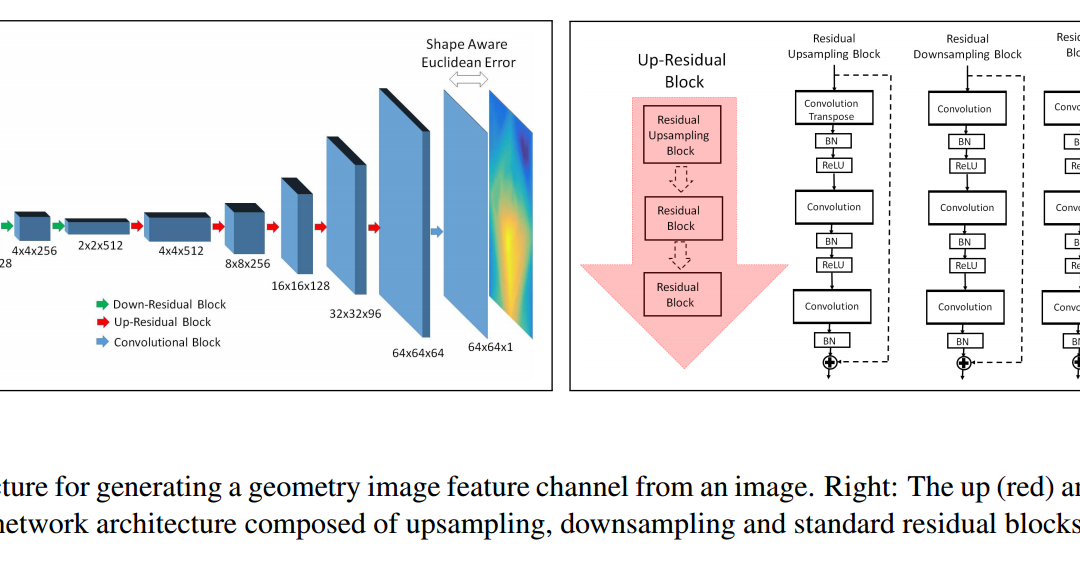
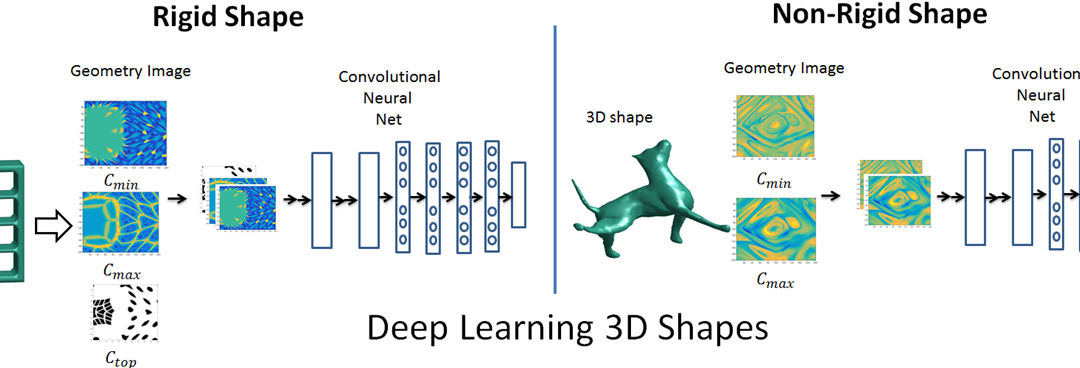
3D shape models are naturally parameterized using vertices and faces, i.e., composed of polygons forming a surface. However, current 3D learning paradigms for predictive and generative tasks using convolutional neural networks focus on a...
Personalization is an emerging manufacturing paradigm towards meeting diversified customer needs. This paper proposes a framework for producing personalized products efficiently. An approach for optimal mix of different module types is proposed in...
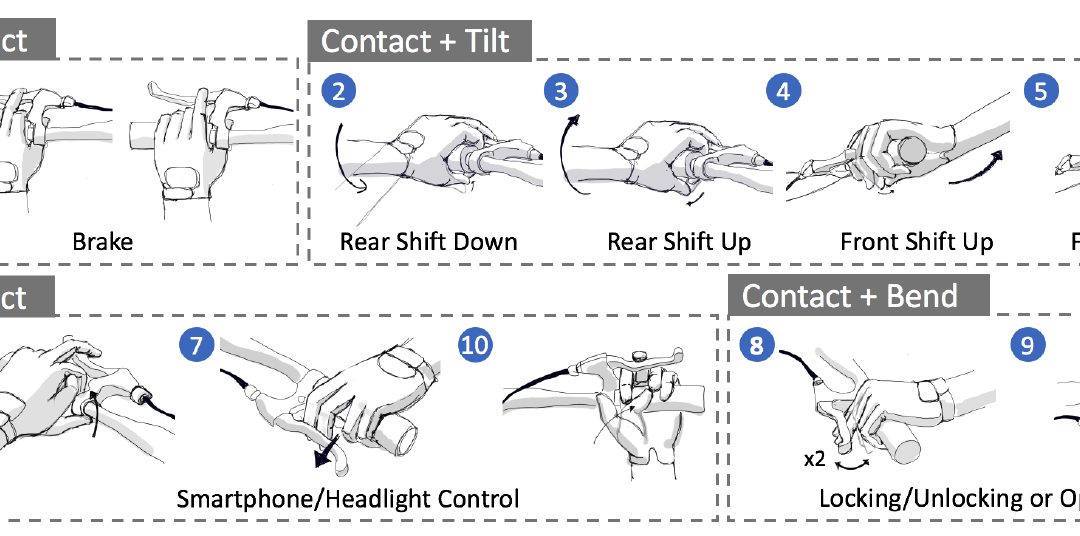
Abstract: The use of hand gestures has a potential as a promising input metaphor. Wearables like smart textile and data gloves can provide hand gesture recognition to potentially replace, augment or improve existing input methods. Although recent...
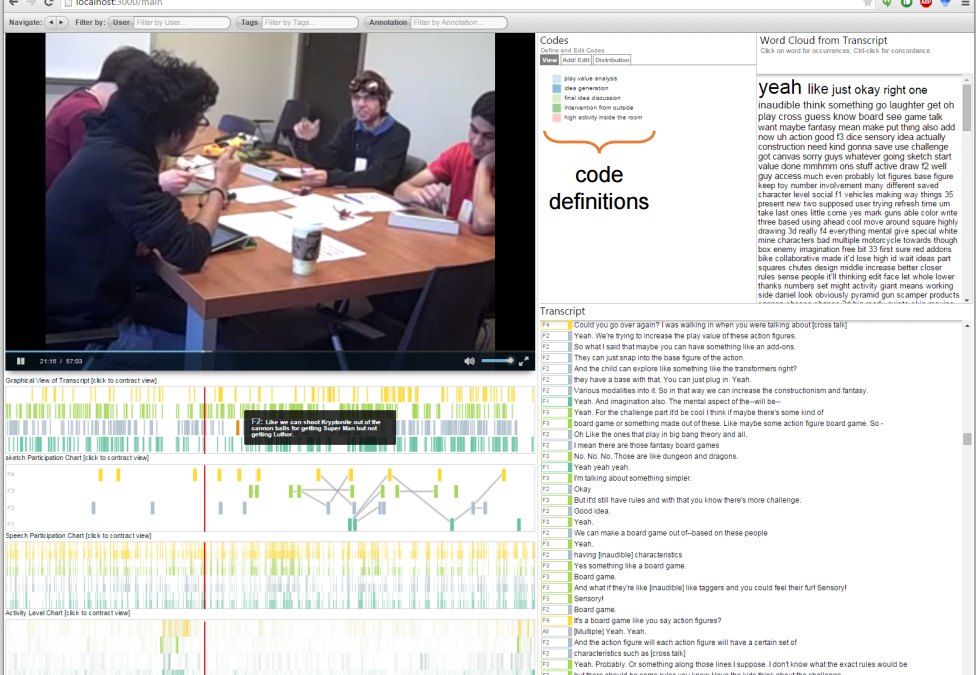
Design protocol analysis is a technique to understand designers’ cognitive processes by analyzing sequences of observations on their behavior. These observations typically use audio, video, and transcript data in order to gain insights into the...
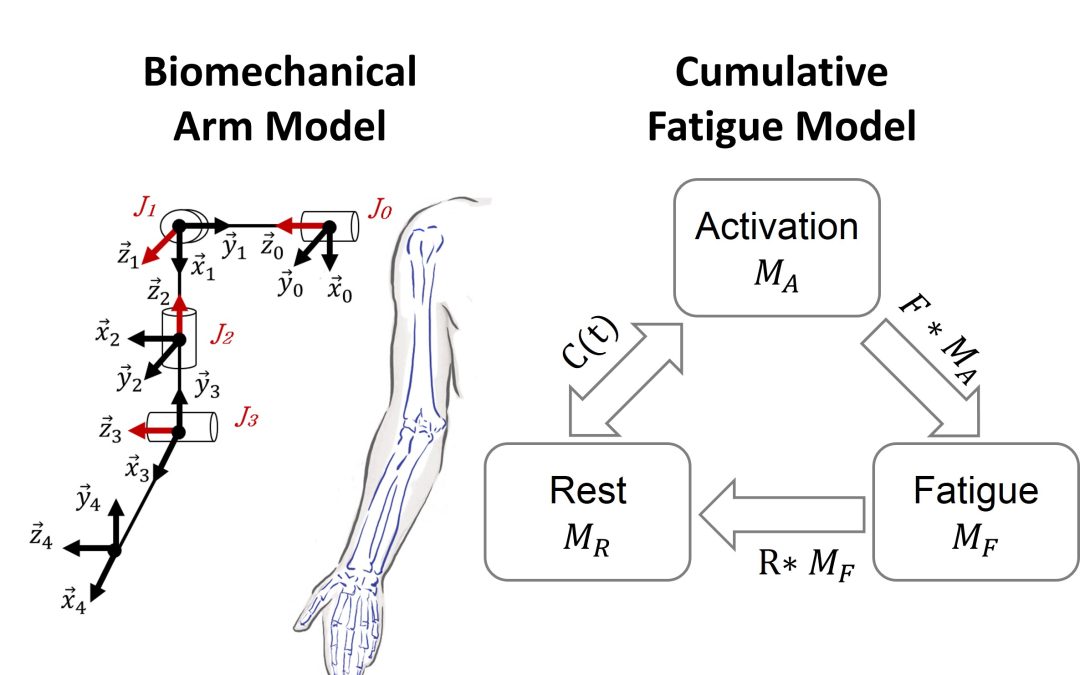
Quantifying cumulative arm muscle fatigue is a critical factor in understanding, evaluating, and optimizing user experience during prolonged mid-air interaction. A reasonably accurate estimation of fatigue requires an estimate of an individual's...
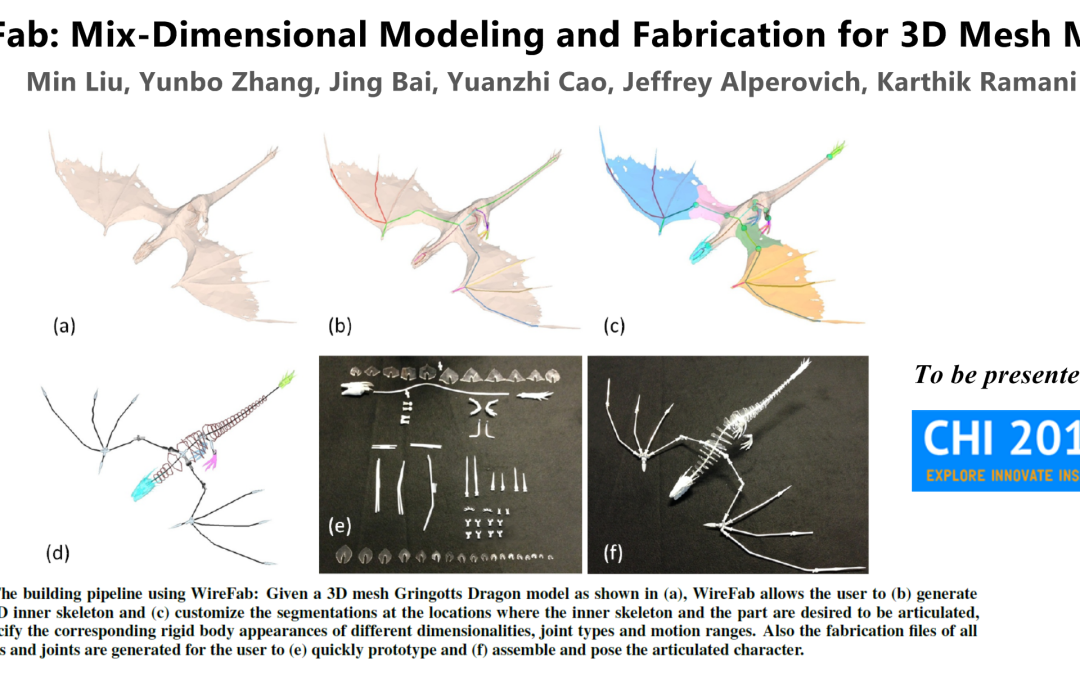
We propose WireFab, a rapid modeling and prototyping system that uses bent metal wires as the structure framework. WireFab approximates both the skeletal articulation and the skin appearance of the corresponding virtual skin meshes, and it allows...
We present, Window-Shaping, a tangible mixed-reality (MR) interaction metaphor for design ideation that allows for the direct creation of 3D shapes on and around physical objects. Using the sketch-and-inflate scheme, our metaphor enables quick...
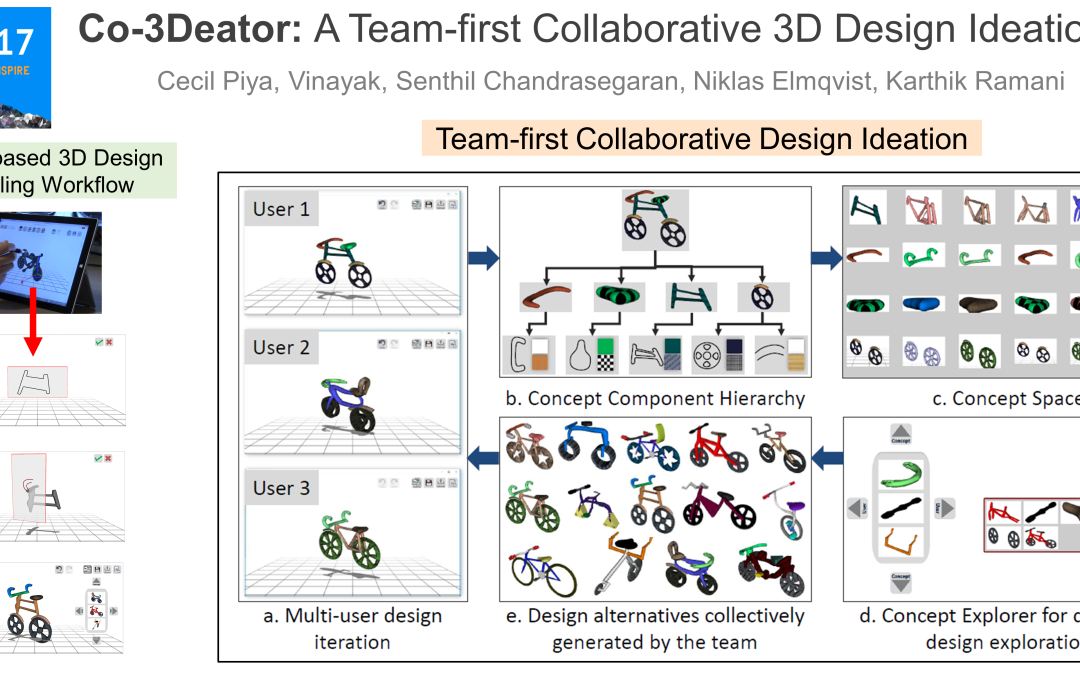
We present Co-3Deator, a sketch-based collaborative 3D modeling system based on the notion of "team-first" ideation tools, where the needs and processes of the entire design team come before that of an individual designer. Co-3Deator includes two...
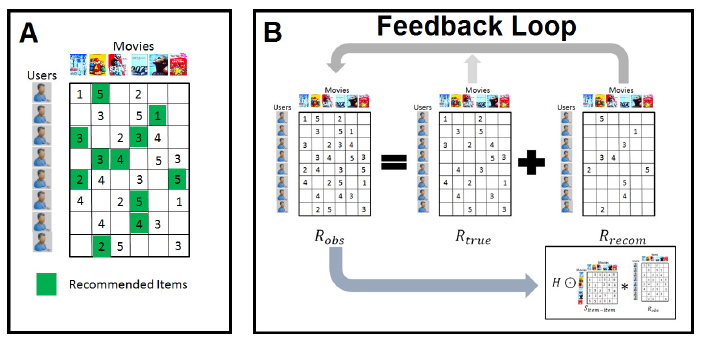
Collaborative filtering is a popular technique to infer users' preferences on new content based on the collective information of all users preferences. Recommender systems then use this information to make personalized suggestions to users. When...
We present, Window-Shaping, a mobile, markerless, mixed-reality (MR) interface for creative design ideation that allows for the direct creation of 3D shapes on and around physical objects. Using the sketch-and-inflate scheme, we present a design...
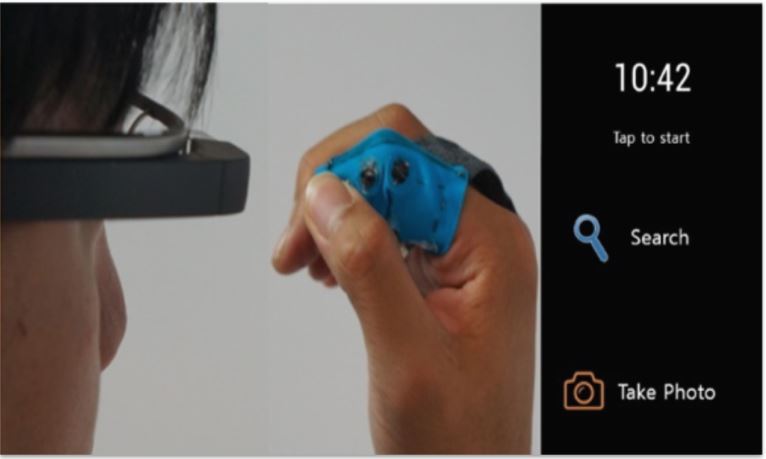
We present TRing, a finger-worn input device which provides instant and customizable interactions. TRing offers a novel method for making plain objects interactive using an embedded magnet and a finger-worn device. With a particle filter integrated...
In this study, we structured a toy design workshop to provide hands on and engaging design activities for middle school students, to help them develop self-efficacy beliefs in design, model and scaffold engineering design mindsets, and apply design...
Surfaces serve as a natural parametrization to 3D shapes. Learning surfaces using convolutional neural networks (CNNs) is a challenging task. Current paradigms to tackle this challenge are to either adapt the convolutional filters to operate on...
In this paper, we present the methodology and results from the evaluation of shapeSIFT: a multi-dimensional visualization tool for exploring part repositories in the context of eco-conscious design. The goals of this work are twofold, to create a...
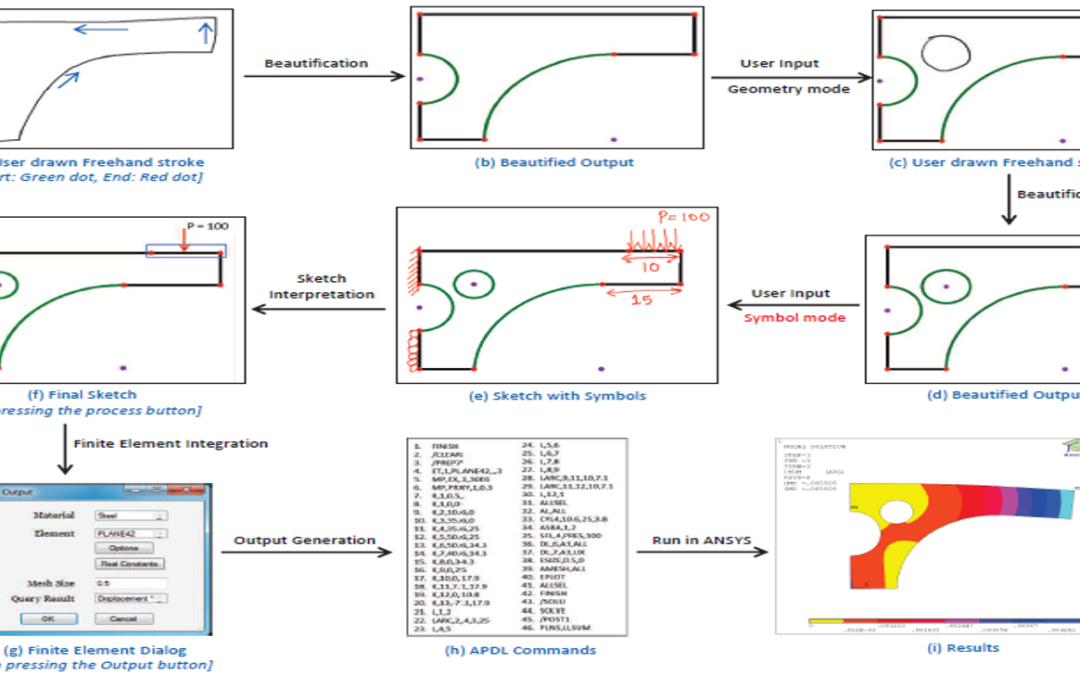
Freehand sketching is an integral part of early design process. Recent years have seen an increased interest in supporting sketching in computer-based design systems. In this paper, we present finite element analysis made easy (FEAsy), a...
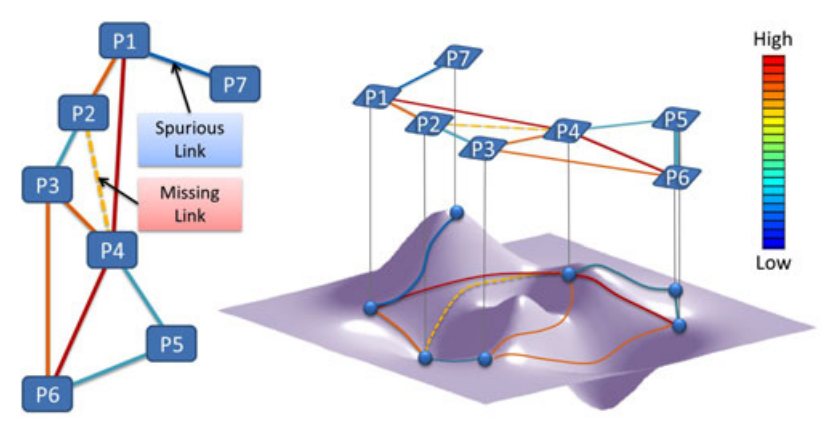
Recent developments in high-throughput technologies for measuring protein-protein interaction (PPI) have profoundly advanced our ability to systematically infer protein function and regulation. However, inherently high false positive and false...
We explore tangible 3D interactions that allow for geometric and perceptual correspondence between a midair modality and the 3D elements it controls. To demonstrate our approach, we use a concrete application scenario through Proto-TAI++, a...
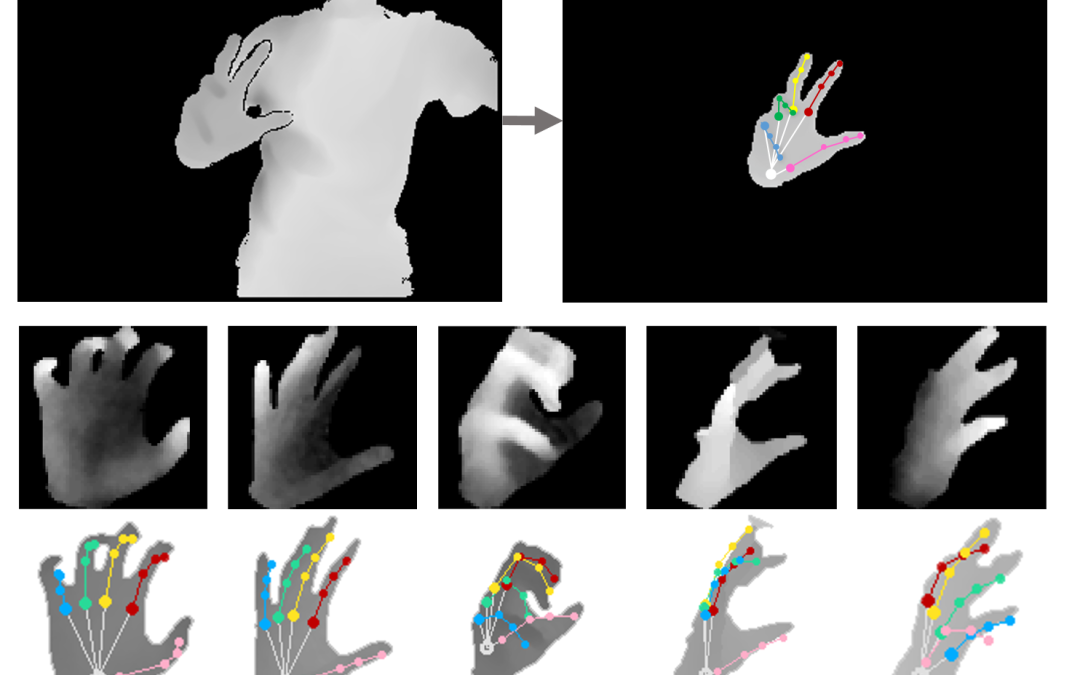
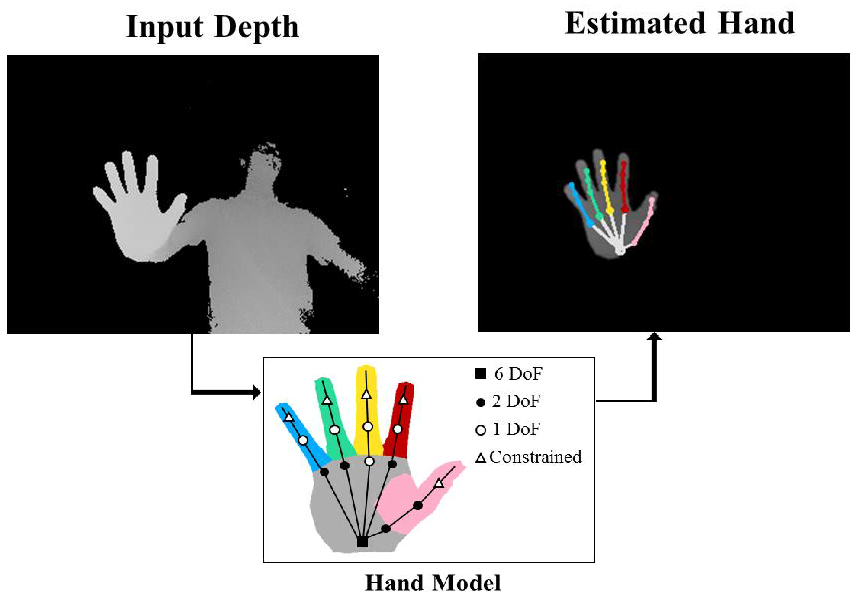
We propose DeepHand to estimate the 3D pose of a hand using depth data from commercial 3D sensors. We discriminatively train convolutional neural networks to output a low dimensional activation feature given a depth map. This activation feature...
Abstract: Additive manufacturing (AM) technologies have become integral to the modern manufacturing process. These roles are filled both in prototyping and production. Many studies have been conducted and lists been written on guidelines for AM....
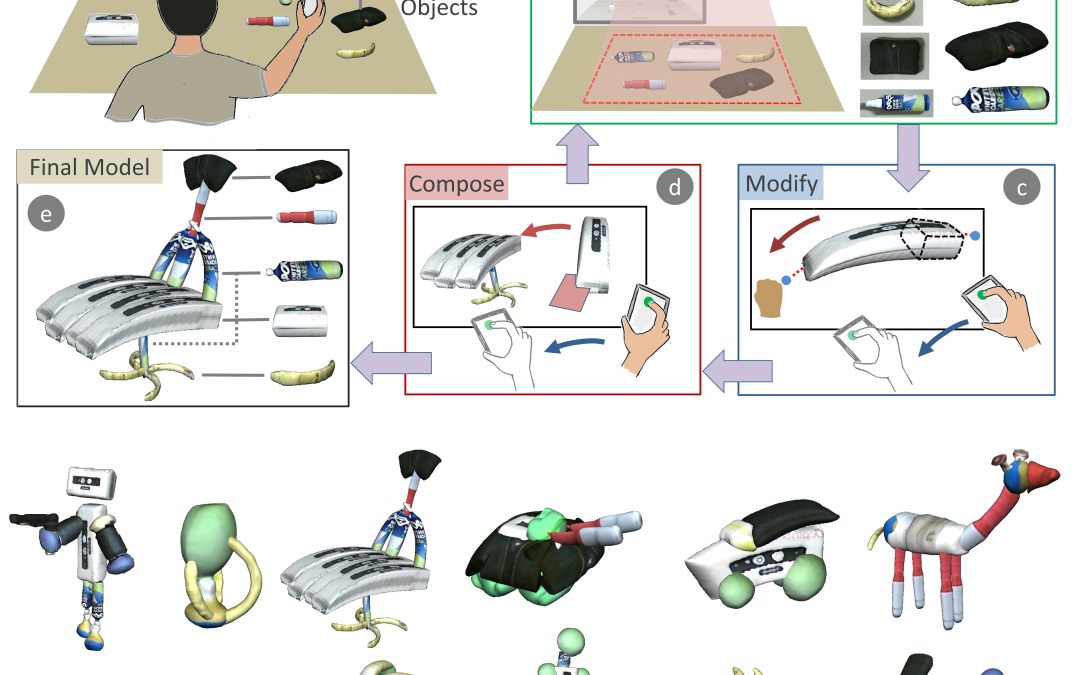
We present RealFusion, an interactive workflow that supports early stage design ideation in a digital 3D medium. RealFusion is inspired by the practice of found-object-art, wherein new representations are created by composing existing objects. The...
As pervasive computing is widely available during daily activities, wearable input devices which promote an eyes-free interaction are needed for easy access and safety. We propose a textile wearable device which enables a multimodal sensing input...
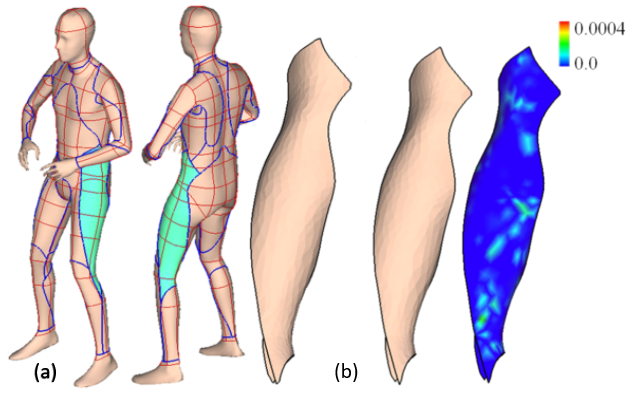
A flattenable mesh surface is a polygonal mesh surface that can be unfolded into a planar patch without stretching any polygon. This paper presents a new method for computing a slightly stretched flattenable mesh surface M from a piecewise-linear...
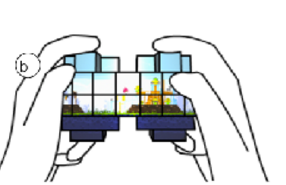
We introduce Cubimorph, a modular interactive device that accommodates touchscreens on each of the six module faces, and that uses a hinge-mounted turntable mechanism to self-reconfigure in the user's hand. Cubimorph contributes toward the vision...
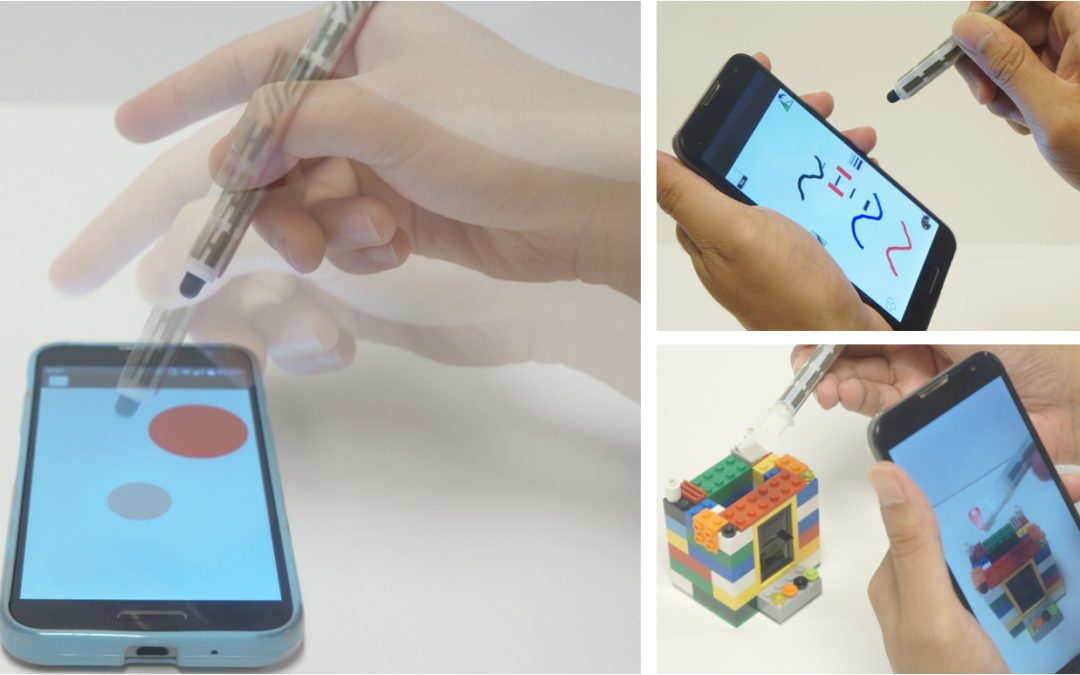
Abstract: We present TMotion, a self-contained 3D input that enables spatial interactions around mobile device using a magnetic sensing technique. We embed a permanent magnet and an inertial measurement unit (IMU) in a stylus. When the stylus moves...
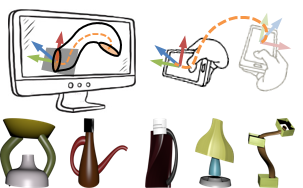
In this paper, we explore quick 3D shape composition during early-phase spatial design ideation. Our approach is to re-purpose a smartphone as a hand-held reference plane for creating, modifying, and manipulating 3D sweep surfaces. We implemented...
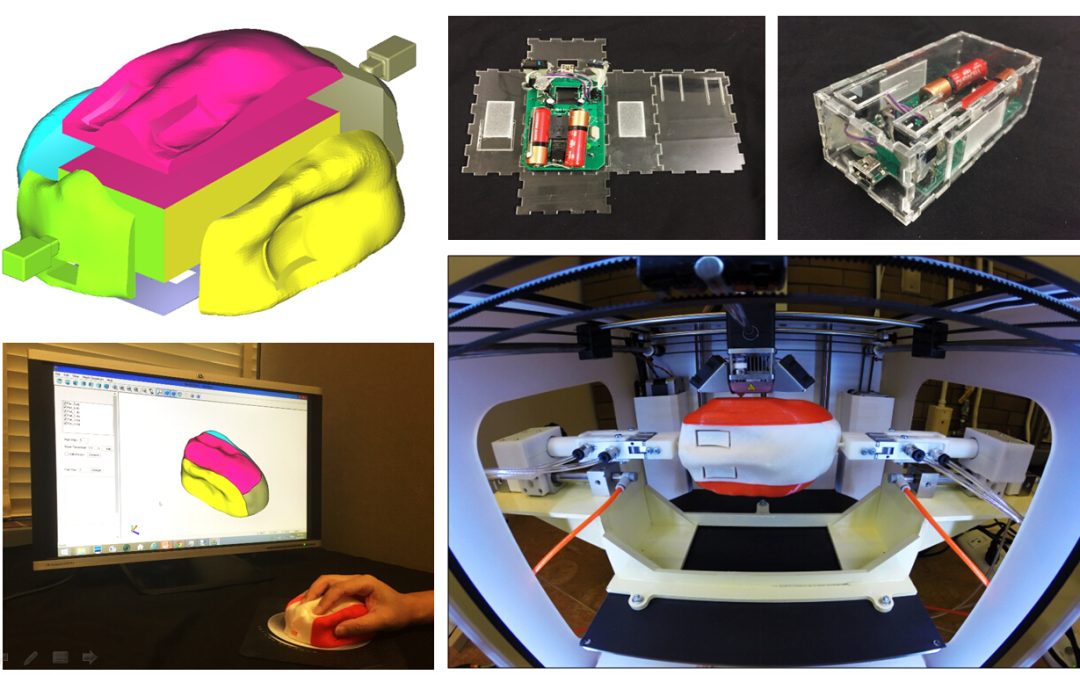
In recent years, 3D printing has gained significant attention from the maker community, academia, and industry to support low-cost and iterative prototyping of designs. Current unidirectional extrusion systems require printing sacrificial material...
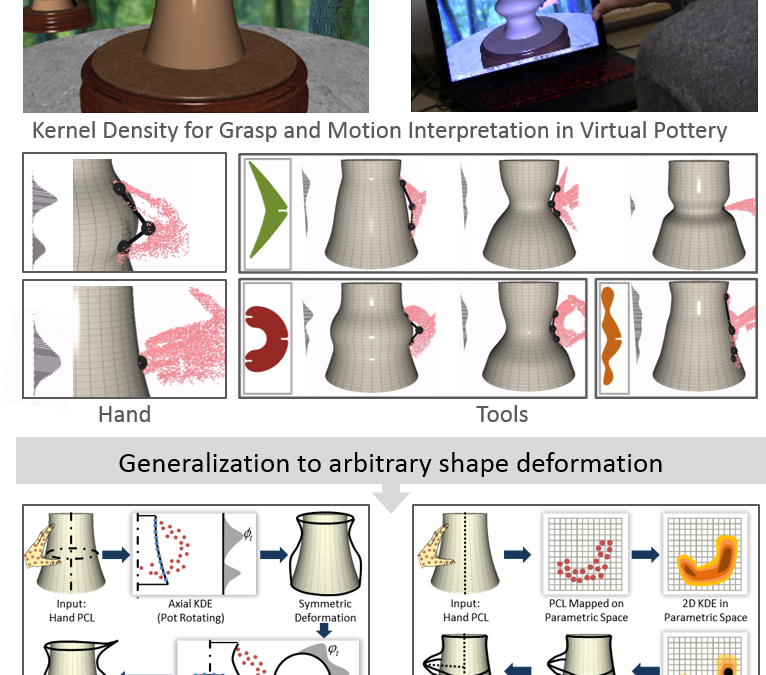
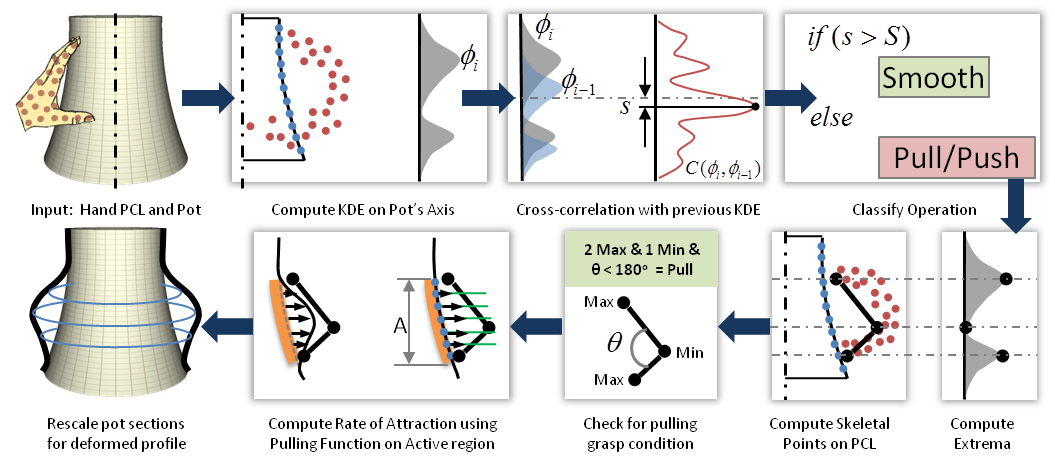
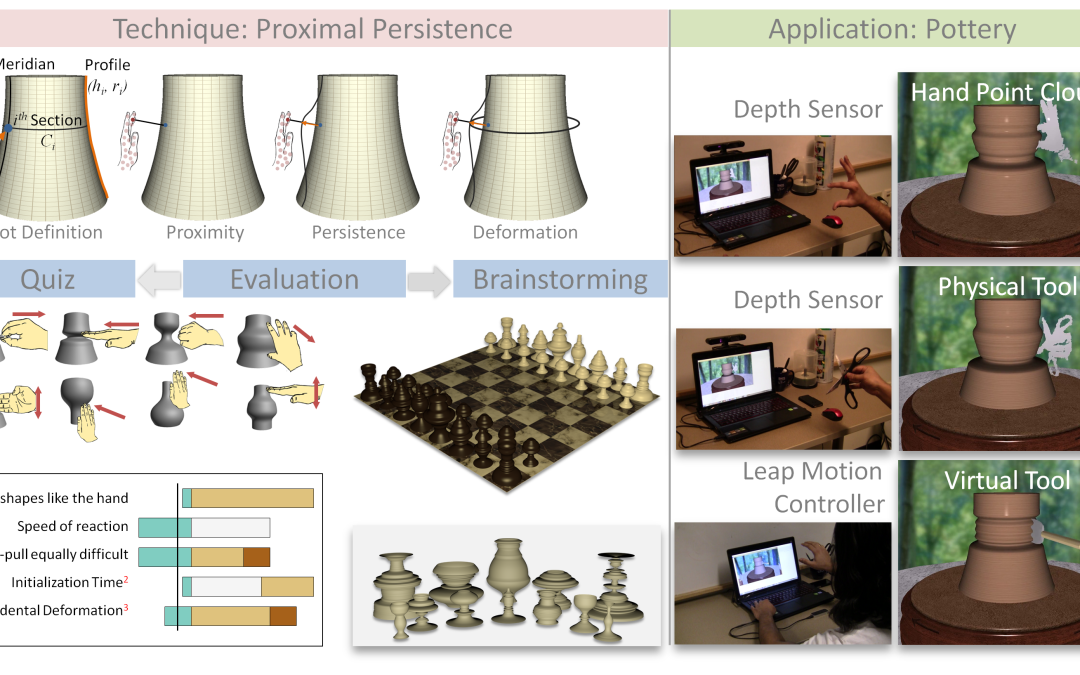
We describe the iterative design and evaluation of a geometric interaction technique for bare-hand mid-air virtual pottery. We model the shaping of a pot as a gradual and progressive convergence of the pot-profile to the shape of the user's hand...
Collaborative filtering aims to predict unknown user ratings in a recommender system by collectively assessing known user preferences. In this paper, we first draw analogies between collaborative filtering and the pose estimation problem....
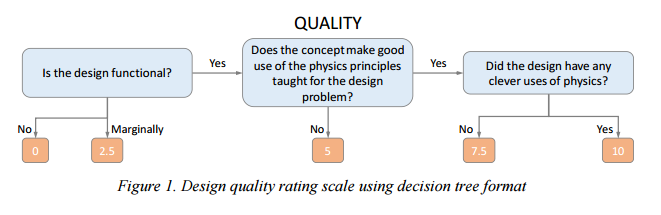
ABSTRACT In helping students learn engineering design, it is very important that they explore complex scenarios that are realistic, and fall outside the domain of standard and over-simplified textbook problems that typically have an answer. A...
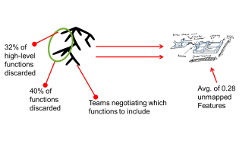
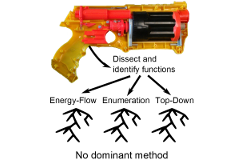
This paper explores functional decomposition in early design. In the first part of this study, we explore how the three most common methods (top-down, energy-flow, enumeration) affect concept generation for novice design teams (n=25). We found that...
The purpose of this study is to begin to explore which function identification methods work best for specific tasks. We use a three-level within-subject study (n ¼ 78) to compare three strategies for identifying functions: energy-flow, top-down,...
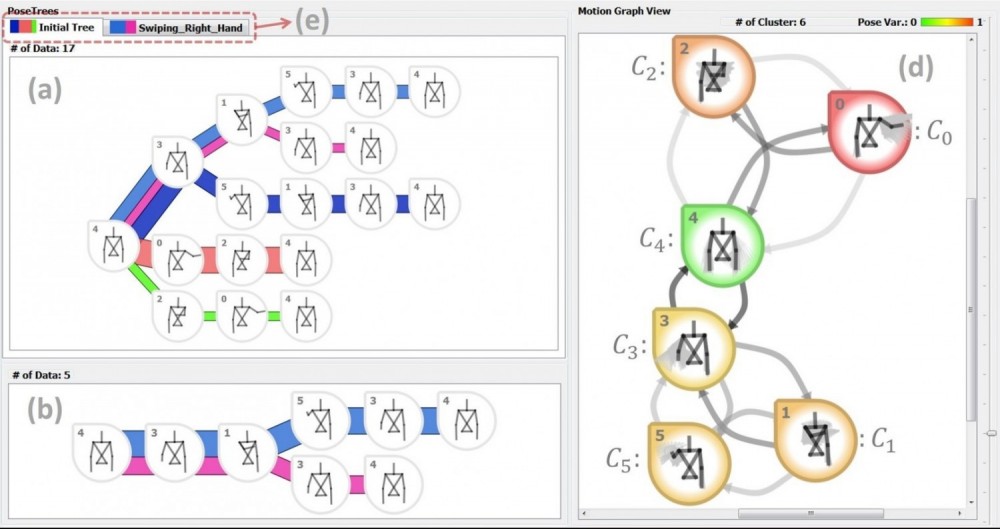
Pattern analysis of human motions, which is useful in many research areas, requires understanding and comparison of different styles of motion patterns. However, working with human motion tracking data to support such analysis poses great...
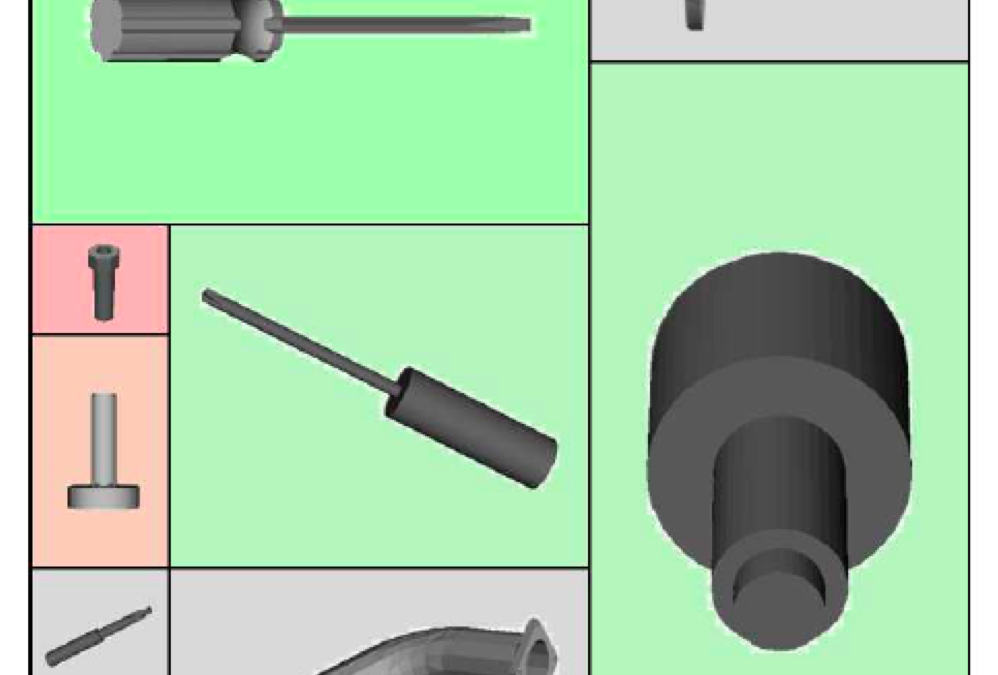
A large portion of design activity involves applying previous design knowledge in order to solve new problems. Therefore, facilitating eco-conscious exploration of archived designs is needed for advancing sustainable product design. It is thus...
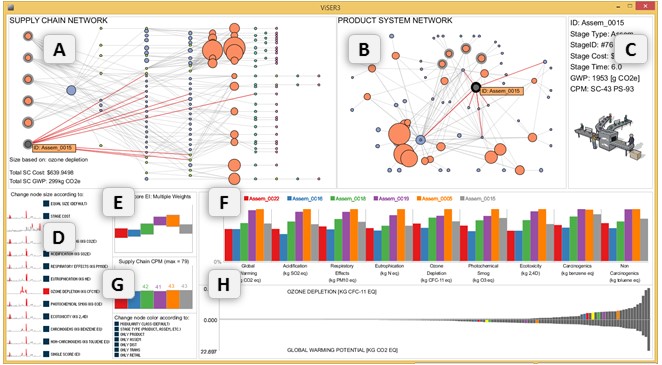
In this paper, we present a novel visualization framework for product and supply chain metadata in the context of redesign-related decision scenarios. Our framework is based on the idea of overlaying product-related metadata onto the interactive...
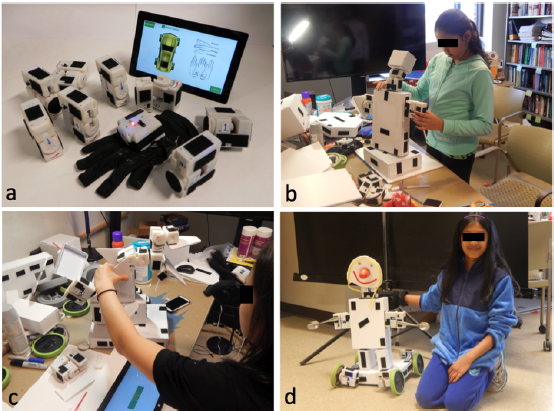
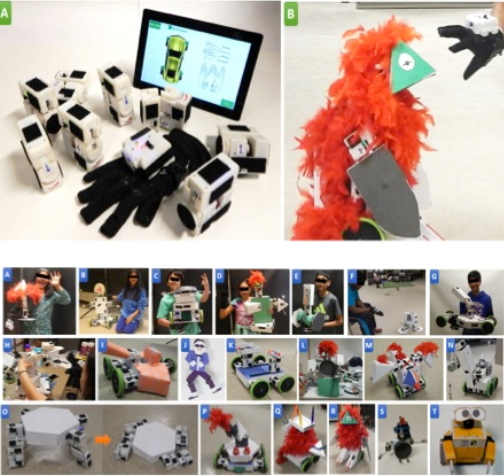
Building from our previous work we explore HandiMate, a robotics kit which enables users to construct and animate their toys using everyday craft materials [32]. The kit contains eight joint modules, a tablet interface and a glove controller....
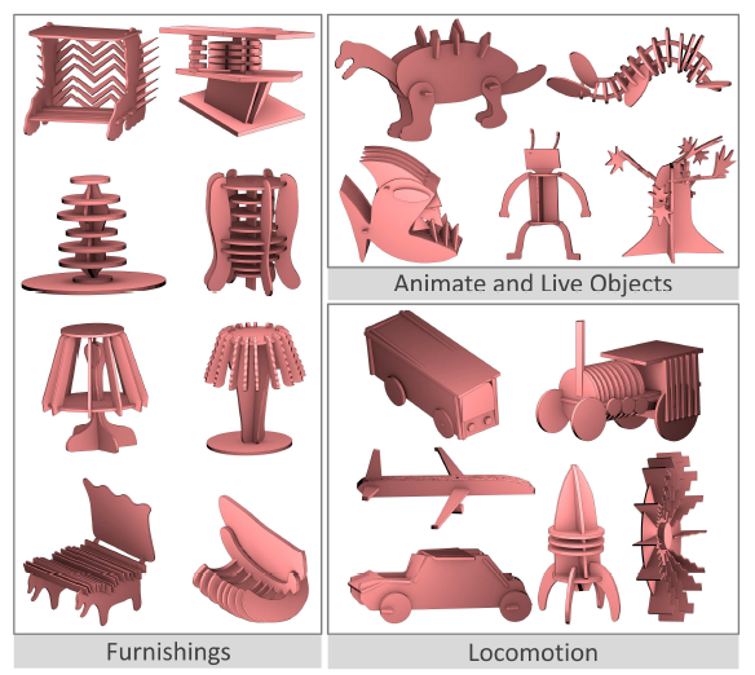
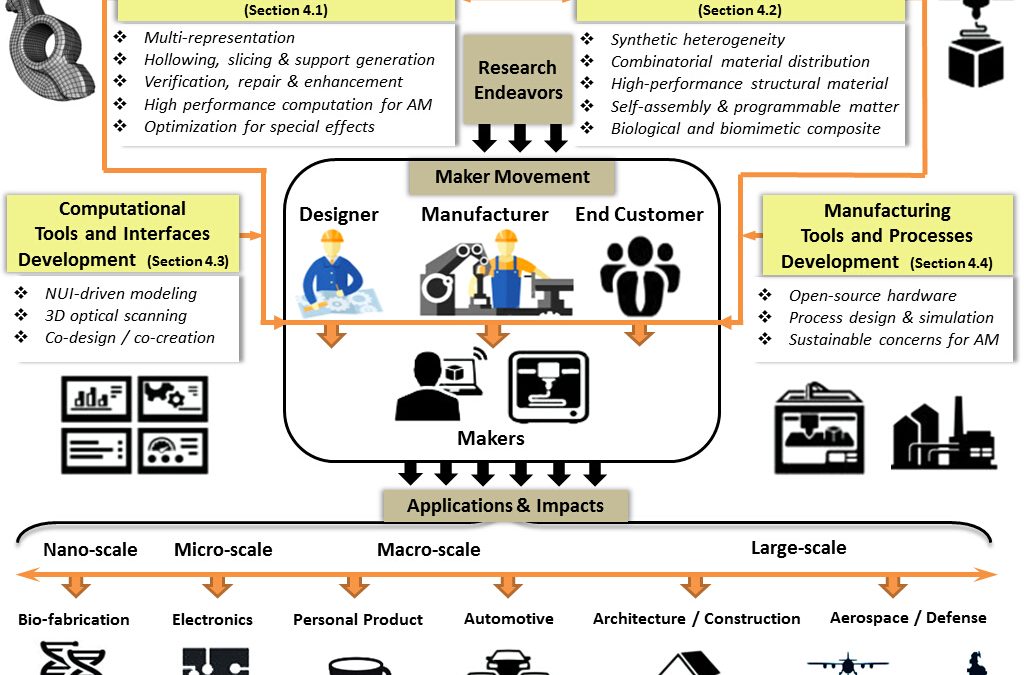
Additive manufacturing (AM) is poised to bring about a revolution in the way products are designed, manufactured, and distributed to end users. This technology has gained significant academic as well as industry interest due to its ability to...
We describe the design and evaluation of a geometric interaction technique for bare-hand mid-air virtual pottery. We model the shaping of a pot as a gradual and progressive convergence of the pot-profile to the shape of the user's hand represented...
Abstract: The advent of depth cameras has enabled mid-air interactions for shape modeling with bare hands. Typically, these interactions employ a finite set of pre-defined hand gestures to allow users to specify modeling operations in virtual...
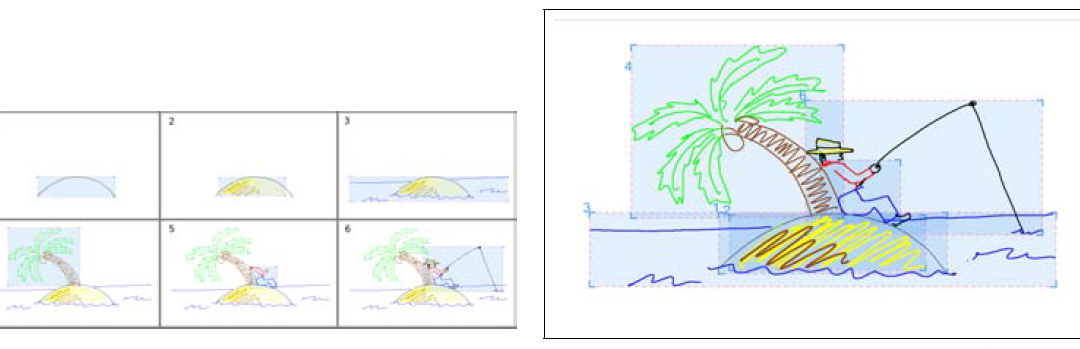
We present Sketcholution, a method for automatically creating visual histories of hand-drawn sketches. Such visual histories are useful for a designer to reflect on a sketch, communicate ideas to others, and fork from or revert to an earlier point...
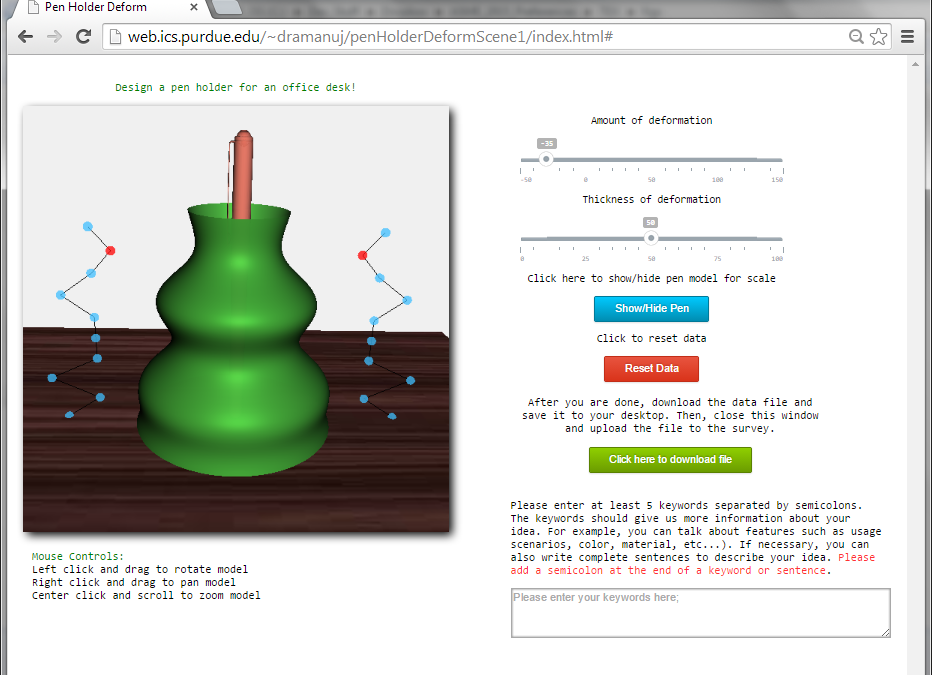
Customer inputs in the early stages of design can potentially lead to completely new outlooks in concept generation. We propose crowd-based co-creation as a means to this end. Our main idea is to think of the customer as a source of initial design...
The combination of technological progress and a growing interest in design has promoted the prevalence of DIY (Do It Yourself) and craft activities. In a similar spirit, we introduce HandiMate, a platform that makes it easier to fabricate and...