by Convergence Design Lab Admin | Apr 13, 2026 | 2026, Chenfei Zhu, Shao-Kang Hsia, Xinyi Wang, Xiyun Hu, Zhengzhe Zhu, Ziyi Liu
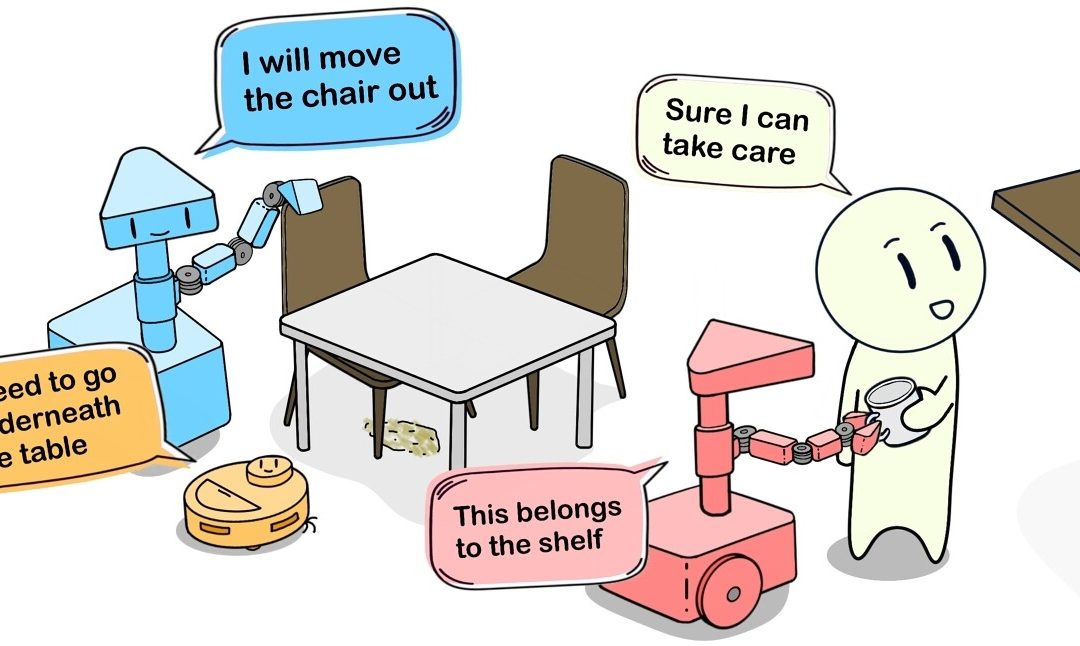
As domestic robots become prevalent, households will involve multiple robots with different capabilities, requiring people to coordinate and collaborate with several robots daily. This demands understanding key human–multi-robot interaction that shapes human...
by Xiyun Hu | Apr 13, 2026 | 2026, Chenfei Zhu, Dizhi Ma, Karthik Ramani, Rahul Jain, Shao-Kang Hsia, Xiyun Hu
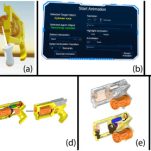
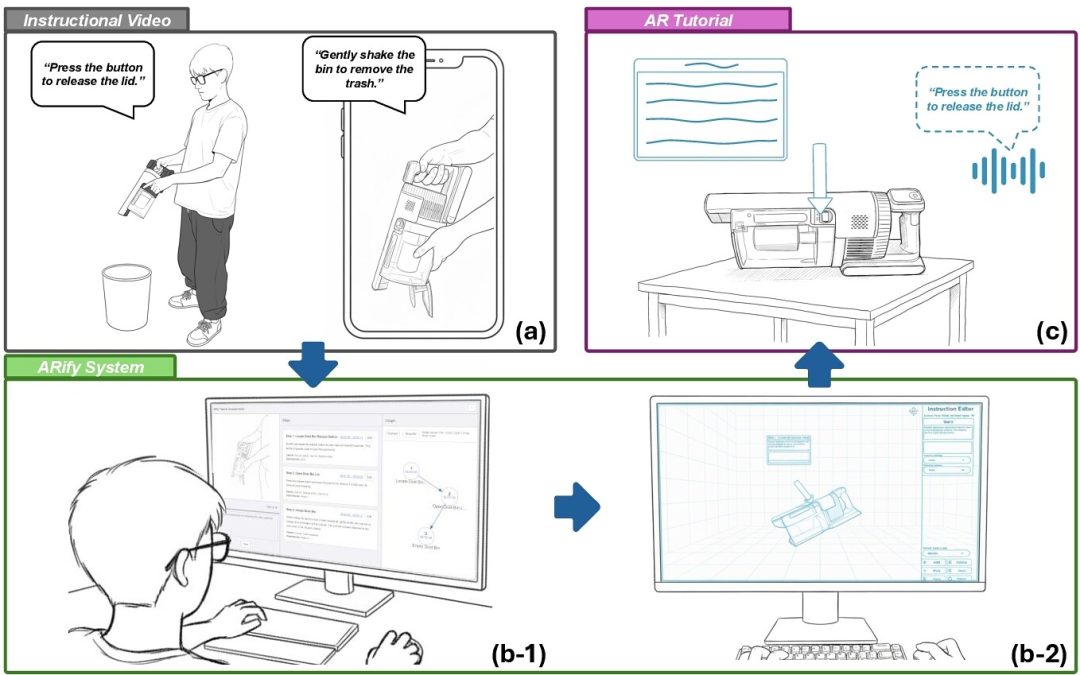
Augmented Reality (AR) tutorials enhance procedural task learning by providing situated, step-by-step guidance. Yet, creating such tutorials requires AR authoring expertise, posing a significant entry barrier. To lower this barrier, we introduce ARify, an authoring...
by Runlin Duan | Apr 13, 2026 | 2026, Chenfei Zhu, Dizhi Ma, Karthik Ramani, Runlin Duan, Xiyun Hu, Yuzhao Chen, Ziyi Liu
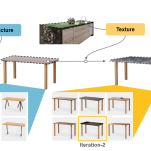
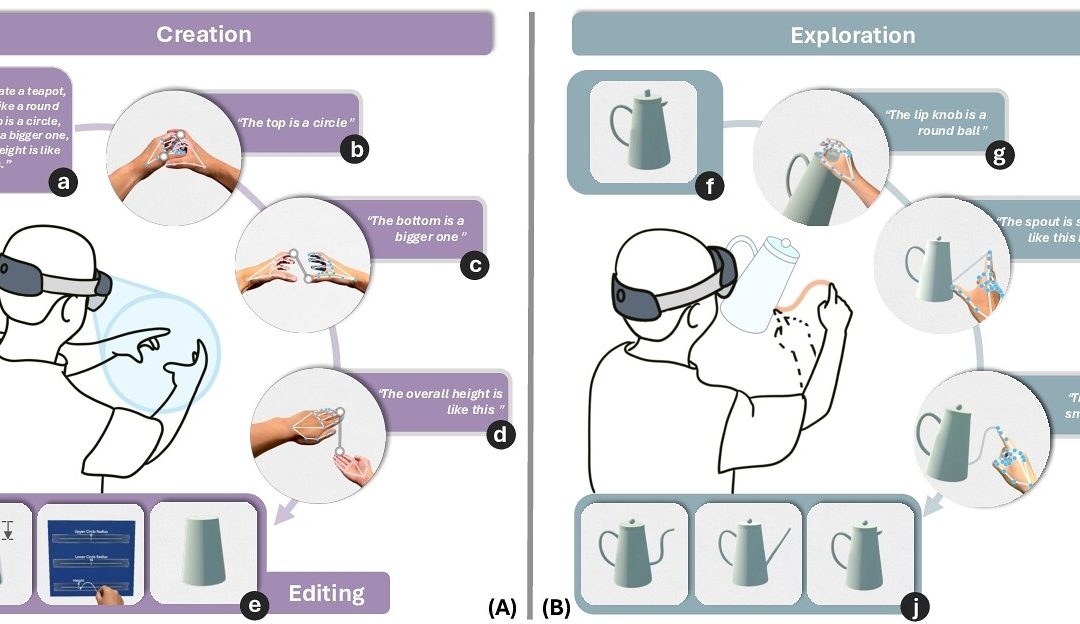
Parametric modeling is a prevailing 3D modeling approach in design, architecture, and engineering. The emergence of multimodal large language models (LLMs) brings a new opportunity to lower the entry barriers to this powerful tool. However, describing 3D geometries...
by Ziyi Liu | Apr 13, 2026 | 2026, Karthik Ramani, Runlin Duan, Xiyun Hu, Yuzhao Chen, Zhengzhe Zhu, Ziyi Liu
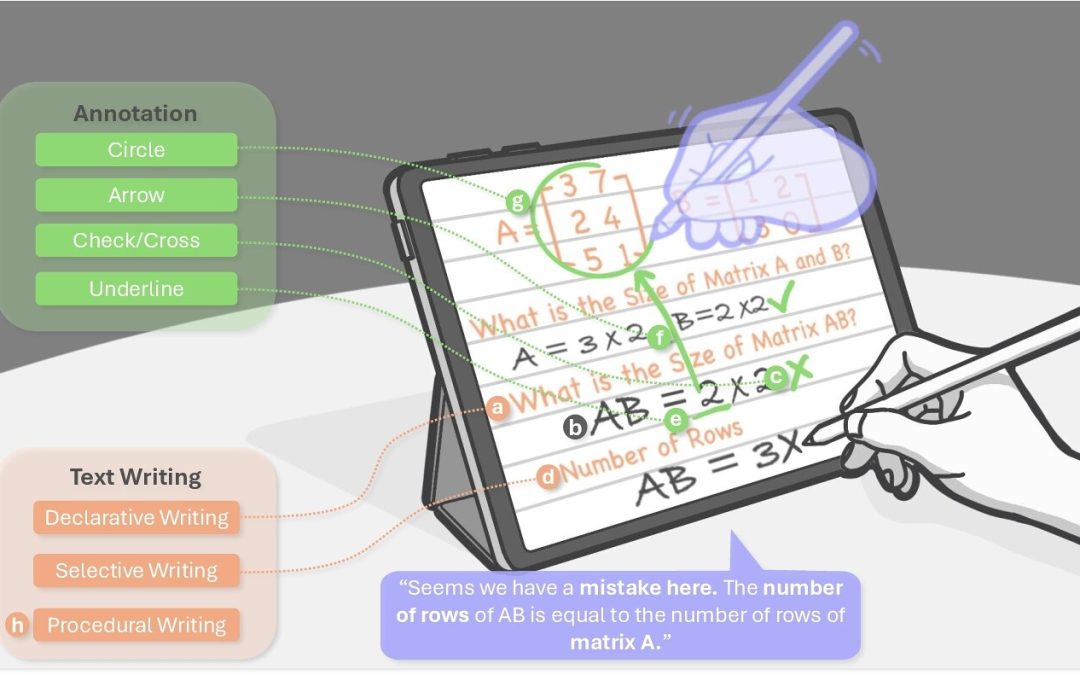
Real-time handwriting interactions between tutors and students —where tutors observe individual problem-solving processes, provide personalized annotations, and adapt explanations based on students’ work—are fundamental to effective STEM tutoring. However, scaling...
by Dizhi Ma | Apr 13, 2026 | 2026, Dizhi Ma, Karthik Ramani, Xiyun Hu
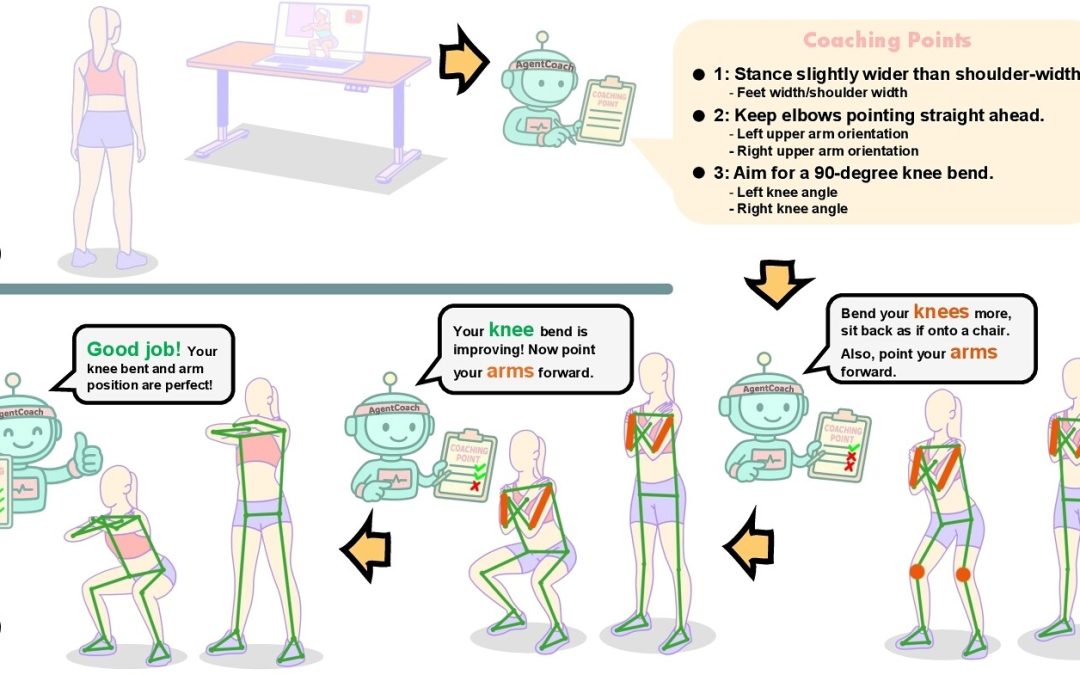
We present AgentCoach, an LLM-powered system that provides adaptive feedback for motor skill learning from tutorial videos. The system works by extracting key coaching points (CPs) and compiling CP-specific evaluators that map each cue to measurable kinematic...

by Chenfei Zhu | Sep 30, 2025 | 2025, Chenfei Zhu, Featured Publications, Jingyu Shi, Karthik Ramani, Recent Publications, Shao-Kang Hsia, Xiyun Hu, Ziyi Liu
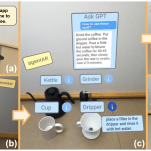
Creating Augmented Reality (AR) applications requires expertise in both design and implementation, posing significant barriers to entry for non-expert users. While existing methods reduce some of this burden, they often fall short in flexibility or usability for...