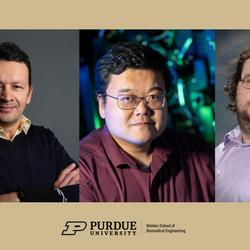
A Purdue team including Weldon School faculty has identified how visual regions of the brain synchronize and strengthen their connections during recognition - insights that may guide future approaches to Fragile X syndrome and autism research.
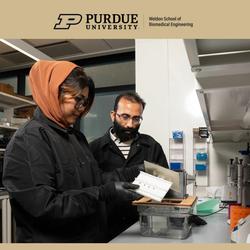
The new IsoHeat platform, developed by Purdue BME researchers and collaborators, offers a safer, more efficient way to perform molecular tests outside the lab.
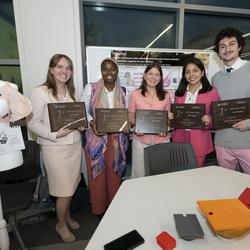
Senior Design represents the pinnacle of our biomedical engineering (BME) undergraduate curriculum. In this semester-long course, students collaborate in teams to design, prototype and validate innovative solutions addressing unmet clinical and societal needs.
“There is nothing more gratifying than observing first-hand the growth and accomplishments of our student teams,” shared Jacqueline Linnes, Marta A. Gross Professor of Biomedical Engineering.
Purdue BME researchers continue to push the boundaries of engineering and medicine. New December patents highlight breakthroughs in cardiac imaging and single-molecule analysis that bring smarter solutions to healthcare.
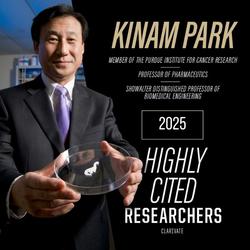
Kinam Park, Showalter Distinguished Professor in the Weldon School of Biomedical Engineering, has been recognized in the Pharmacology and Toxicology category for ten consecutive years, beginning in 2016.
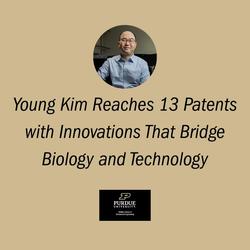
With 13 patents issued across two countries and more on the way, Young Kim is driving innovation at the intersection of biology, materials science and information security.
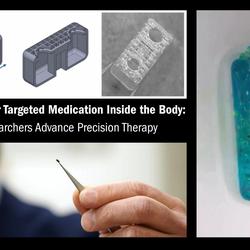
Purdue researchers have demonstrated 3D-printed microrobots that can navigate inside the body and deliver medication exactly where it's needed. This breakthrough in targeted drug delivery could transform treatments for conditions like inflammatory bowel disease and beyond.
Weldon School faculty Elsje Pienaar and David Umulis contributed computational modeling expertise to reveal how calcium signaling waves help plants communicate during pathogen attacks. Their work through EMBRIO demonstrates how biomedical engineering tools advance understanding of complex biological defense systems.