
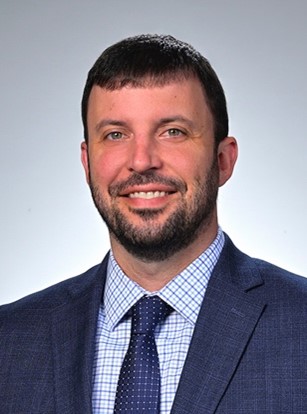
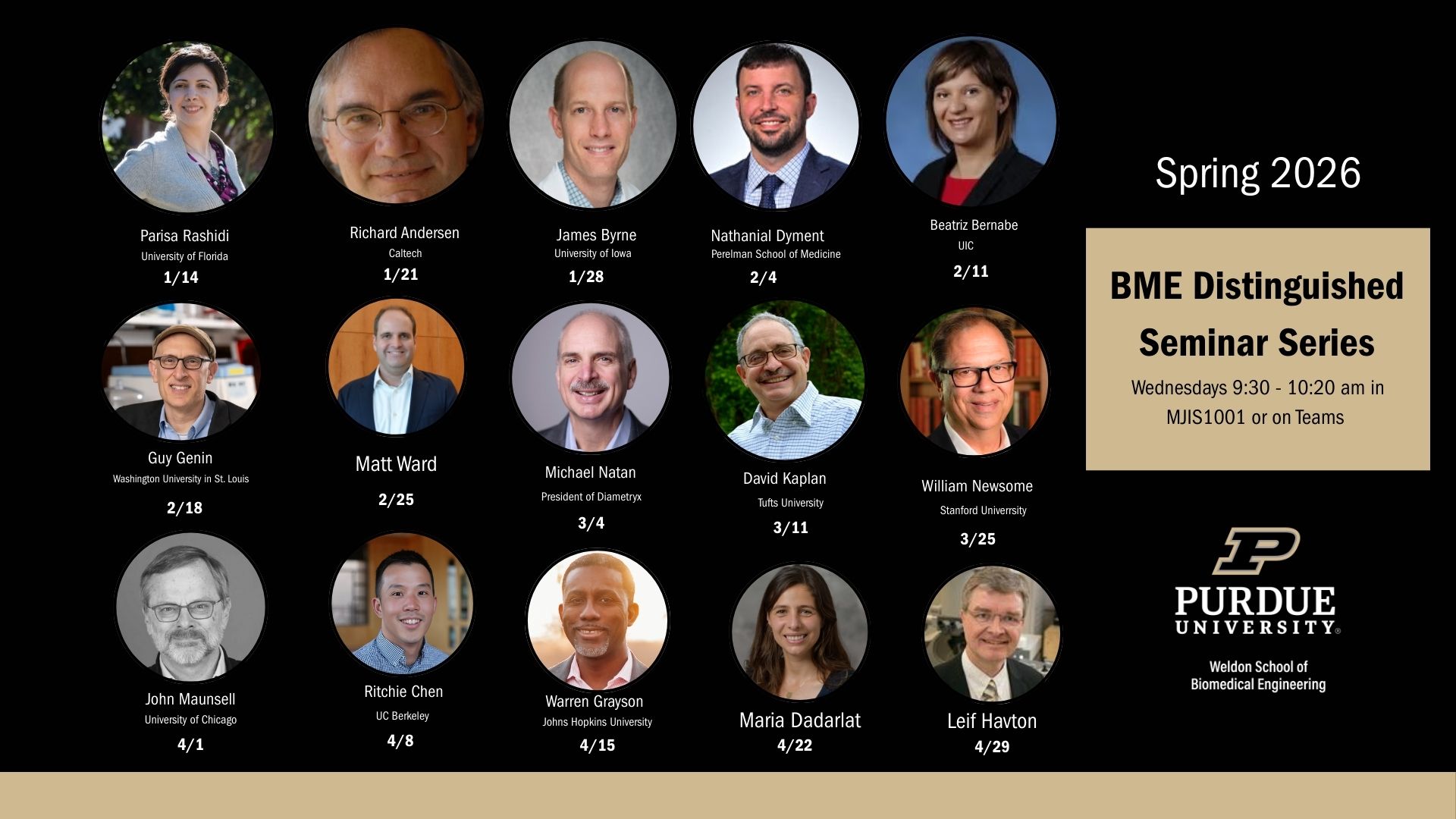
How biophysical cues shape dense connective tissues with Nat Dyment of the University of Pennsylvania
Abstract:
I will share three stories from my lab that illustrate how biophysical cues influence the formation of dense connective tissues. The first story describes how external mechanical cues regulate the development of these tissues. The second story focuses on how physical signals generated by cells dictate the growth and development of tendons. Finally, the third story highlights the importance of cytoskeletal tension in maintaining tensional homeostasis in tendon fibroblasts.
Biography:
I obtained my undergraduate degree in Materials Science and Engineering with a specialization in Biomaterials from the University of Illinois at Urbana-Champaign in 2005. I completed my PhD in the Functional Tissue Engineering laboratory under the direction of Dr. David Butler at the University of Cincinnati in 2011. After postdoctoral training in musculoskeletal biology with Dr. David Rowe at UConn Health, I moved to the University of Pennsylvania in 2017 where I developed an independent research program in the McKay Orthopaedic Research Laboratory. My lab’s primary research goals are directed towards understanding the genetic, cellular, and mechanical mechanisms that regulate normal development, disease, and repair of joint tissues. I am particularly interested in identifying markers that define resident progenitors vs. mature cell types and the environmental cues (molecular and mechanical) that regulate their differentiation. I was awarded a K99/R00 grant in 2015 to define the tendon cell lineage and pathways that regulate tenogenesis, which led to our current work investigating the role of hedgehog signaling in tendon-to-bone repair and developing novel drug delivery systems targeting this pathway to improve repair outcomes. My lab also examines how mechanical forces impact the formation and maintenance of dense connective tissues, which has resulted in the formation of the Penn Achilles Tendinopathy Center of Research Translation (PAT-CORT). In 2024, I was awarded the Kappa Delta Young Investigator Award from the AAOS for this work. Ultimately, the long-term goals of my lab are directed towards translating these mechanistic studies to novel therapeutic strategies.
Students registered for the seminar are expected to attend in person.
Zoom: https://purdue-edu.zoom.us/j/92368674724 Meeting ID 923 6867 4724
MARK YOUR CALENDARS
2026-02-04 09:30:00 2026-02-04 10:20:00 America/Indiana/Indianapolis How biophysical cues shape dense connective tissues with Nat Dyment of the University of Pennsylvania MJIS 1001 and via zoom