
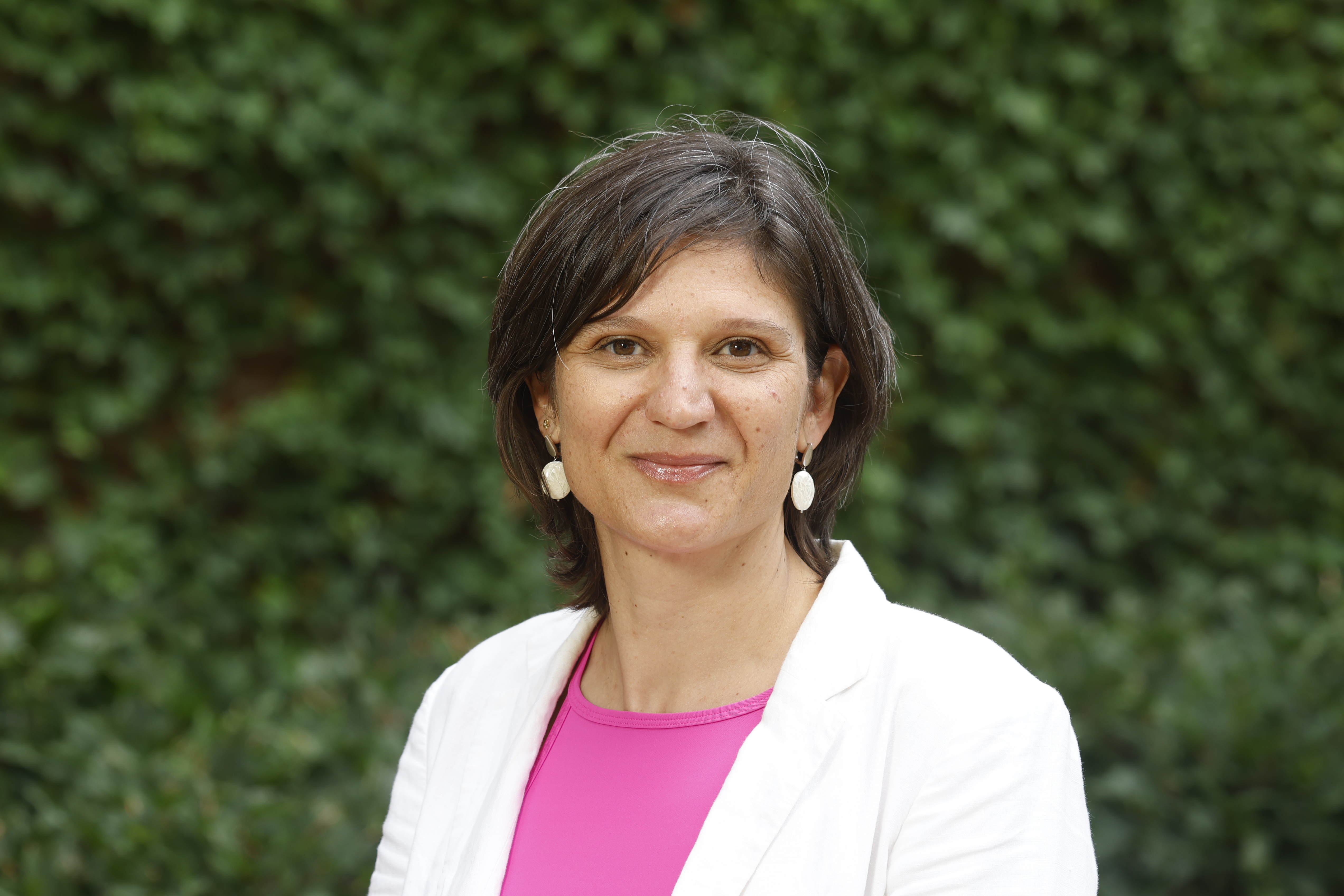
From Microbiome to Brain: A Systems Biology Study of Perinatal Depression with Beatriz Penalver Bernabe, Assistant Professor in the Richard and Loan Hill Department of Biomedical Engineering at the University of Illinois Chicago
Abstract
Perinatal depression affects over 20% of pregnancies and is associated with adverse outcomes for both mother and child. Despite its prevalence, the biological mechanisms underlying perinatal depression remain poorly understood. The gut microbiota, through the microbiota-gut-brain axis, produces neuroactive metabolites and communicates bidirectionally with the brain, yet its dynamics during pregnancy remain largely unexplored.
Using a whole-body systems biology approach, we longitudinally followed women from early pregnancy to delivery, integrating multi-omics, neuroimaging, and clinical assessments. Analyses revealed that elevated depressive symptoms were linked to reduced microbial diversity, specific microbial taxa, altered metabolic pathways, and brain signatures predictive of symptom severity. Personalized microbial networks highlighted competitive shifts between pathobiont- and fermenter-enriched communities associated with depression. We further validated our findings using fecal microbiota transplants into female germ-free mice using samples from pregnant women with depression, supporting a causal role of the maternal microbiome in mood.
These results reveal that perinatal depression involves dynamic, multi-system changes encompassing the gut microbiome, host metabolism, and brain function. Our work underscores the potential for microbiome-informed strategies to predict, prevent, and treat perinatal depression.
Bio
Dr. Beatriz Peñalver Bernabé is an Assistant Professor in the Richard and Loan Hill Department of Biomedical Engineering at the University of Illinois Chicago and a core member of the Center for Bioinformatics and Quantitative Biology. Her research aims to build a systems-level understanding of reproductive health, enabling precision diagnostics and personalized interventions for women. She earned her Ph.D. in Chemical and Biological Engineering from Northwestern University and completed postdoctoral training in human microbiome research at the University of Chicago and at the University of California San Diego as an Arnold O. Beckman Postdoctoral Fellow.
In her lab, Dr. Peñalver Bernabé develops computational, network-based approaches to unravel the complex biological processes behind fertility, pregnancy, and ovarian aging. A current central focus is the microbiota–gut–brain axis in perinatal depression, a common yet underdiagnosed condition. Through her NIH-funded clinical study, MoMent, her team integrates longitudinal multi-omics, neuroimaging, and electronic health record data to uncover how maternal neuroendocrine function, the gut microbiome, and mood are interconnected. Alongside this, her lab explores the metabolic mechanisms driving ovarian aging. Through this work, Dr. Peñalver Bernabé aims to transform women’s health by translating complex biological insights into actionable, personalized interventions.
Students registered for the seminar are expected to attend in person.
Teams ID and Passcode:
Meeting ID: 211 123 896 292 8
Passcode: Uh9qs2pf
SAVE THE DATE:

2026-02-11 09:30:00 2026-02-11 10:20:00 America/Indiana/Indianapolis From Microbiome to Brain: A Systems Biology Study of Perinatal Depression with Beatriz Penalver Bernabe, Assistant Professor in the Richard and Loan Hill Department of Biomedical Engineering at the University of Illinois Chicago MJIS 1001 and via Teams