
Digital Medicine for Rare Diseases and Underserved Populations with Mathew Ward, PhD, Assistant Professor of Biomedical Engineering at Purdue University
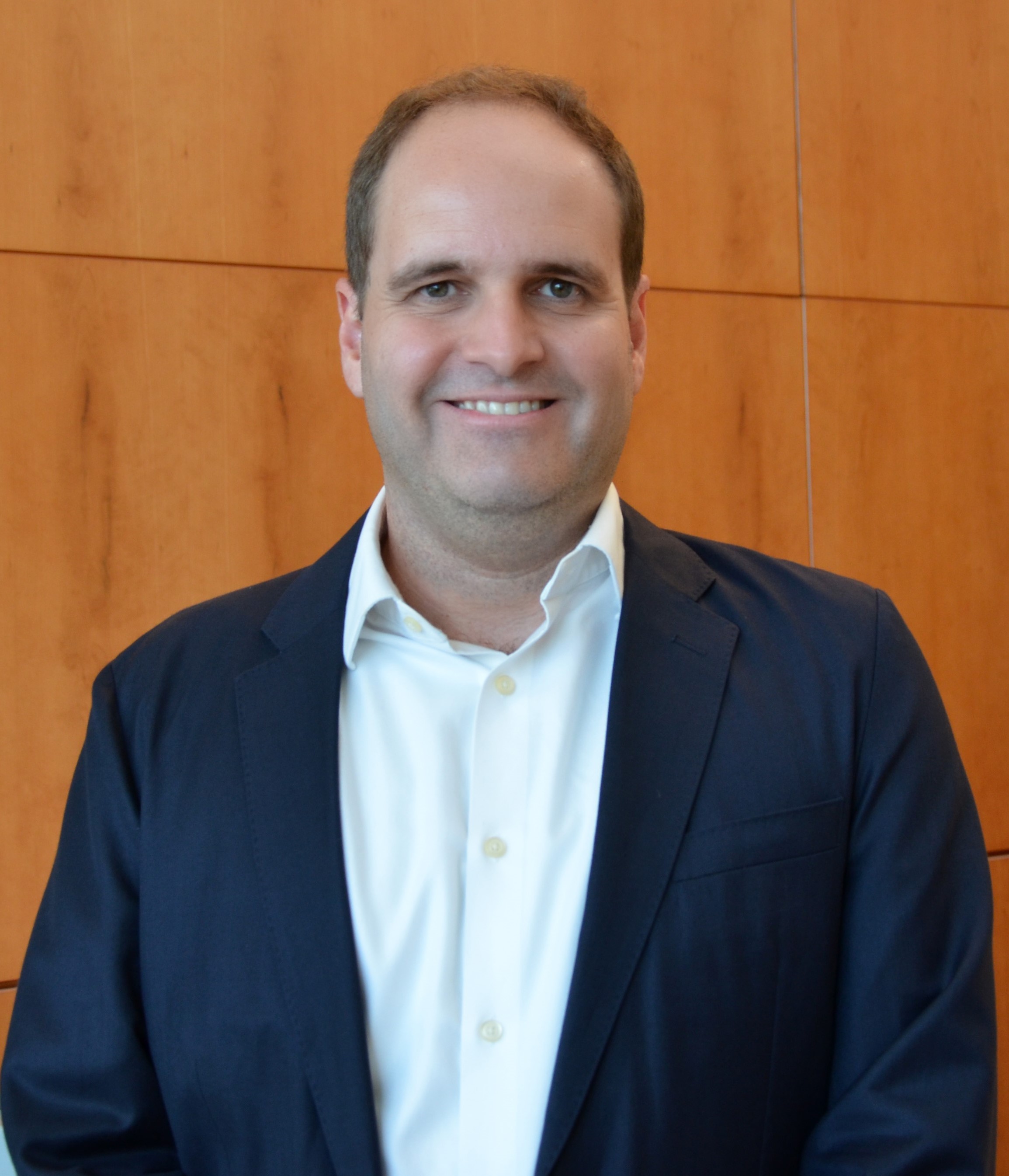
Abstract:
Vagus nerve stimulation (VNS) holds promise for treating disorders spanning epilepsy, depression, inflammatory disease, and gastrointestinal dysmotility. However, most current systems operate without continuous measurement of the physiological states they aim to regulate. As a result, stimulation parameters are tuned heuristically, response is delayed, and therapeutic efficacy remains variable.
Our lab approaches this problem from a digital health perspective. We develop multimodal wearable and implantable sensing platforms that generate high-resolution digital biomarkers of autonomic physiology—including cardiac rhythm dynamics, respiratory coupling, vascular tone, thermoregulation, and organ-specific signatures. These biomarkers enable continuous state estimation, serving as feedback for closed-loop, adaptive neuromodulation.
By integrating wearable-derived digital biomarkers with computational models of vagus nerve fiber recruitment and adaptive control algorithms, we are engineering closed-loop bioelectronic systems that learn from patient physiology and treatment history. I will present translational work demonstrating digital biomarker development pipelines for underserved populations and how DHT-derived signals paired with contextual information can be used to transform VNS from open-loop stimulation into a personalized, data-driven platform for precision autonomic regulation.
Biography
Matthew P. Ward received his B.Sc. degree in Biomedical Engineering and Ph.D. degree in Neural Engineering from Purdue University (West Lafayette, IN). He is a bilingual, first-generation immigrant from South Africa, the first engineer in his immediate/extended family, and the first to receive his PhD. Dr. Ward joined the Purdue University Faculty as Assistant Professor of Biomedical Engineering in 2022 and has an adjunct appointment as Assistant Professor of Clinical Medicine in the Division of Gastroenterology and Hepatology at the Indiana University School of Medicine.
Dr. Ward has spent the last decade developing tools and digital technologies that use real-time physiologic feedback and learning algorithms to derive the mechanism(s)-of-action of vagus nerve stimulation (VNS) and other forms of neuromodulation for numerous medical applications, including epilepsy, depression, and gastroparesis. Dr. Ward’s BioCom Lab currently employs six graduate students and seven undergraduate students.
Ward’s leadership in npj Digital Medicine (2023), Communications Biology (2024), and Communications Medicine (2025) extends neural-interface principles to population health. His team and collaborators developed individualized digital biomarkers that capture inflammation and autonomic imbalance using consumer-grade wearables. These biomarkers have or are now being validated with Moderna, the Gates Foundation, and the Ehlers-Danlos Society, connecting Purdue-engineered physiology analytics to global precision-health initiatives.
Students registered for the seminar are expected to attend in person.
Teams ID and Passcode:
Meeting ID: 211 123 896 292 8
Passcode: Uh9qs2pf
2026-02-25 09:30:00 2026-02-25 10:20:00 America/Indiana/Indianapolis Digital Medicine for Rare Diseases and Underserved Populations with Mathew Ward, PhD, Assistant Professor of Biomedical Engineering at Purdue University MJIS 1001 and via Teams