
“Engineering Regenerative Niches for Brain Repair After Stroke," with Tatiana Segura, Duke University
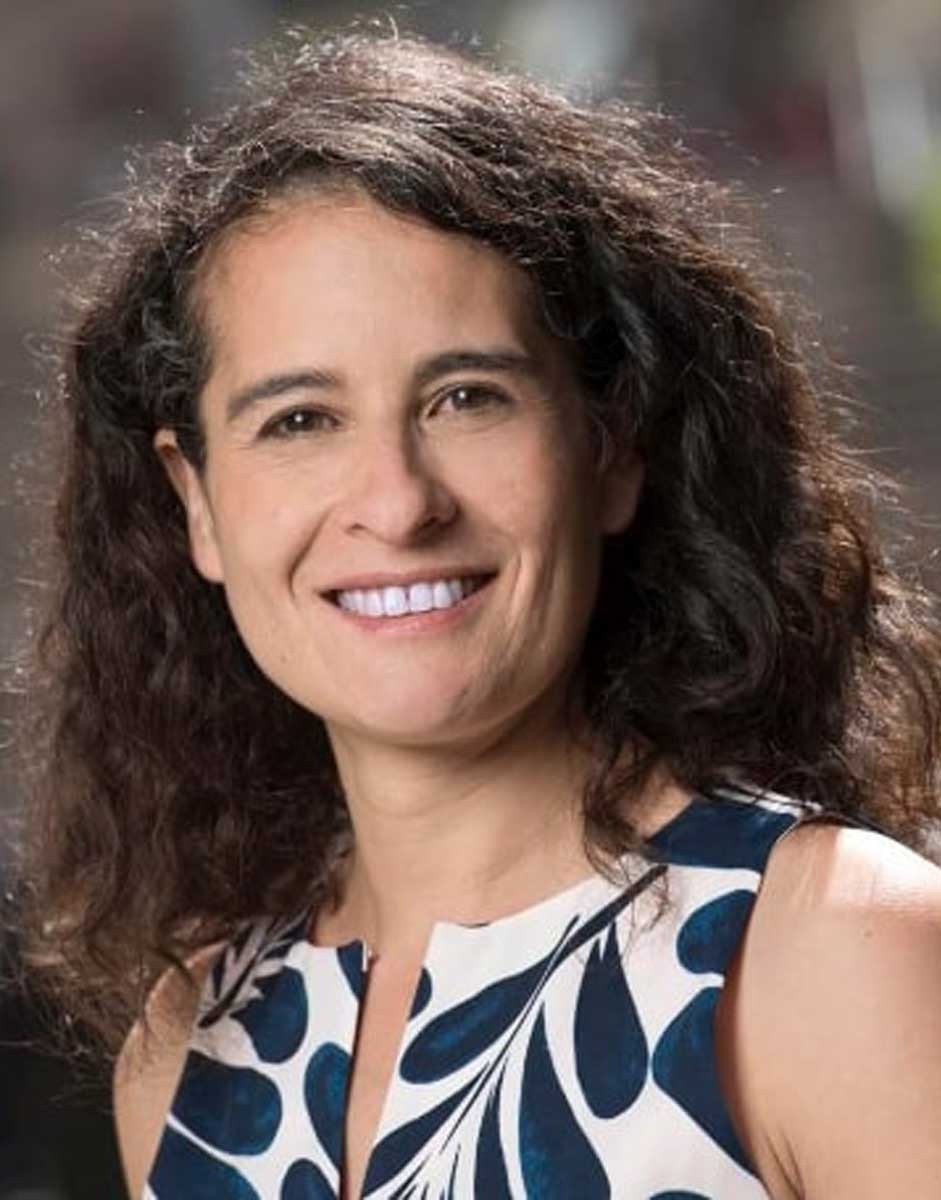
Abstract: Ischemic stroke causes permanent loss of brain tissue, yet most current therapies focus on restoring blood flow acutely or promoting compensation through rehabilitation. Our laboratory is developing biomaterial strategies that instead aim to actively rebuild the damaged brain. We use injectable microporous annealed particle (MAP) scaffolds to transform the post-stroke infarct cavity into a cell-permissive, bioactive environment that supports vascular, immune, and neural remodeling. In this seminar, I will discuss how material properties, scaffold architecture, and localized biological signals can be used to direct repair after stroke. Our work has shown that MAP scaffolds can reduce tissue atrophy, support cellular infiltration, promote angiogenesis, and provide a platform for spatially controlled delivery of regenerative cues. More recently, we have focused on how biomaterials can harness endogenous immune responses. By anchoring astrocyte-derived extracellular vesicles within MAP scaffolds, we found that the local immune landscape can be reshaped to promote vascular remodeling and functional recovery in preclinical models. Together, these studies support a broader view of biomaterials as instructive microenvironments that coordinate multiple cell types and repair processes. Our long-term goal is to establish design principles for regenerative biomaterials that enable tissue reconstruction after central nervous system injury.
Bio: Tatiana Segura is the Robert Plonsey Distinguished Professor of Biomedical Engineering at Duke University. She received her B.S. from the University of California, Berkeley (UC Berkeley), her doctorate from Northwestern University, and her post doctorate at the Swiss Federal Institute of Technology. She began her independent career at the University of California, Los Angeles (UCLA) reaching the title of Professor of Chemical Engineering. At UCLA she participated actively in service culminating with her election as department Vice Chair and running the Graduate Program. At Duke she is currently Director of the Center for Biotechnology and Tissue Engineering and serves as MPI of a T32 Biotechnology Training grant. Professor Segura has received numerous awards and distinctions during her career, including being named a Senior Member of the National Academy of Inventors, receiving the Acta Biomaterialia Silver Medal, a CAREER Award from the National Science Foundation, and an Outstanding Young Investigator Award from the American Society of Gene and Cell Therapy. Professor Segura has published over 120 peer-reviewed papers and reviews and has over 16,000 citations.
Students registered for the class are expected to attend in person.
2026-09-23 09:30:00 2026-09-23 10:20:00 America/Indiana/Indianapolis "Engineering Regenerative Niches for Brain Repair After Stroke," with Tatiana Segura, Duke University Ischemic stroke causes permanent loss of brain tissue, yet most current therapies focus on restoring blood flow acutely or promoting compensation through rehabilitation. Our laboratory is developing biomaterial strategies that instead aim to actively rebuild the damaged brain. MJIS 1001 and via zoom