
Weldon School welcomes Yu Seon Kim as new assistant professor of biomedical engineering
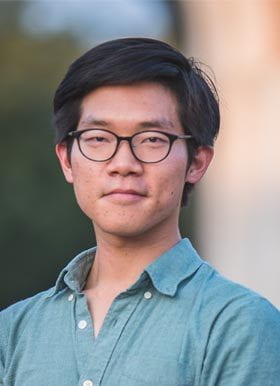
Kim’s research focuses on identifying how the chondrocyte epigenome is established in response to physiologic and injurious mechanical loading. His work aims to incorporate novel bioengineering techniques to identify chondrocyte mechanical memory and develop gene therapy strategies to protect cartilage against musculoskeletal diseases such as osteoarthritis.
His research explores the connection between mechanical forces and changes in gene regulation within chondrocytes, the cells responsible for maintaining cartilage. By better understanding how these cells respond to healthy and damaging mechanical loads, Kim hopes to develop new approaches for preventing and treating joint disease.
Kim said he was drawn to Purdue by the collaborative environment for musculoskeletal research across the university and the state of Indiana.
“I was very impressed by the collaborative environment, not just within Purdue but also throughout the state of Indiana, that exists for conducting cutting-edge musculoskeletal research,” Kim said. “I was also excited about being a part of a newly established Center for Musculoskeletal Engineering (PCME), as well as starting my position in Indianapolis where a lot of expansion is happening.”
The Purdue Center for Musculoskeletal Engineering (PCME) brings together researchers across disciplines to advance research and innovation related to musculoskeletal health. Kim’s work will complement the center’s efforts while creating opportunities for collaboration among engineers, clinicians and industry partners.
Before joining Purdue, Kim served as a postdoctoral research associate at the Washington University School of Medicine in St. Louis. He previously conducted research at Rice University, where he earned his PhD in Bioengineering. His academic journey also includes research experience as an undergraduate research assistant at the Johns Hopkins School of Medicine.
Kim brings a unique combination of scientific expertise and global experience to Purdue. Prior to beginning his research career, he served as an interpreting officer for the Republic of Korea Air Force.
He earned his Bachelor of Science degree in Chemical and Biomolecular Engineering from Johns Hopkins University and his doctoral degree from Rice University.
As he establishes his laboratory in Indianapolis, Kim sees significant opportunities to build collaborations with medical and industry partners in the region.
“The collaborative environment I will have in Indianapolis with IU Medicine and industry partners such as Eli Lilly will enable me to build a strong research program that suits the mission of PCME,” Kim said. “I am also excited about the new growth and research opportunities that will come to the region, thanks to the recently funded NSF IMPACT Engine.”
Through his research and collaborations, Kim will contribute to Purdue’s growing biomedical engineering research enterprise while helping advance new approaches to musculoskeletal disease and regenerative medicine.