Weldon graduate student selected for prestigious NSF fellowship to study AI in healthcare
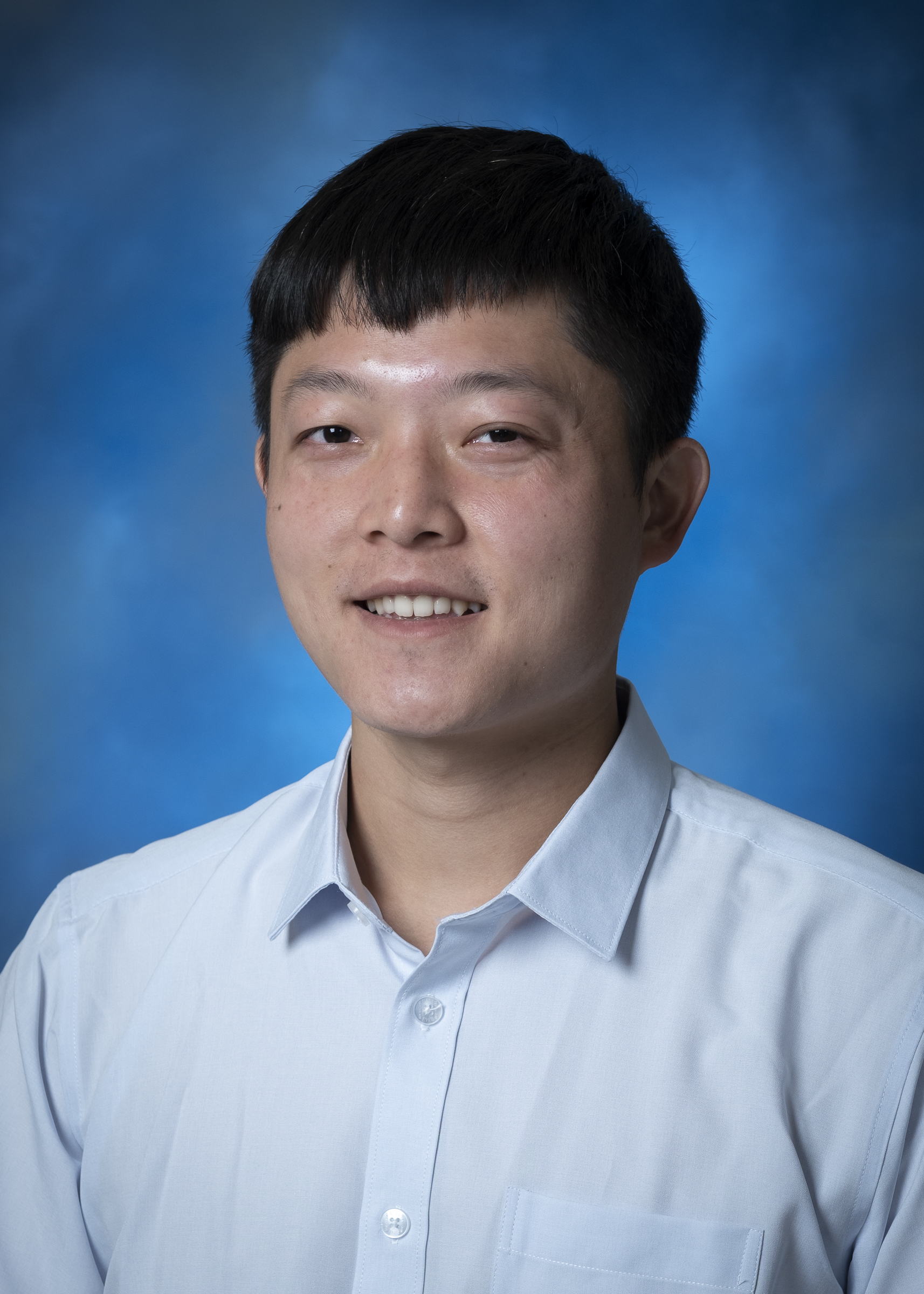
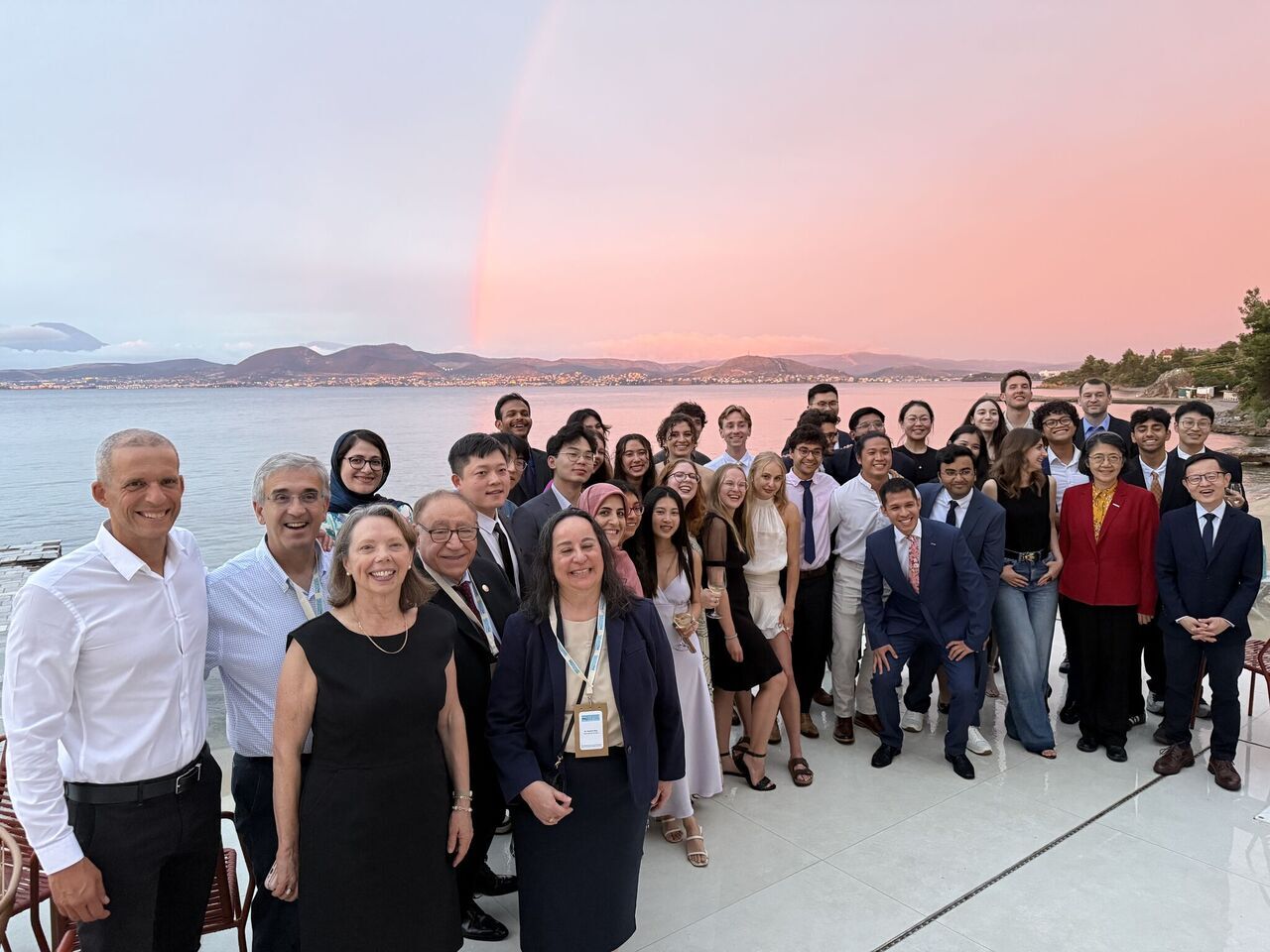
Chosen from more than 1,000 applicants worldwide, Chang joined an elite group of students and early-career researchers to explore how artificial intelligence is transforming healthcare, medicine and biology through lectures, collaborative projects and discussions with internationally recognized experts.
"Shen's selection for this highly competitive international academy is a testament to his intellectual curiosity, dedication, and strong research potential,” said Nan Kong, professor of biomedical engineering. “Opportunities like this allow talented young researchers to engage with global leaders, broaden their perspectives, and bring back new ideas that will strengthen both our research program and the broader biomedical engineering community."
For Chang, a member of Kong's Intelligent Improvement for Health and Human (I2H2) Lab, the opportunity was both an honor and a validation of his research direction.
"Being selected for the NSF fellowship was a great honor for me," Chang said. "The program was highly competitive, with only about 3% of applicants selected, so receiving this fellowship made me feel both encouraged and grateful. It gave me more confidence in the direction of my research and reminded me that the questions we are working on in biomedical engineering can have broader relevance beyond our own labs."
Throughout the academy, participants examined emerging applications of artificial intelligence in healthcare while exchanging ideas with peers from diverse academic disciplines and countries.
Chang said one of the most valuable aspects of the experience was the collaborative environment.
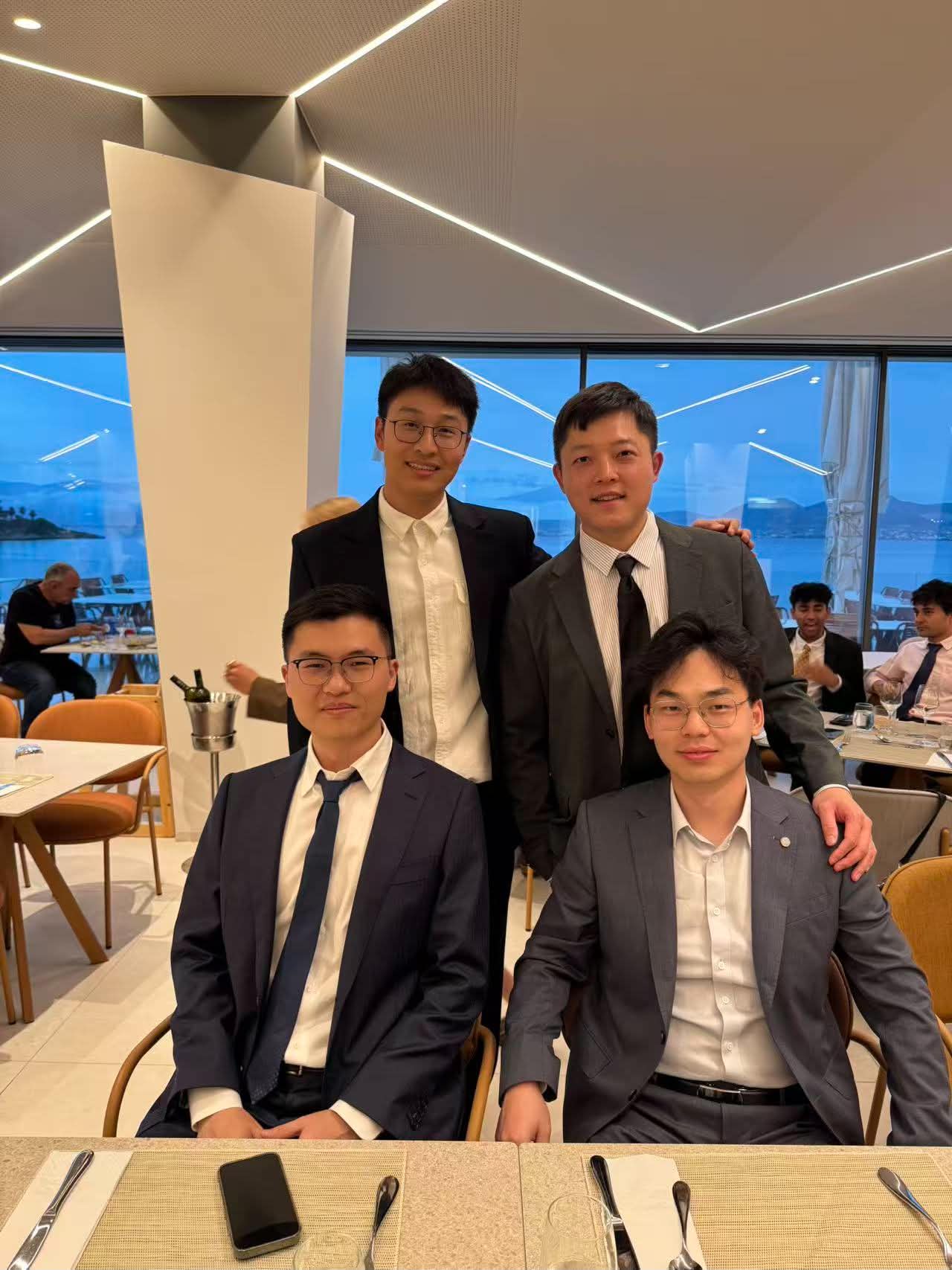
"The lectures were excellent, but what made the experience truly special was the environment created by the organizers and participants," he said. "Everyone was open, kind and willing to exchange ideas. Through lectures, project discussions, informal conversations and cultural activities in Greece, I learned not only about AI in healthcare, but also about how researchers from different fields think about real-world healthcare challenges."
One lesson, in particular, reshaped how he views biomedical and healthcare AI research.
"Before attending the academy, I often thought about AI research mainly through technical novelty," Chang said. "The academy helped me realize that impactful biomedical AI depends on whether the problem is meaningful, whether the data are reliable, whether the model can be trusted and explained, and whether the final solution can actually be used in practice."
He was especially struck by discussions emphasizing that successful healthcare technologies begin with identifying genuine clinical needs rather than simply developing increasingly complex algorithms.
"At the I2H2 Lab, we strive to develop intelligent systems that improve health and human well-being through interdisciplinary research,” said Kong. “Shen embodies that vision. His participation in this academy will expose him to diverse perspectives and emerging ideas that will not only enrich his own research but also benefit our entire research team."
That perspective aligns closely with Chang's own research, which focuses on using artificial intelligence and audio-video data to provide AI-based assessments of nursing procedures in nursing student training, potentially helping thousands of nursing school instructors in their teaching and improving learning outcomes.
"After the academy, I became more motivated to frame my work not only as an AI modeling problem, but also as a translational biomedical engineering problem," he said. "The goal is not simply to develop a stronger model, but to build a system that can support nursing education, provide meaningful feedback and eventually contribute to better healthcare training and practice."
Reflecting on the experience, Chang encourages other students to pursue similar opportunities, even if they are uncertain about their chances.
"These experiences can be much more than a line on a CV," he said. "They can change how you think about your research, help you build meaningful professional connections and open your mind to new career possibilities."
He also encourages students to embrace interdisciplinary collaboration.
"In biomedical engineering, our value is not only in the tools we use, but in our ability to identify important problems and create solutions that are practical, explainable and useful for real people."