
Three Purdue Biomedical Engineering students earn prestigious NSF Graduate Research Fellowships
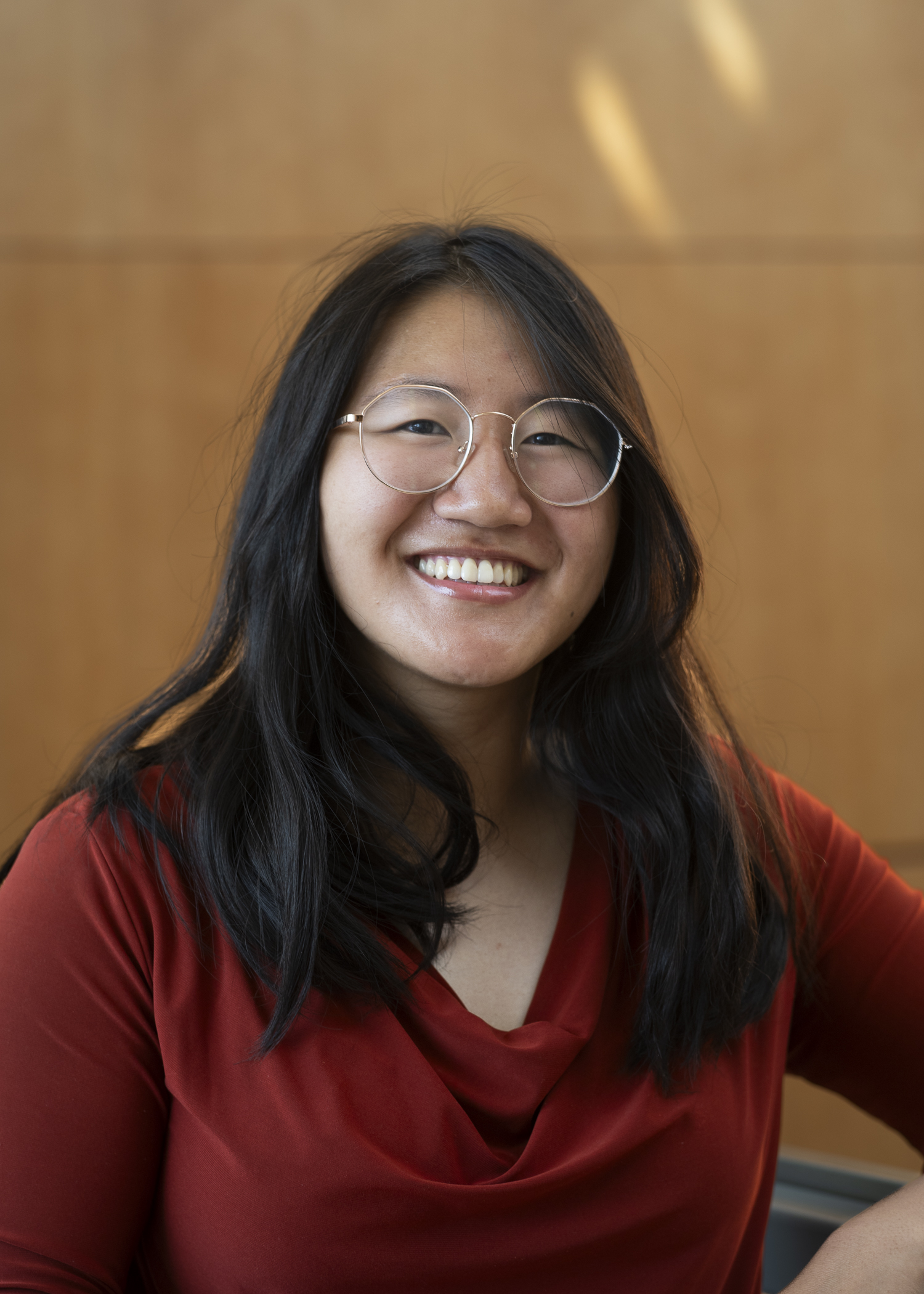

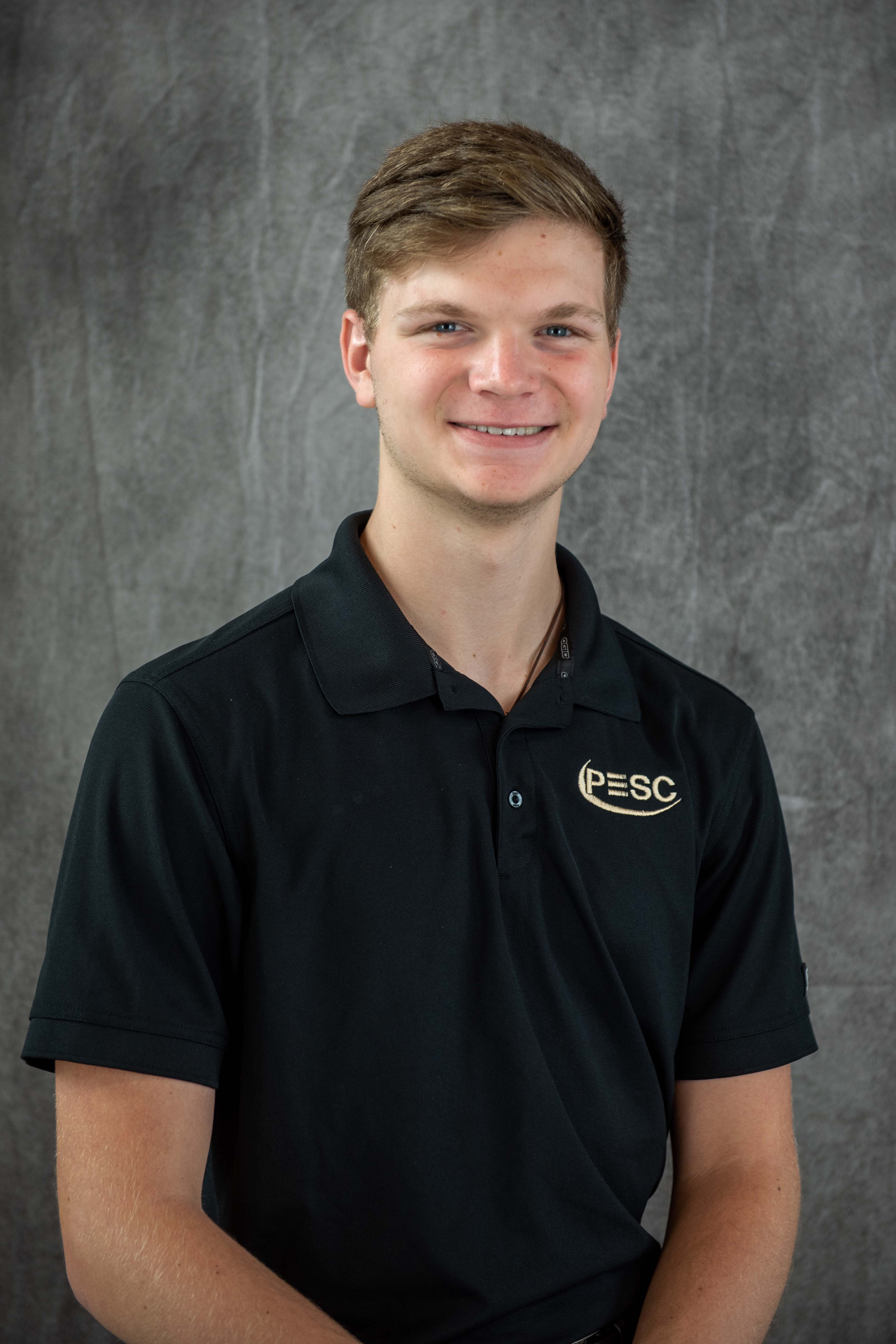
The 2026 recipients are graduate students Giada Brandes and Jessica Prakash, and Nathan Petrucci, who graduated with his bachelor’s degree in biomedical engineering in May and is continuing at Purdue as a master’s student.
The NSF Graduate Research Fellowship Program is one of the nation’s most respected programs supporting graduate students in science, technology, engineering and mathematics. The five-year fellowship provides three years of financial support, including an annual stipend of $37,000 and $16,000 per year toward tuition and fees.
This year, the NSF selected 2,500 fellows from a highly competitive pool of nearly 14,000 applicants nationwide. The 2026 awards mark the highest number of fellowships since 2023 and come as the program enters its 75th year as the nation’s oldest graduate research fellowship of its kind.
For the three Weldon School recipients, the fellowships will provide support as they pursue research aimed at advancing biomedical science and improving human health.
Giada Brandes
Brandes is a first-year graduate student in biomedical engineering working in the laboratory of Associate Professor Deva Chan.
A 2025 graduate of Boise State University with a bachelor’s degree in mechanical engineering and a minor in applied mathematics, Brandes joined Purdue’s biomedical engineering graduate program to pursue research at the intersection of engineering and human health.
She is part of the Chan Laboratory, which focuses on developing new approaches to understand and treat musculoskeletal diseases. Brandes has quickly become involved in the lab’s research, where she is exploring new engineering approaches with potential applications in biomedical research and therapeutic development.
Chan said Brandes has made an immediate impact in the laboratory and is already building the foundation for her graduate research.
The NSF fellowship will give Brandes the opportunity to further develop her research skills while pursuing questions that could ultimately lead to new approaches for improving human health.
Jessica Prakash
Prakash is a graduate student in biomedical engineering working with Associate Professor Luis Solorio.
Her NSF Graduate Research Fellowship-supported research utilizes single-cell spatial transcriptomics to map determinants of breast cancer-conditioned lung pre-metastatic niche formation and monitor AAV-mediated gene delivery efficacy for pre-metastatic lung cancer.
Her work seeks to better understand the biological changes associated with the formation of a pre-metastatic niche — an environment in a distant organ that may become more receptive to cancer spread. By using single-cell spatial transcriptomics, Prakash can examine these changes with detailed information about individual cells and their locations within tissue.
Prakash is also investigating the efficacy of AAV-mediated gene delivery in the context of pre-metastatic lung cancer. Together, these research approaches contribute to a deeper understanding of the complex biological processes involved in cancer progression and the potential of advanced gene delivery strategies.
Her research exemplifies the interdisciplinary nature of biomedical engineering, combining advanced technologies and biological research to address important questions in cancer.
Prakash said the fellowship is an important step as she continues her graduate research and prepares for a career in biomedical research.
Nathan Petrucci
Petrucci earned his undergraduate degree from the Weldon School in May 2026. He is now pursuing his PhD at Stanford University.
As an undergraduate, Petrucci gained extensive research experience through opportunities at Purdue and elsewhere. His work in the Bao Lab has contributed to research involving engineered human cells and organoid models.
Petrucci was a co-author on recent research published in Biotechnology and Bioengineering examining cardiovascular organoids with adjustable endothelial composition. The work explores approaches for creating more sophisticated models of human cardiovascular biology and disease.
His research experiences have also taken him beyond Purdue. He worked at Oregon Health & Science University on research investigating the relationship between early embryonic blood flow and congenital heart defects and later conducted research at Universidad San Francisco de Quito examining the effects of mitochondria derived from mesenchymal stromal cells.
Now, with the support of the NSF Graduate Research Fellowship, Petrucci will continue developing his research.
Supporting the next generation of researchers
The NSF Graduate Research Fellowship provides more than financial support. It allows emerging researchers to pursue innovative ideas, build professional networks and develop the skills needed to become leaders in STEM fields.
For Brandes, Prakash and Petrucci, the fellowship recognizes the research they have already accomplished while providing a foundation for the work still ahead.
Their achievements reflect the strength of research opportunities available through Purdue’s Weldon School of Biomedical Engineering, where students work alongside faculty to address complex challenges in health and medicine.
The NSF Graduate Research Fellowship has supported more than 70,000 graduate researchers since its establishment in 1952, many of whom have gone on to become leaders in science and engineering.
For the three Purdue biomedical engineering recipients, the fellowship marks the beginning of another important chapter in their research careers.