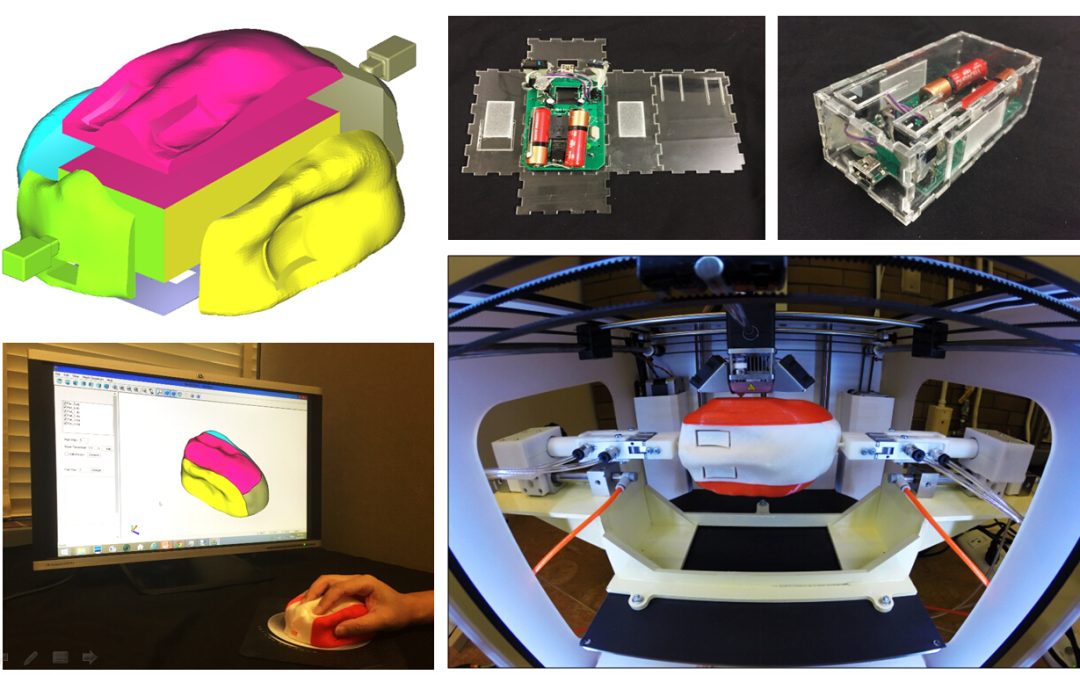
by wei | Nov 5, 2015 | 2015, Fabrication, Featured Publications, HUMAN SHAPE INTERACTION, Shape Understanding, TANGIBLE, EMBEDDED & EMBODIED INTERFACES, Wei Gao, Yunbo Zhang
In recent years, 3D printing has gained significant attention from the maker community, academia, and industry to support low-cost and iterative prototyping of designs. Current unidirectional extrusion systems require printing sacrificial material to support printed...
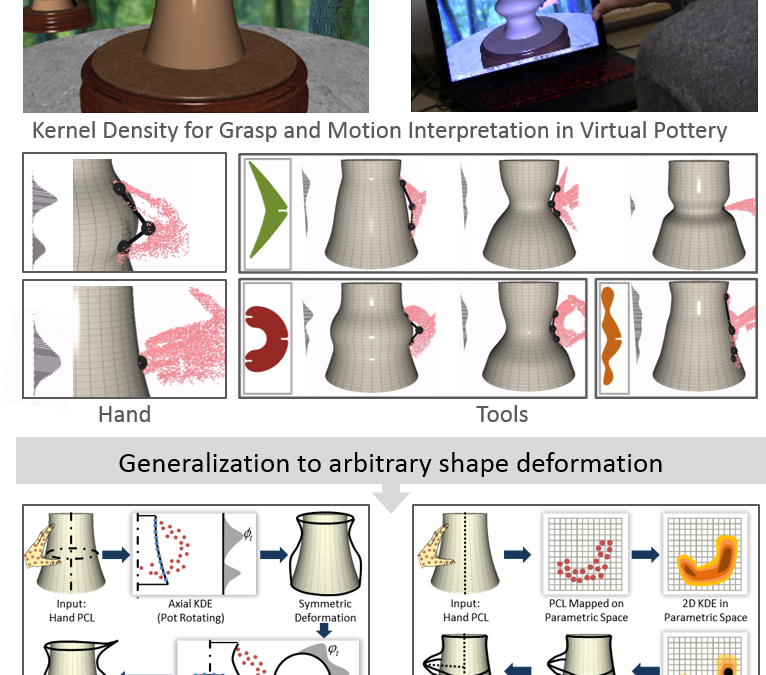
by vinayak | Oct 25, 2015 | 2015, HUMAN SHAPE INTERACTION, Karthik Ramani, Mid-air Interaction, Recent Publications, Uncategorized, Vinayak
We describe the iterative design and evaluation of a geometric interaction technique for bare-hand mid-air virtual pottery. We model the shaping of a pot as a gradual and progressive convergence of the pot-profile to the shape of the user’s hand represented as a...
by Chiho Choi | Aug 31, 2015 | 2015, Ayan Sinha, Chiho Choi, Karthik Ramani, Recent Publications, Shape Understanding, Sujin Jang
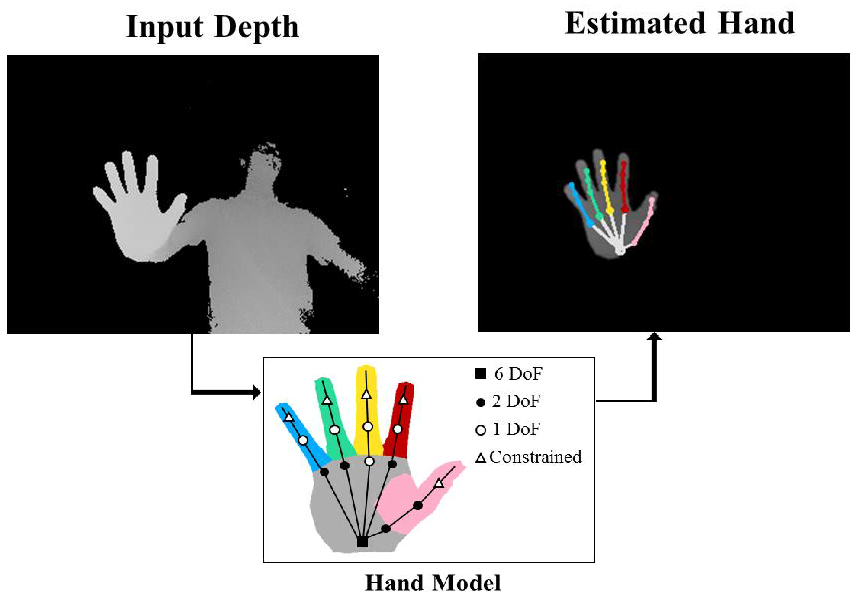
Collaborative filtering aims to predict unknown user ratings in a recommender system by collectively assessing known user preferences. In this paper, we first draw analogies between collaborative filtering and the pose estimation problem. Specifically, we recast the...
by Convergence Design Lab Admin | Aug 30, 2015 | 2015, Anirudh Sriram, Design Learn, DESIGN METHOD
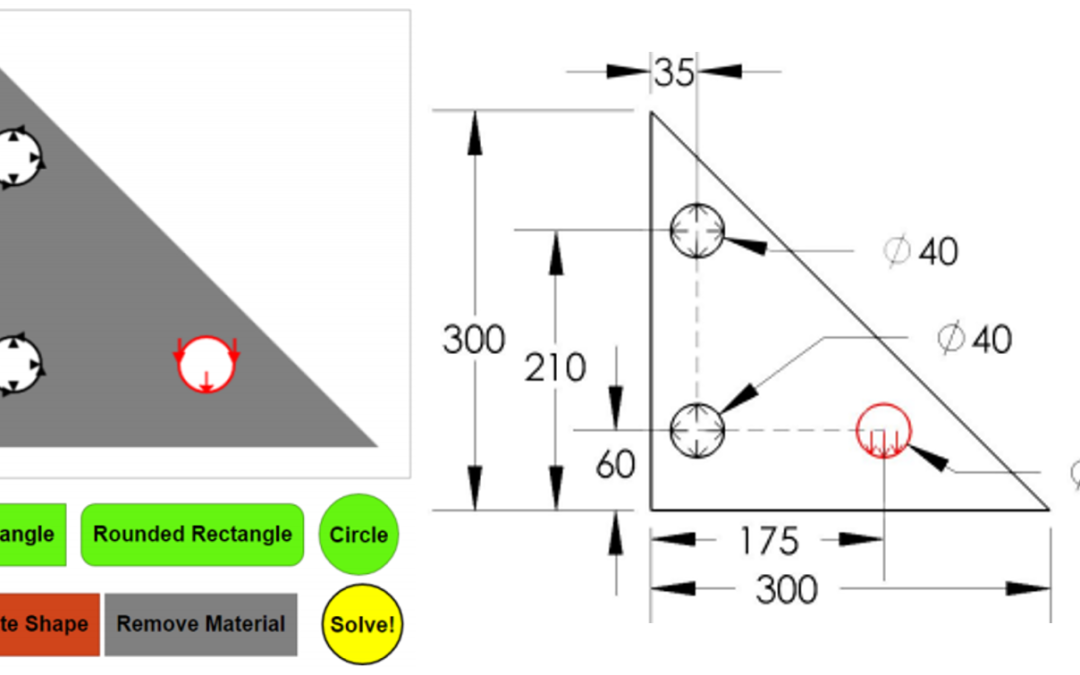
ABSTRACT In helping students learn engineering design, it is very important that they explore complex scenarios that are realistic, and fall outside the domain of standard and over-simplified textbook problems that typically have an answer. A majority of the current...
by Joran | Aug 11, 2015 | 2015, Design Learn, DESIGN METHOD, Design Representation, Joran Booth, Karthik Ramani, Recent Publications
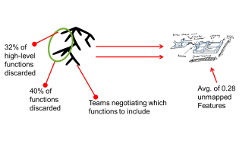
This paper explores functional decomposition in early design. In the first part of this study, we explore how the three most common methods (top-down, energy-flow, enumeration) affect concept generation for novice design teams (n=25). We found that nearly all the...
by Joran | Aug 10, 2015 | 2015, Design Learn, DESIGN METHOD, Design Representation, Joran Booth, Karthik Ramani
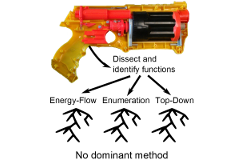
The purpose of this study is to begin to explore which function identification methods work best for specific tasks. We use a three-level within-subject study (n ¼ 78) to compare three strategies for identifying functions: energy-flow, top-down, and enumeration....