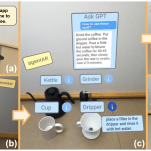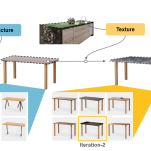
by Sujin | Oct 4, 2014 | 2014, HUMAN SHAPE INTERACTION, Karthik Ramani, Mid-air Interaction, Spatial Analytics, Sujin Jang
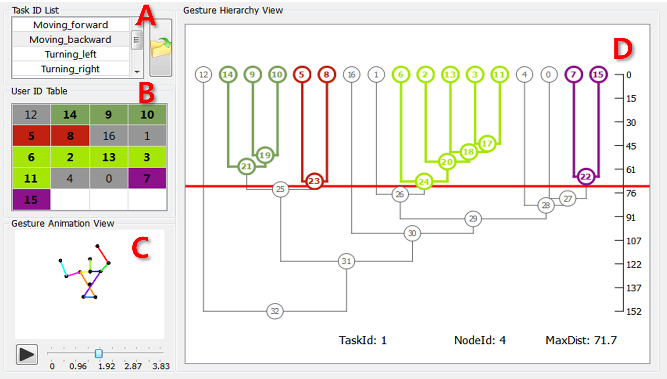
Understanding the intent behind human gestures is a critical problem in the design of gestural interactions. A common method to observe and understand how users express gestures is to use elicitation studies. However, these studies requires time-consuming analysis of...

by Sang Ho Yoon | Sep 15, 2014 | 2014, Embedded Input, Ke Huo, Publications, Sang Ho Yoon, TANGIBLE, EMBEDDED & EMBODIED INTERFACES
Abstract: We present Plex, a finger-worn textile sensor for eyes-free mobile interaction during daily activities. Although existing products like a data glove possess multiple sensing capabilities, they are not designed for environments where body and finger motion...
by Sang Ho Yoon | Sep 15, 2014 | 2014, Ansh Verma, Embedded Input, Publications, Sang Ho Yoon, TANGIBLE, EMBEDDED & EMBODIED INTERFACES
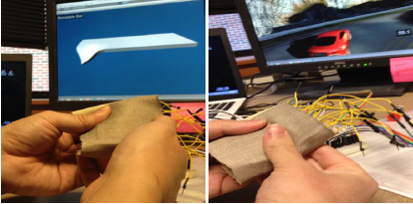
We present BendID, a bendable input device that recognizes the location, magnitude and direction of its deformation. We use BendID to provide users with a tactile metaphor for pressure based input. The device is constructed by layering an array of indium tin oxide...
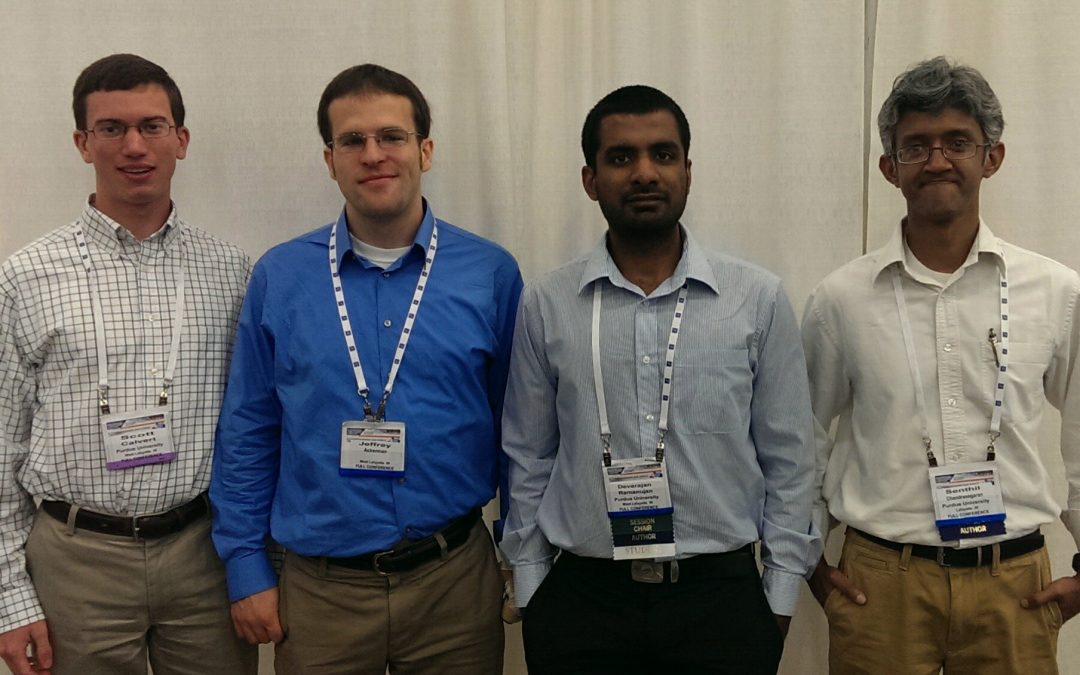
by Convergence Design Lab Admin | Sep 9, 2014 | Devarajan Ramanujan, News, Senthil Chandrasegaran
Devarajan Ramanujan, Senthil Chandrasegaran, Jeff Ackerman and Scott Calvert won theASME 2014 Student Design Competition in Buffalo, New York. The design challenge, held as part of the ASME IDETC/CIE conferences, was to envision and pitch ideas for...

by Joran | Sep 8, 2014 | 2014, DESIGN METHOD, Design Representation, Joran Booth, Karthik Ramani
While much prior work has been done regarding sketching and its impact on design and a few on how to train engineers to sketch, there have been no prior studies in engineering to reduce inhibition to frequent sketching. This paper describes a sketching intervention...
by Joran | Sep 8, 2014 | 2014, Design Learn, DESIGN METHOD, Design Representation, Joran Booth, Karthik Ramani
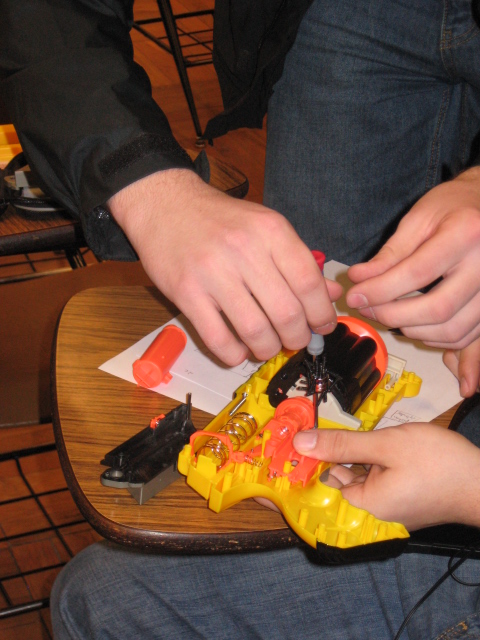
The purpose of this study is to continue to explore which function identification methods work best for specific design tasks. Prior literature describes the top-down and bottom-up approaches as equivalent methods for functional decomposition. Building on our prior...