

How Industrial Engineers Impact Transportation
Discover how industrial engineers apply data, artificial intelligence, optimization and systems thinking to move people and goods more safely, efficiently, and sustainably.
Transportation is more than roads and vehicles—it's a complex network of people, technology, infrastructure, and data. Industrial engineers improve the systems that move people and goods every day, helping transportation become safer, more efficient, and more reliable.
Whether optimizing airline schedules, improving public transportation, designing smarter traffic systems, or developing autonomous vehicles, industrial engineers solve problems that keep the world moving.
What Do Industrial Engineers Do in Transportation?
Industrial engineers improve transportation systems by combining engineering, data analytics, artificial intelligence, optimization, and human-centered design.
Rather than designing individual vehicles, industrial engineers improve the systems those vehicles operate within—from highways and airports to rail networks, warehouses, and autonomous vehicle fleets.
Industrial engineers may help:
- Optimize airline scheduling
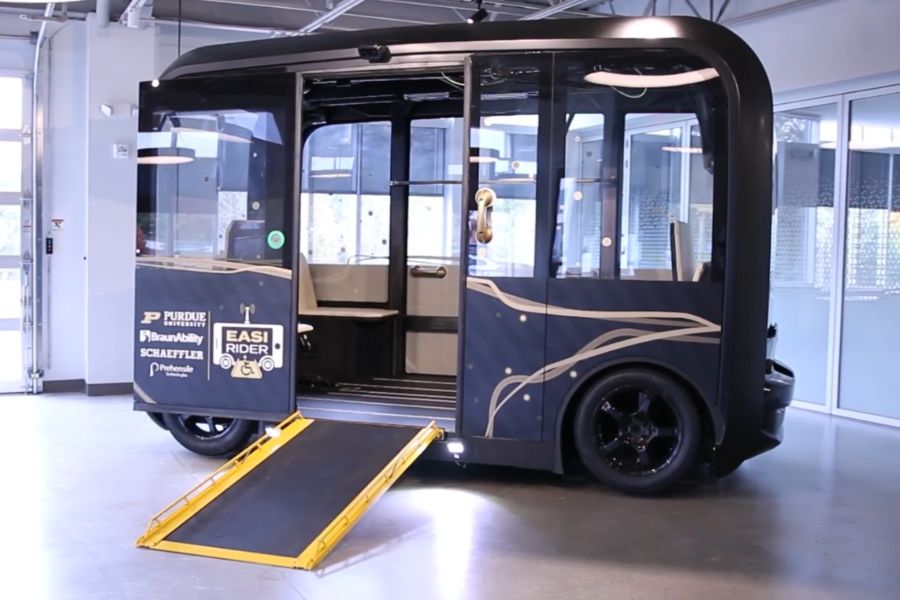
- Design autonomous transportation systems
- Reduce delivery times
- Improve public transportation
- Analyze transportation data
- Optimize logistics networks
Why Transportation Needs Industrial Engineers
Every day, millions of people and billions of dollars worth of goods move through transportation networks.
Industrial engineers help answer questions like:
- How can highway congestion be reduced?
- How can deliveries arrive faster or more efficiently?
- How can we make autonomous transportation more inclusive?
- What can we do to make transportation more sustainable?
- How can transportation systems be made safer?
Transportation is ultimately a systems problem, which industrial engineers specialize in.
Transportation and Industrial Engineering in the Real World
Artificial intelligence and robotics are already changing the way we live and work, and industrial engineers are helping shape that future across a wide range of industries.
Autonomous Vehicles
Improve navigation, safety, and decision-making for self-driving vehicles.
Airlines
Optimize flight schedules, baggage handling, and airport operations.
Public Transportation
Improve transit schedules, passenger flow, and system efficiency
Supply Chain Logistics
Design transportation networks that move products efficiently across the world.
Smart Cities
Use sensors, AI, and analytics to improve urban mobility.
Traffic Engineering
Reduce congestion while improving safety and travel times.
Whether improving a city's transportation network, helping autonomous vehicles make better decisions, or designing more efficient airline operations, industrial engineers help create transportation systems that are smarter, safer, and more connected.
Designing the Future of Mobility
Highlights
- Connected and autonomous vehicles
- Intelligent transportation systems
- Human-centered mobility
- Accessible transportation technologies
- Artificial intelligence for transportation
- Smart infrastructure
- Transportation data analytics
- Inclusive transportation design
Your Path to Purdue Industrial Engineering
Interested in applying industrial engineering principles to solve real-world transportation challenges? Purdue Industrial Engineering offers two distinct pathways to earn the same nationally recognized Purdue IE degree.
West Lafayette
Experience the traditional residential Purdue campus with access to world-class research, student organizations, laboratories, and the complete undergraduate experience.
Indianapolis
Begin your Purdue Industrial Engineering degree in Indianapolis with close industry connections and hands-on experiences before completing your degree in West Lafayette.