
How Industrial Engineers Impact Healthcare
Discover how industrial engineers use data, AI, robotics, and systems thinking to improve patient care, healthcare operations, and the technologies that shape the future of medicine.
Every day, healthcare professionals make thousands of decisions that affect patient outcomes. Industrial engineers help make those decisions smarter by improving the systems behind patient care. From scheduling surgeries and reducing emergency room wait times to designing medical robotics and applying artificial intelligence, industrial engineers help healthcare organizations deliver safer, faster, and more efficient care.
What Do Industrial Engineers Do in Healthcare?
Industrial engineers may help:
-
Reduce emergency room wait times
-
Improve operating room scheduling
-
Optimize patient flow
-
Design safer healthcare processes
-
Improve hospital staffing
-
Analyze healthcare data
-
Develop medical robotics
-
Support AI-assisted clinical decision making
Why Healthcare Needs Industrial Engineers
Industrial engineers ask:
-
How can patients receive care more quickly?
-
How can hospitals improve patient safety?
-
Where are delays occurring?
-
How should medical staff and technology work together?
-
Can artificial intelligence help physicians make better decisions?
-
How can hospitals do more with limited resources?
By improving the systems surrounding healthcare, industrial engineers help medical professionals focus on what matters most—patient care.
Healthcare and Industrial Engineering in the Real World
Industrial engineers are working in a number of areas to improve patient care and outcomes.
Hospital Operations
Improve patient flow, reduce wait times, and optimize staffing.
Surgical Robotics
Support robotic-assisted surgery through human factors, workflow design, and data analysis.
Artificial Intelligence
Use AI to improve diagnosis support, scheduling, and operational decision-making.
Healthcare Analytics
Analyze patient data to improve quality, efficiency, and outcomes.
Medical Devices
Design safer and more effective systems around medical technology.
Rehabilitation & Assistive Technology
Develop systems that improve independence and quality of life for patients.
Whether the goal is building safer workplaces, improving patient care, reducing waste, or developing the next generation of intelligent systems, industrial engineers play a critical role in turning emerging technologies into practical solutions.
Healthcare Innovation at Purdue

Healthcare innovation at Purdue brings together industrial engineering, artificial intelligence, robotics, and human-centered design to improve patient care and healthcare delivery.
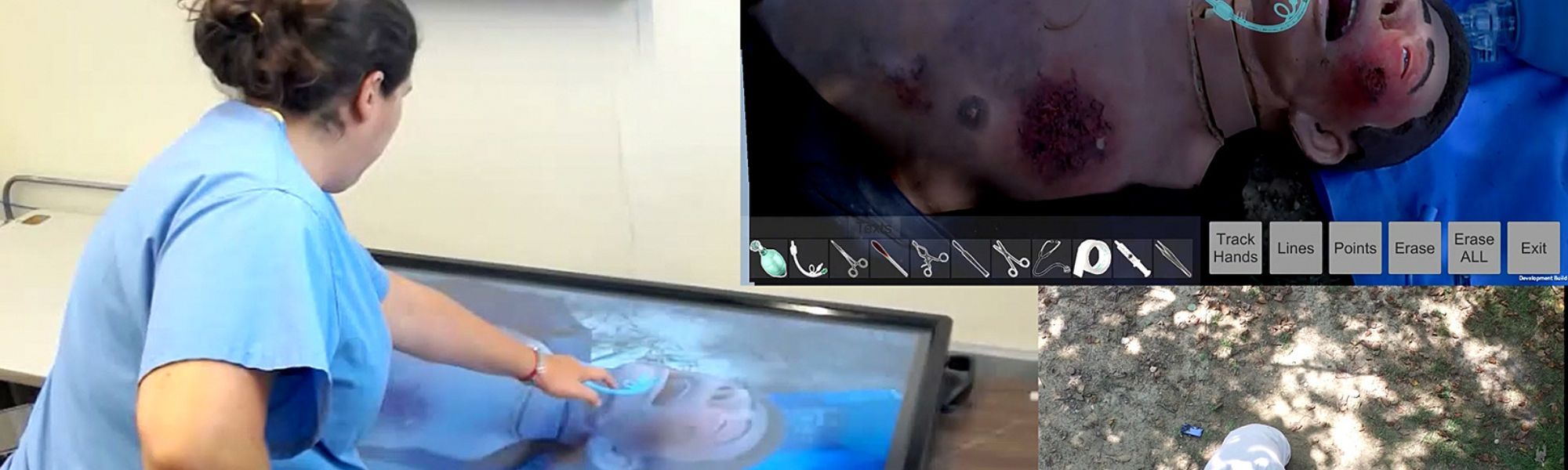
Faculty and students work across disciplines to develop technologies that assist surgeons, improve rehabilitation, enhance accessibility, and create smarter healthcare systems. Research spans medical robotics, computer vision, wearable technologies, machine learning, and clinical decision support.
One example is Purdue's Center for AI & Robotic Excellence (CARE) in Medicine, where researchers explore innovative ways to improve quality of life through intelligent technologies that support patients, clinicians, and caregivers.
Highlights
- Artificial intelligence in healthcare
- Medical and surgical robotics
- Computer vision for clinical applications
- Human-centered technology design
- Healthcare operations and systems optimization
- Interdisciplinary research with clinical partners
Your Path to Purdue Industrial Engineering
Interested in improving healthcare through engineering? Purdue Industrial Engineering offers two distinct pathways to earn the same nationally recognized Purdue IE degree.
West Lafayette
Experience the traditional residential Purdue campus with access to world-class research, student organizations, laboratories, and the complete undergraduate experience.
Indianapolis
Begin your Purdue Industrial Engineering degree in Indianapolis with close industry connections and hands-on experiences before completing your degree in West Lafayette.