by Dizhi Ma | Mar 21, 2026 | 2026, Dizhi Ma, Karthik Ramani
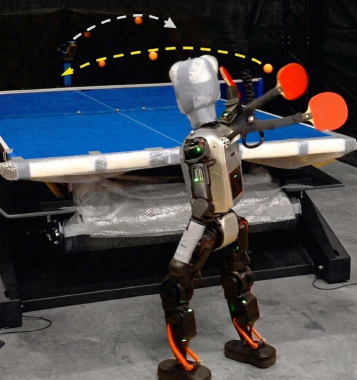
Humanoid table tennis (TT) demands rapid perception, proactive whole-body motion, and agile footwork under strict timing—capabilities that remain difficult for end-to-end control policies. We propose a reinforcement learning (RL) framework that maps ball-position...
by Karthik Ramani | Jan 12, 2026 | 2026, Karthik Ramani
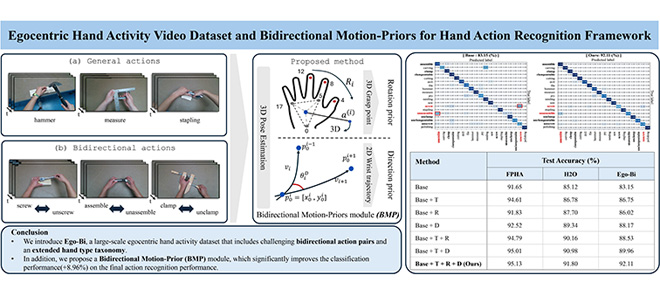
Recognizing tool-based hand activities from a first-person view is a critical yet challenging task in computer vision, due to the complexity of hand-object interactions and often subtle, ambiguous motion patterns. In real-world manufacturing scenarios, these...
by Runlin Duan | Jan 1, 2026 | 2026, Jingyu Shi, Karthik Ramani, Rahul Jain, Runlin Duan, Yuzhao Chen
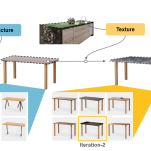
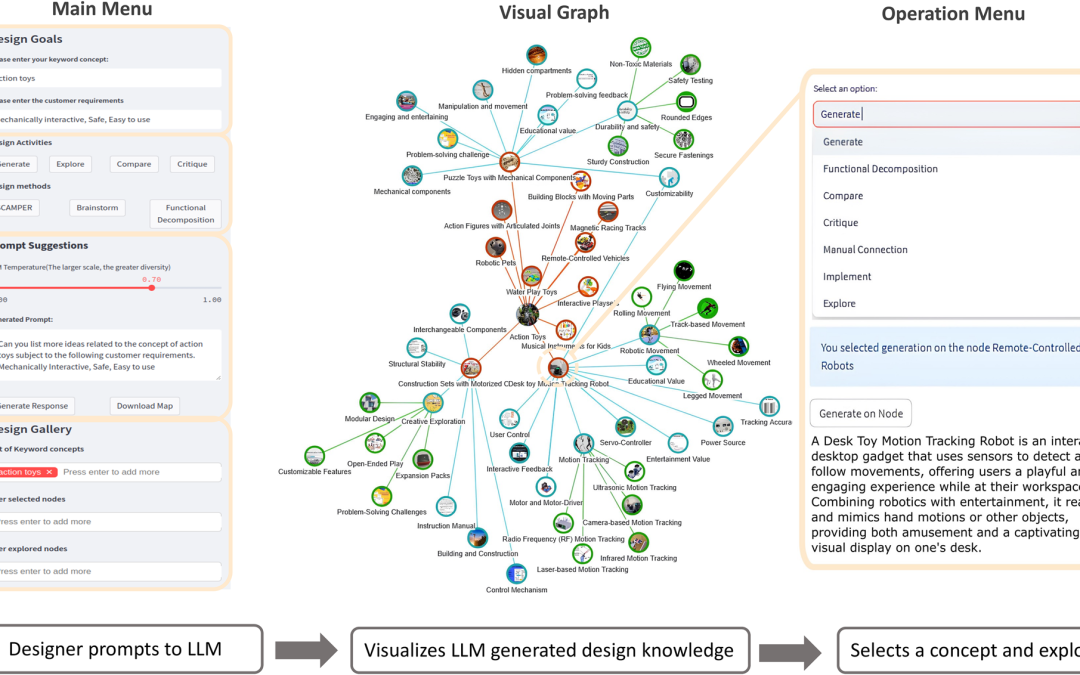
Large language models (LLMs) are capable of generating cross-domain design knowledge, opening up new possibilities for creating a myriad of design concepts for early-stage design ideation. However, the current chat-based interface fails to represent the complexity of...
by Mayank Patel | Dec 8, 2025 | 2025, Ananya Ipsita, Asim Unmesh, Jingyu Shi, Karthik Ramani, Mayank Patel, Rahul Jain
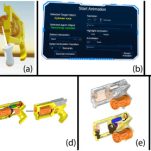
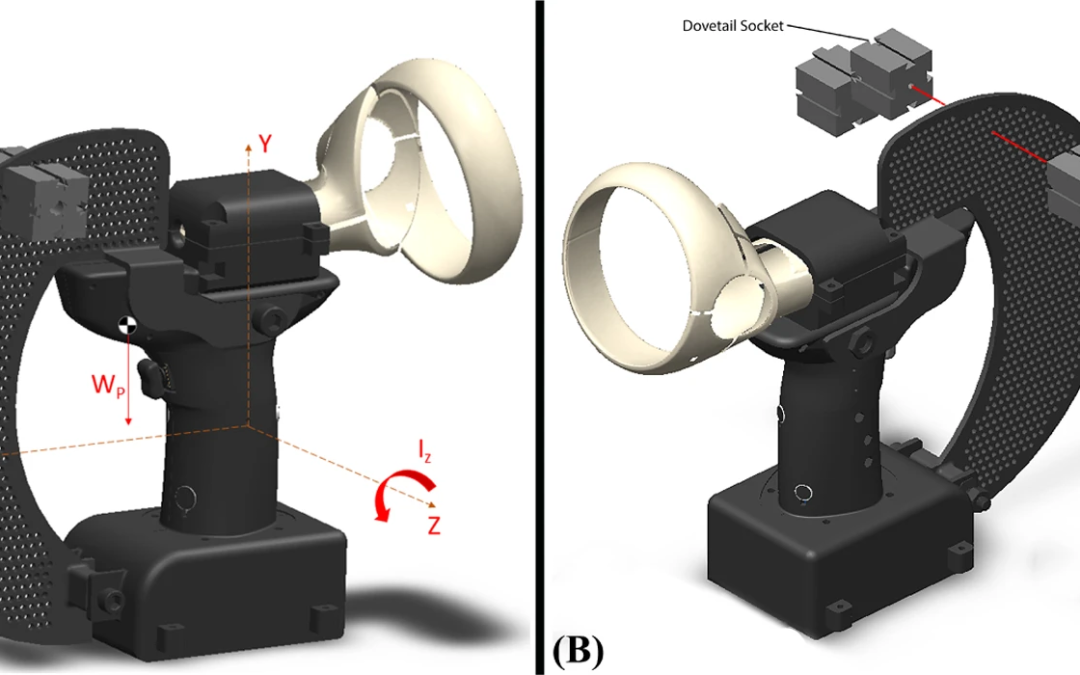
In VR-based manufacturing training employing Oculus controllers for power tool operation, users consistently encounter a glaring impediment: the conspicuous absence of haptic feedback. This critical shortfall significantly hinders the seamless transfer of acquired...
by Karthik Ramani | Dec 1, 2025 | 2025, Karthik Ramani
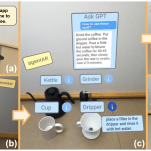
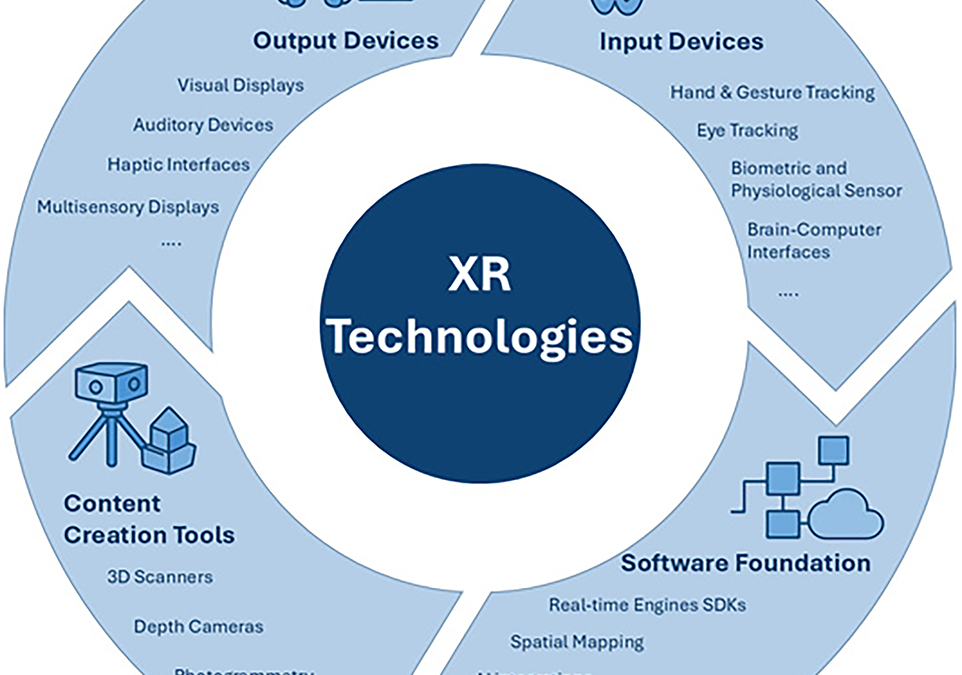
Extended reality (XR) technologies are no longer peripheral innovations but emerging cornerstones of human–technology interaction across critical sectors. This article takes the position that engineering and healthcare represent the most mature and strategically...
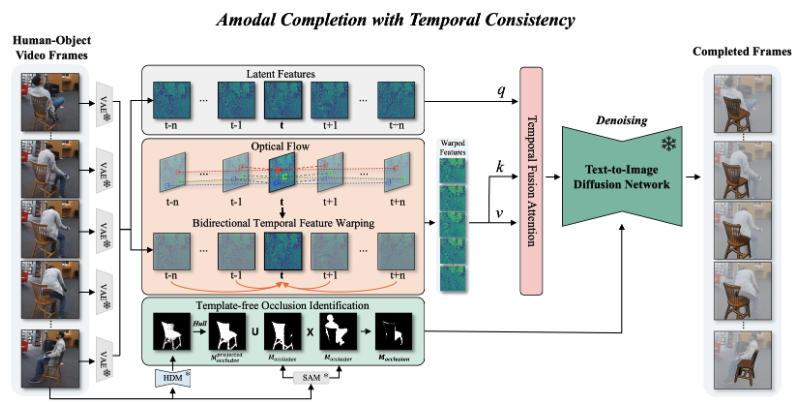
by Hyungjun Doh | Oct 27, 2025 | 2025, Hyungjun Doh, Karthik Ramani, Sangpil Kim, Seunggeun Chi
We introduce a novel framework for reconstructing dynamic human-object interactions from monocular video that overcomes challenges associated with occlusions and temporal inconsistencies. Traditional 3D reconstruction methods typically assume static objects or full...