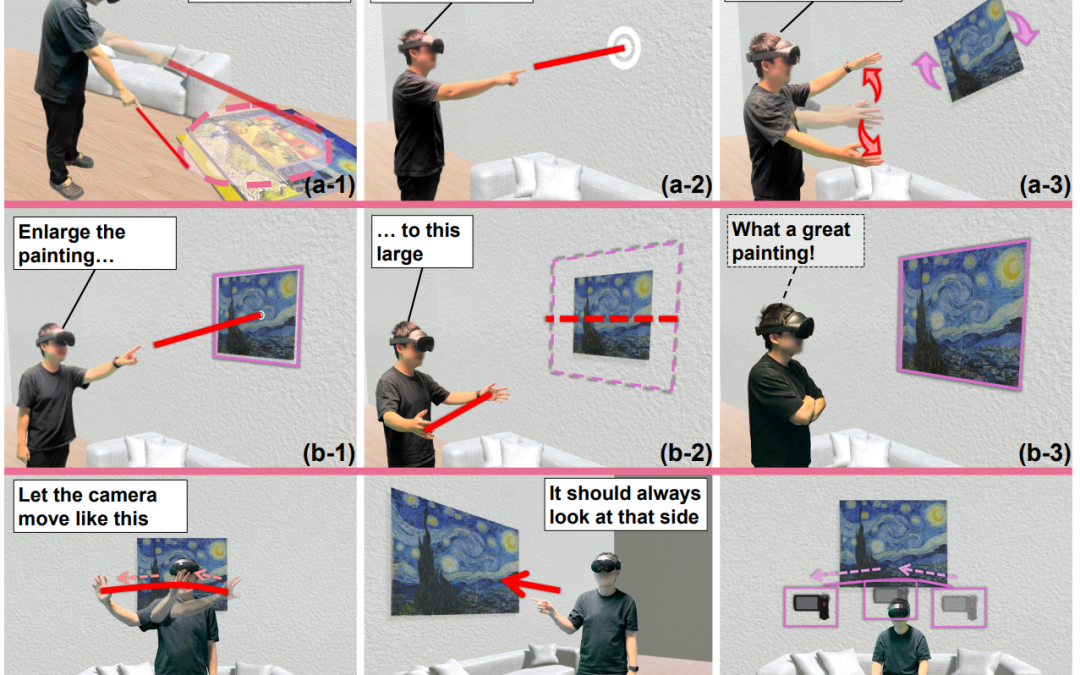
As domestic robots become prevalent, households will involve multiple robots with different capabilities, requiring people to coordinate and collaborate with several robots daily. This demands understanding key human–multi-robot interaction that...
Zhengzhe Zhu is a PhD student in the school of ECE at Purdue University. His current work focuses on Human-Computer Interaction (HCI), aiming to promote collaboration, enhance playfulness, and improve education in virtual and augmented reality environments.
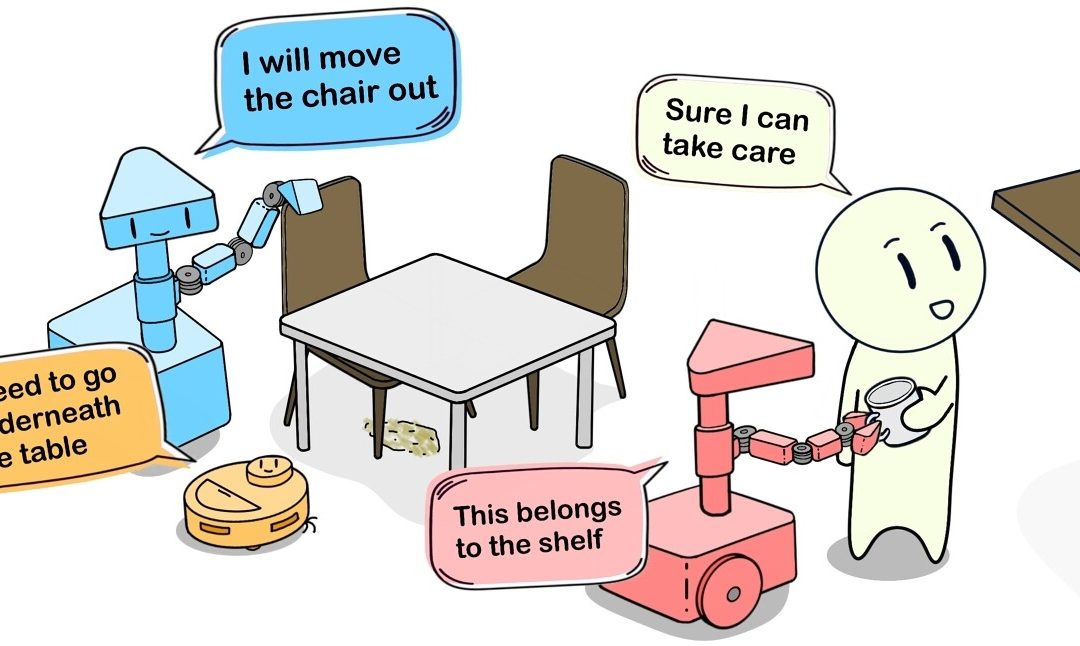
As domestic robots become prevalent, households will involve multiple robots with different capabilities, requiring people to coordinate and collaborate with several robots daily. This demands understanding key human–multi-robot interaction that...
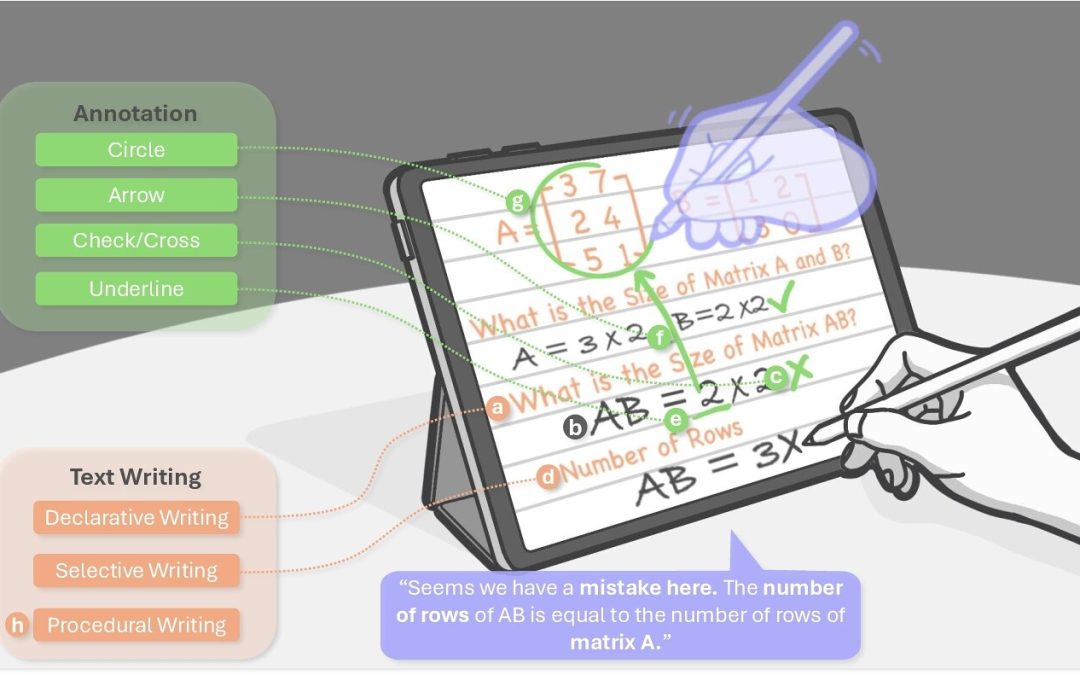
Real-time handwriting interactions between tutors and students —where tutors observe individual problem-solving processes, provide personalized annotations, and adapt explanations based on students’ work—are fundamental to effective STEM tutoring....
Large Language Model (LLM)-based copilots have shown great potential in Extended Reality (XR) applications. However, the user faces challenges when describing the 3D environments to the copilots due to the complexity of conveying spatial-temporal...
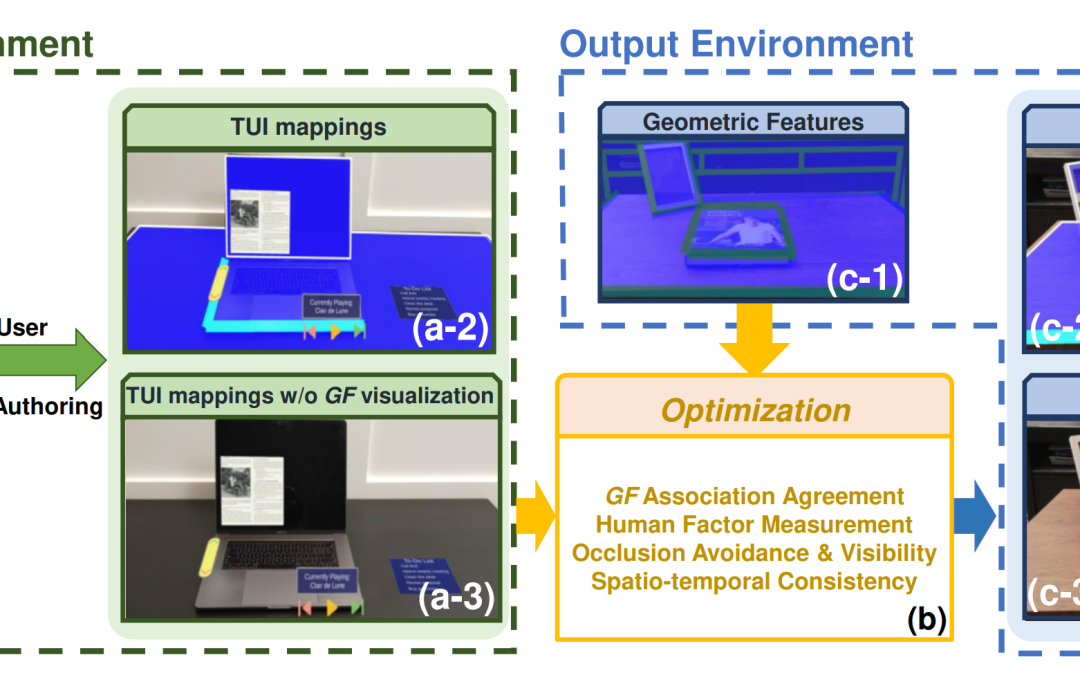
With the advents in geometry perception and Augmented Reality (AR), end-users can customize Tangible User Interfaces (TUIs) that control digital assets using intuitive and comfortable interactions with physical geometries (e.g., edges and...
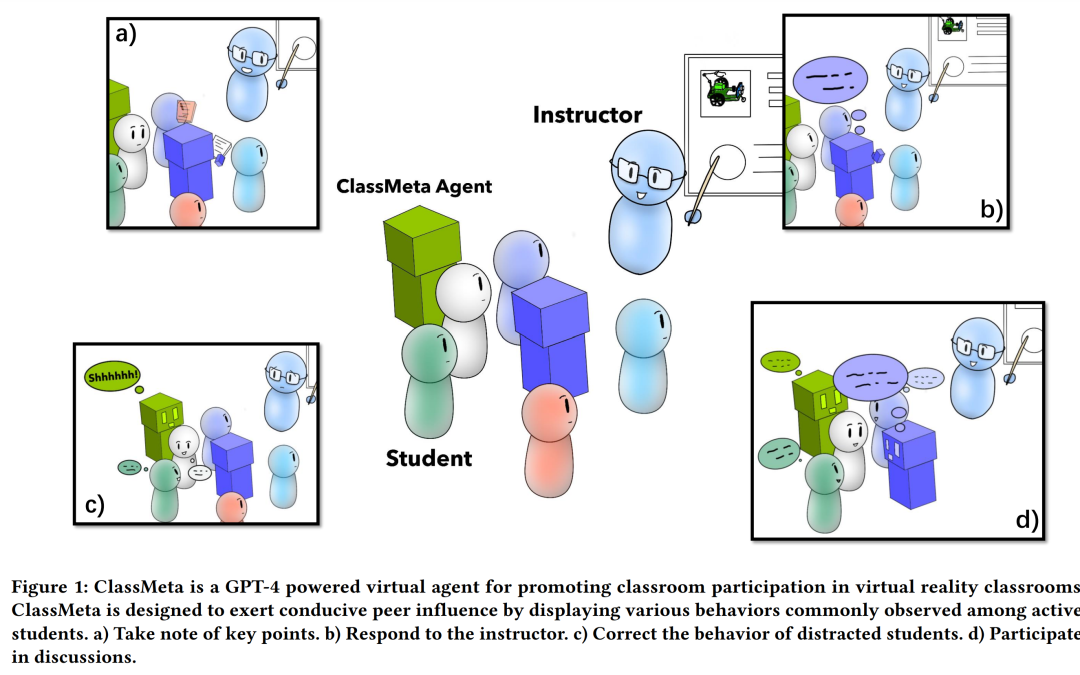
Peer influence plays a crucial role in promoting classroom participation, where behaviors from active students can contribute to a collective classroom learning experience. However, the presence of these active students depends on several...
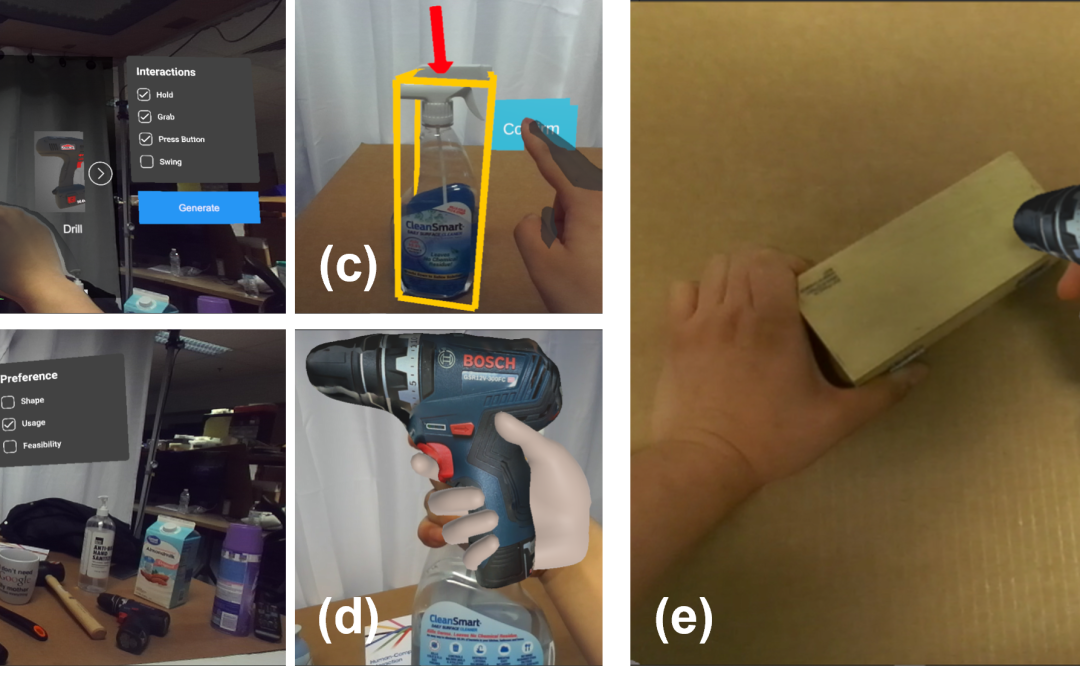
Utilizing everyday objects as tangible proxies for Augmented Reality (AR) provides users with haptic feedback while interacting with virtual objects. Yet, existing methods focus on the attributes of the objects, constraining the possible proxies...
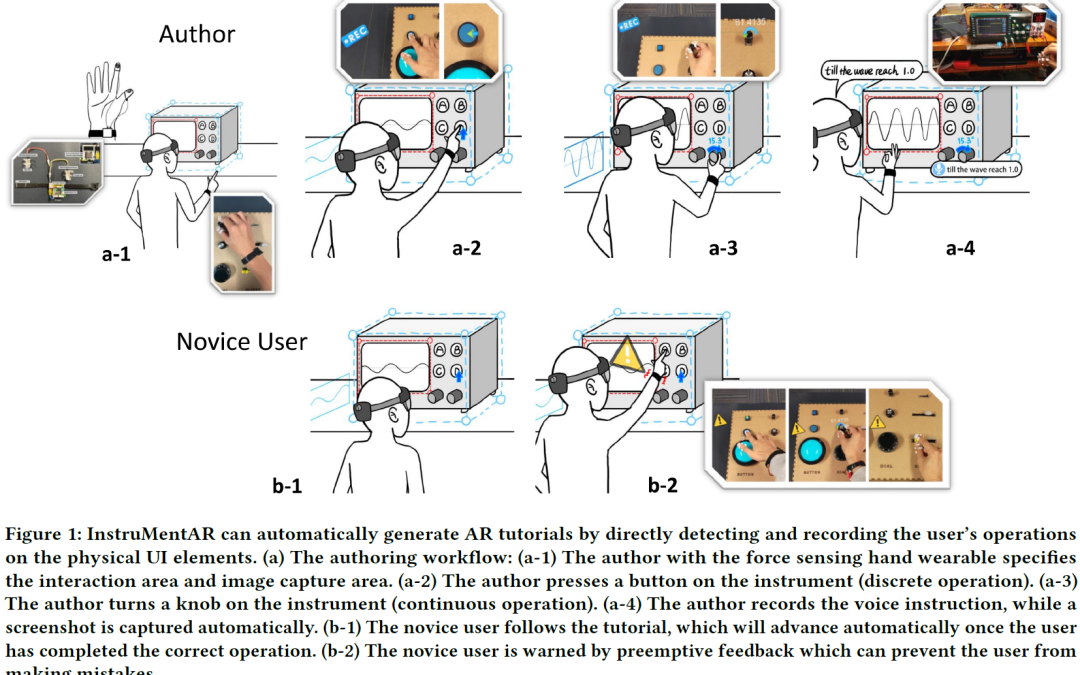
Augmented Reality tutorials, which provide necessary context by directly superimposing visual guidance on the physical referent, represent an effective way of scaffolding complex instrument operations. However, current AR tutorial authoring...
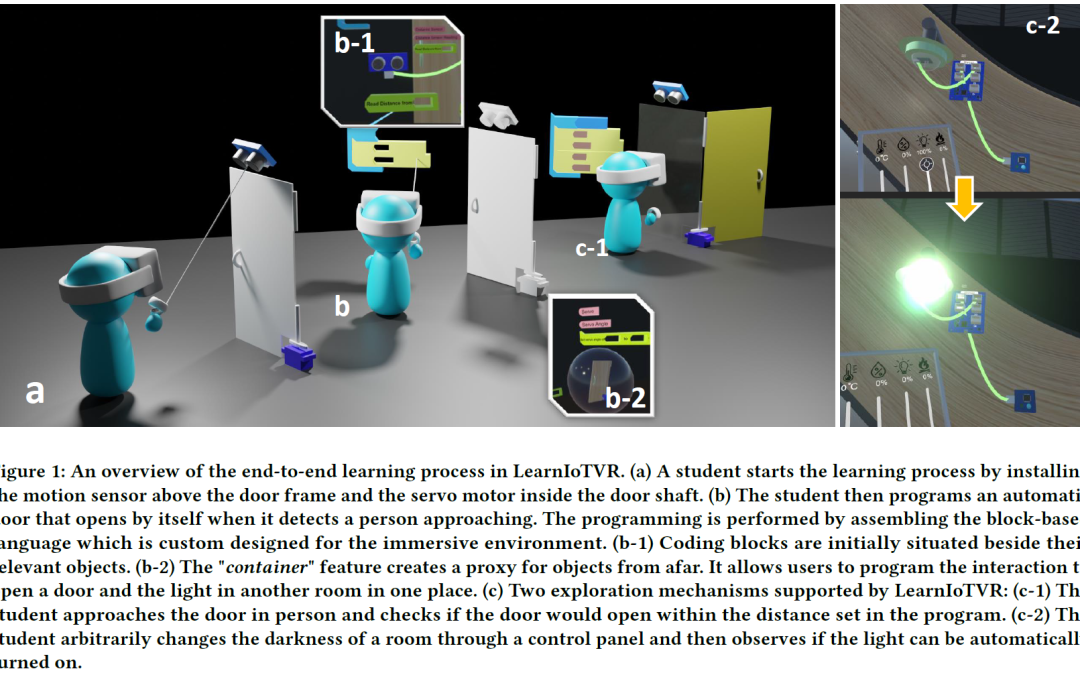
The rapid growth of Internet-of-Things (IoT) applications has generated interest from many industries and a need for graduates with relevant knowledge. An IoT system is comprised of spatially distributed interactions between humans and various...
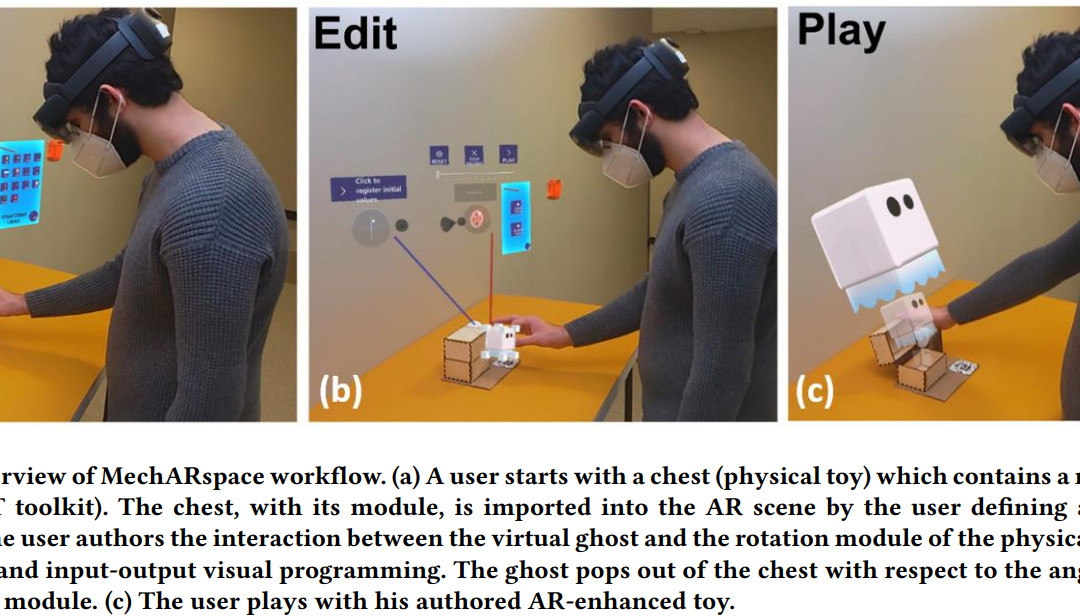
Augmented Reality (AR), which blends physical and virtual worlds, presents the possibility of enhancing traditional toy design. By leveraging bidirectional virtual-physical interactions between humans and the designed artifact, such AR-enhanced...