
International Refrigeration and Compressor Course (IRCC)
Based on cooperation between Professor Eckhard Groll from Purdue University (USA), and Professor Ullrich Hesse from Technical University (TU) Dresden (Germany), the "International Refrigeration and Compressor Course" has been successfully conducted for the second time during the summer 2017 since its start during the summer 2016. In this unique course, eight students from both universities are teamed up and participate in lectures, field trips and laboratory activities. The course covers topics on vapor compression cycles, including compressors, heat exchangers, and expansion devices, detailing how each component works individually, and together in a refrigeration system.
The course contains two separate event weeks for students from both universities. The first week of lectures were held in Dresden and Rottenburg, Germany. Students attended lectures given by Eckhard Groll, Ullrich Hesse, Christiane Thomas and Orkan Kurtulus, participated in lab demonstrations in TU Dresden, and toured the compressor manufacturing facility of Bitzer in Rottenburg, the Mahle Behr wind tunnel in Stuttgart, and facilities at the Schaufler Academy in Sindelfingen.
11-03-2018
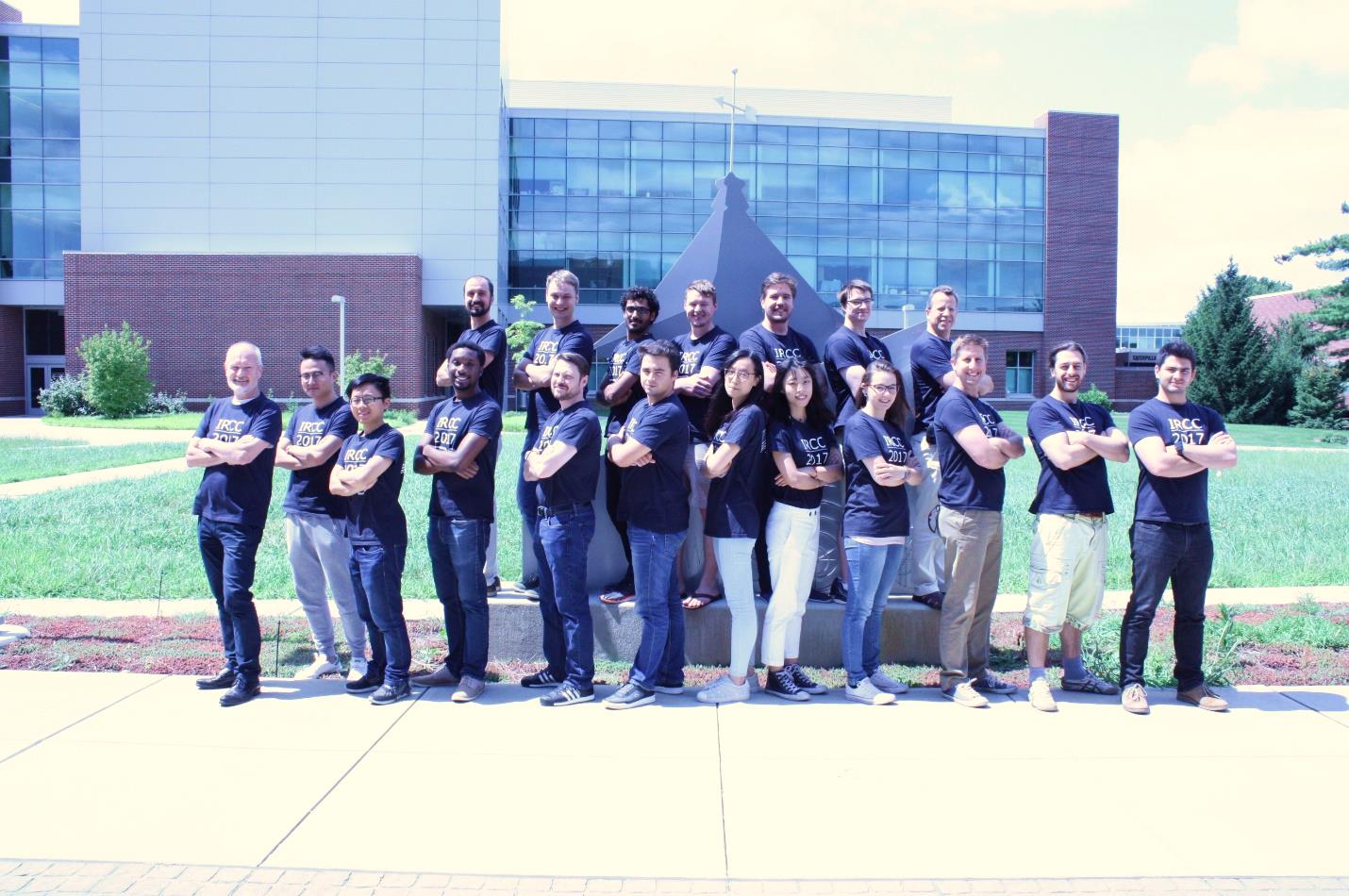
Participants and Instructors of IRCC 2017
A second week of instruction was held at the end of the summer at Purdue University in West Lafayette, Indiana. Lectures were given by the same lecturers, lab demonstrations were performed at the Ray W. Herrick Laboratories and a tour of the Emerson Helix Innovation Center in Dayton, Ohio was given.
Between both event weeks, the students were paired together as one TU Dresden and one Purdue University student, and tasked with designing a vapor compression system that served a given purpose, such as designing systems for simultaneous heating and cooling applications in milk production plants, providing cooling of a fish processing cold room using Ammonia as refrigerant, mobile refrigeration systems using CO2 as the refrigerant, and variable-speed cold climate heat pumps. A design was to be proposed, modeled, detailed with commercially available equipment, and evaluated for optimum operating conditions and based on safety concerns. As the student pairs were not in the same country in between the two event weeks, all collaboration was done online, through email, Skype, or other methods of communication. At the end of the US week, the students’ projects were presented and reviewed by their lecturers. This format allowed the students to look beyond the bounds of their academic studies, familiarize themselves with today's international project work, and make new international contacts.
The "International Refrigeration and Compressor Course" will take place again during the summer 2018, with more information available on the Ray W. Herrick Laboratories website.
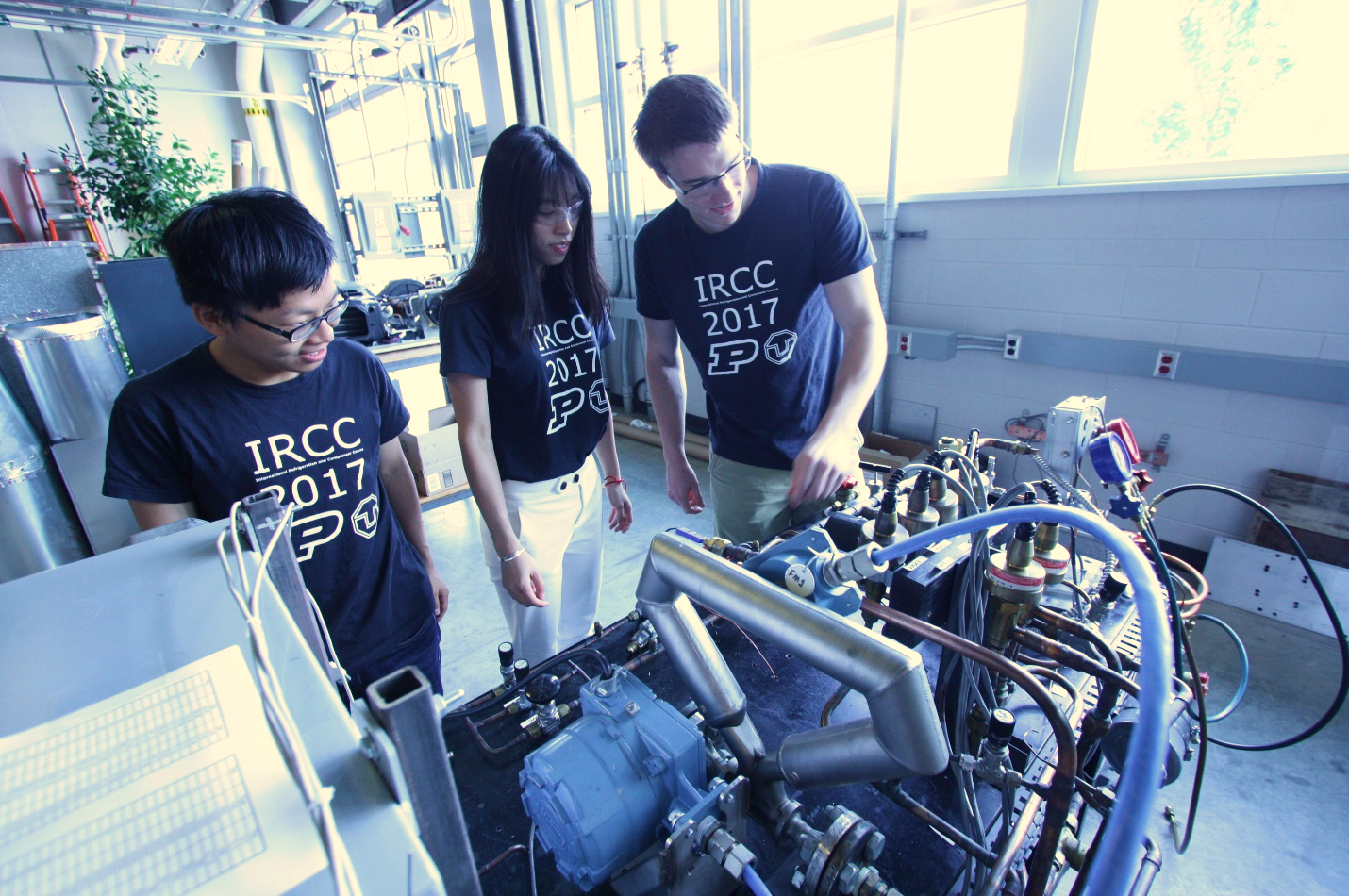
Participants working on hot-gas bypass compressor test stand
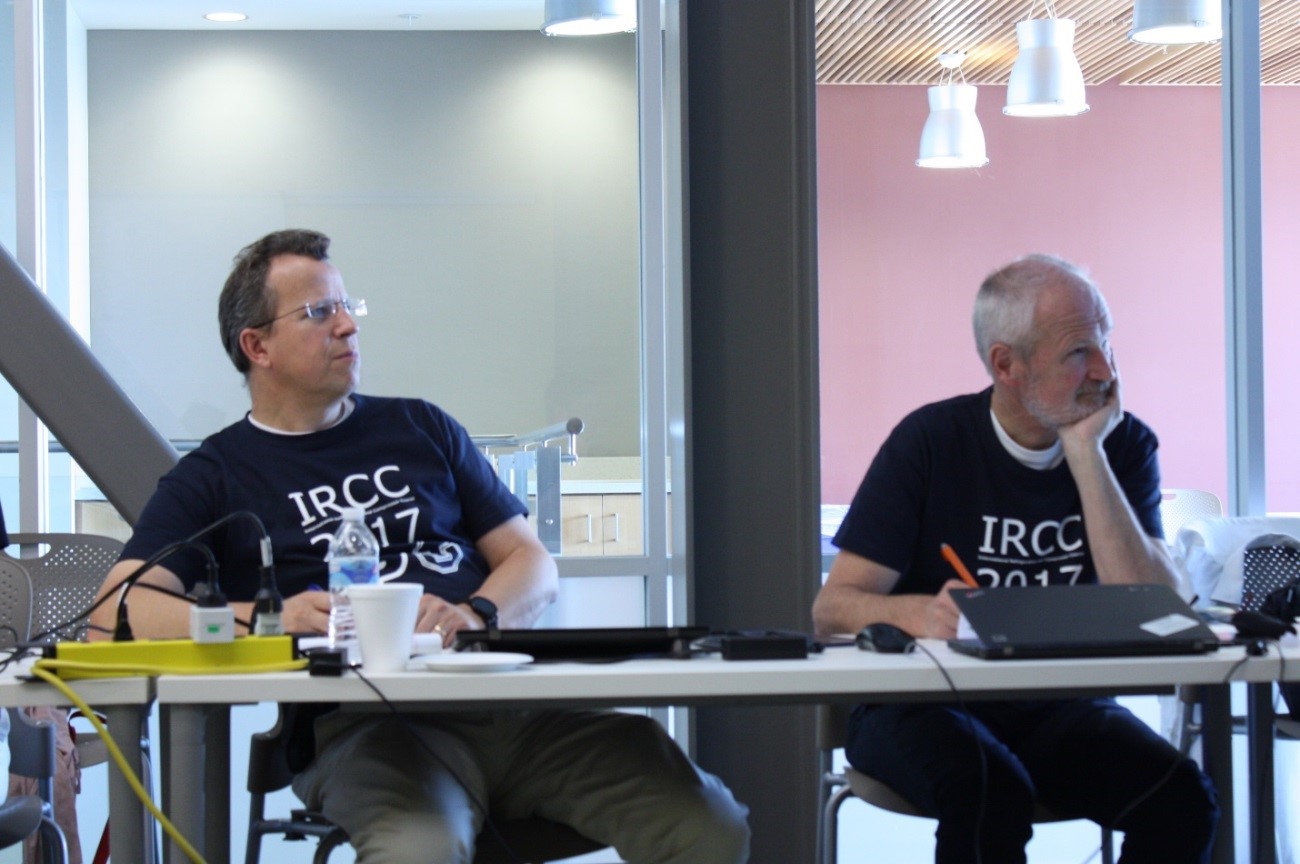
Prof. Groll and Prof. Hesse listening to project presentation
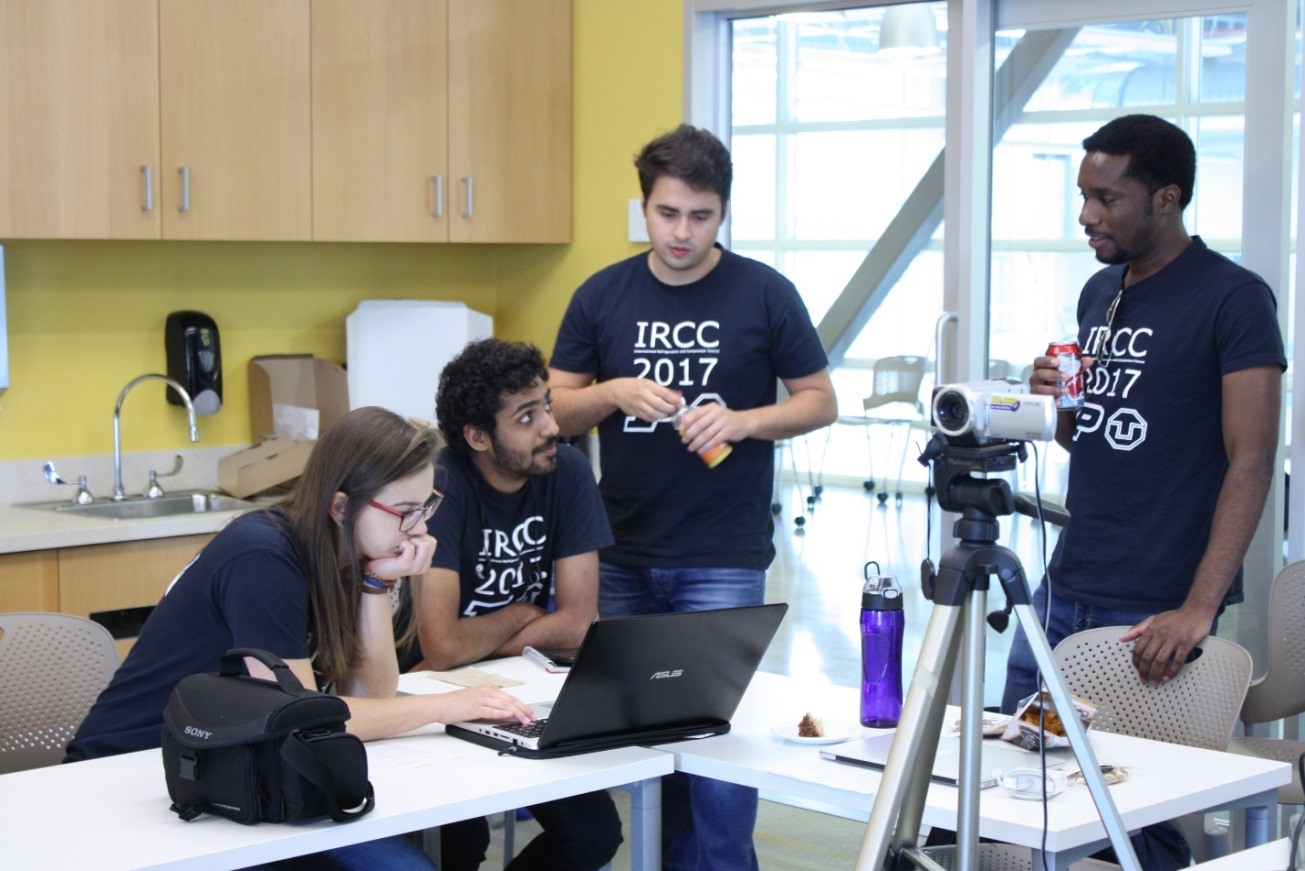
Participants reviewing project presentation