
Seminars in Hearing Research (04/23/26) - Meredith Christine Ziliak, PhD Candidate, BIO
Seminars in Hearing Research (04/23/26) - Meredith Christine Ziliak, PhD Candidate, BIO
Seminars in Hearing Research
Date: Thursday, April 23, 2026
Location: SMTH 208
Time: 12:00-1:00pm
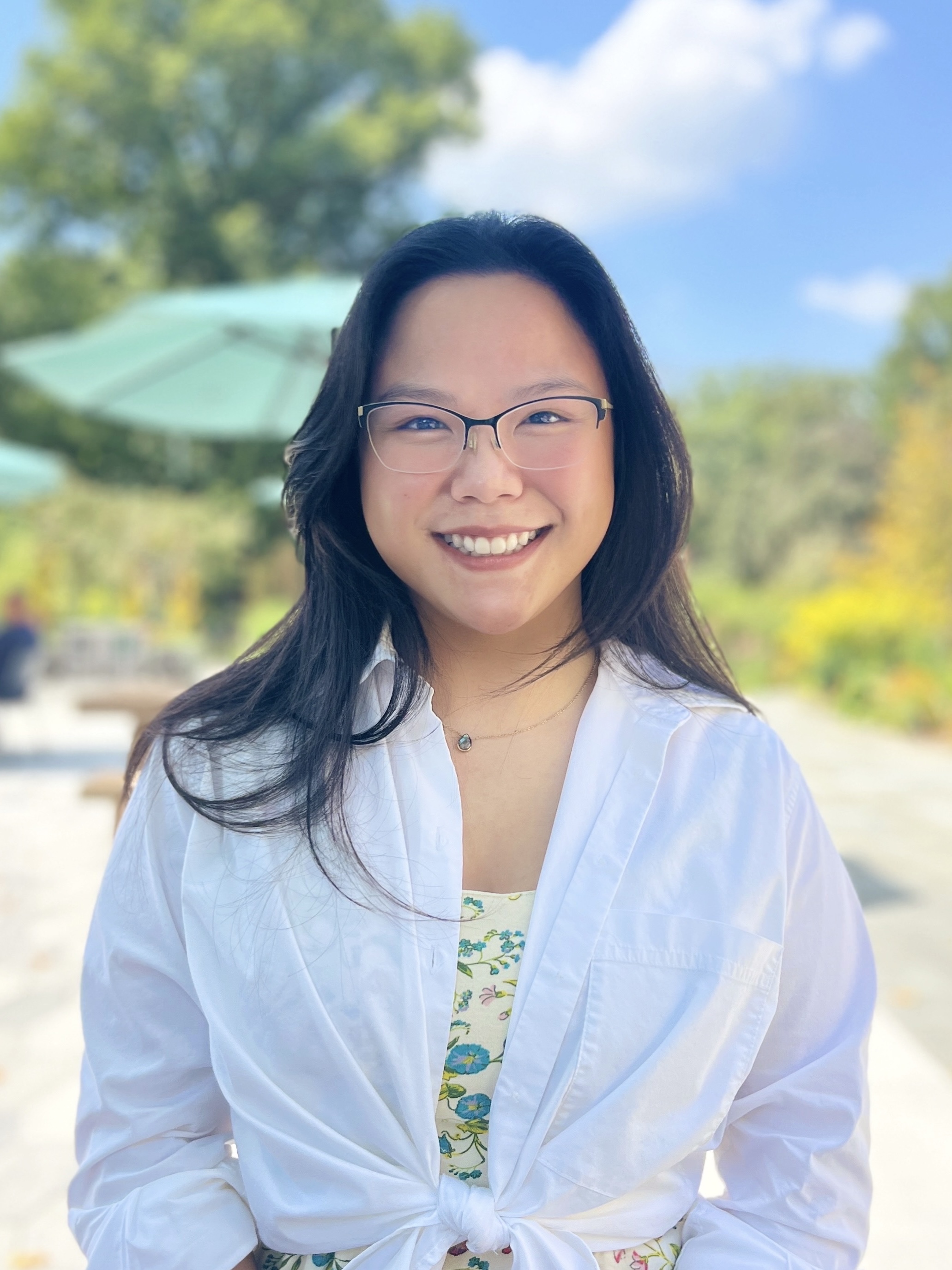
Speaker: Meredith Christine Ziliak, PhD Student, BIO
Title: Assessing Functional Damage and Adaptation in the Peripheral and Central Auditory Systems Following SAF Noise Exposure.
Abstract: Small arms fire (SAF) is a primary source of noise-induced hearing loss (NIHL) in military populations. Previous studies show SAF noise exposure results in elevated thresholds, loss of inner hair cell-auditory nerve synapses, and diminished suprathreshold auditory brainstem response (ABR) wave 1 amplitudes. Collectively, these results suggest that low spontaneous rate auditory fibers are selectively damaged (Altschuler et al., 2019; Furman et al., 2013). However, auditory features beyond the ABR remain poorly characterized, as few studies utilize concurrent assessments to develop a cohesive profile of SAF-induced functional pathology. Furthermore, current studies often focus on acute or chronic time points, omitting intermediate phases critical for understanding short-term physiological mechanisms of adaptation or recovery that precede chronic pathology. This study aims to characterize the longitudinal progress of SAF-NIHL using a rigorous diagnostic battery. F344 rats were exposed to a single, bilateral SAF noise at either overexposure or sham levels. Outer hair cell function was assessed using distortion product otoacoustic emissions (DPOAEs) and two channel auditory evoked potentials (AEPs), including ABRs, middle latency responses (MLRs), and envelope following responses (EFRs). Measurements were collected at baseline and on post-exposure days 7, 14, 28, and 56. Results show significant, though highly variable, threshold elevations, decreased DPOAEs, and reduced ABR wave amplitudes. Our findings demonstrate initial peripheral damage followed by evidence of central adaptation. Some measures also suggest potential windows for recovery. This presentation will discuss these longitudinal shifts and provide updated analyses, offering a more comprehensive understanding of the SAF-NIHL damage profile.
---
The working schedule is available here: https://purdue.edu/TPAN/hearing/shrp_schedule
The titles and abstracts of the talks will be added here: https://engineering.purdue.edu/TPAN/hearing/shrp_abstracts