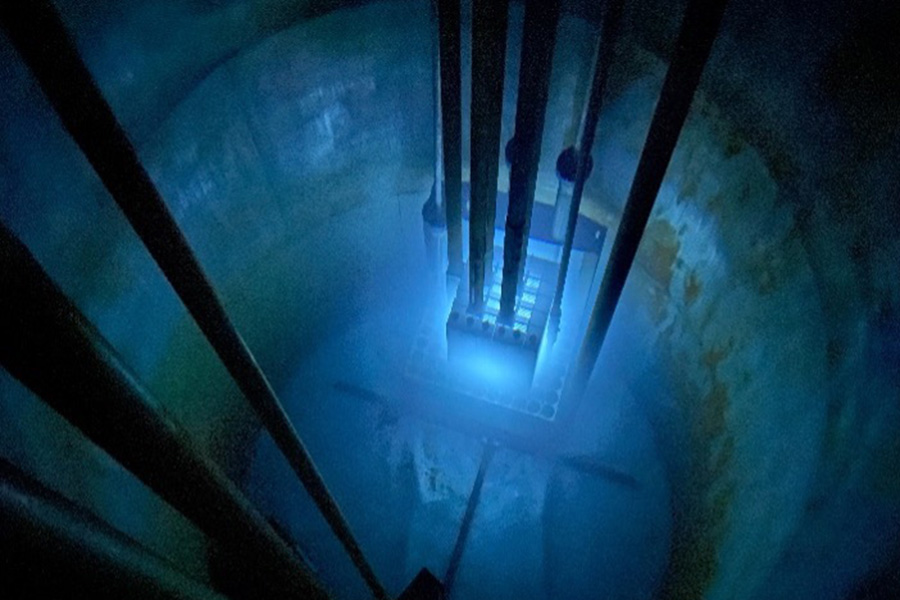
Purdue University Reactor Number One (PUR-1) is the first and only operating nuclear reactor in the state of Indiana. It is also the only facility licensed by the U.S. Nuclear Regulatory Commission (NRC) to operate with a fully digital safety and control system, placing it at the forefront of research reactor innovation. As one of 25 university research reactors in the United States, PUR-1 is recognized as part of the nation’s critical research infrastructure.
Mission and Impact
The primary mission of PUR-1 is education and workforce development—training the next generation of nuclear engineers and radiation science professionals. The reactor provides hands-on instruction that bridges classroom theory with real-world reactor operations, safety systems, and regulatory practices.
Beyond education, PUR-1 serves as a neutron source for neutron activation analysis and other research applications. Its capabilities support a wide range of disciplines, including engineering, health sciences, chemistry, pharmacy, agriculture, biology, and nanotechnology. Purdue is an active member of the National Organization of Test, Research, and Training Reactors (TRTR), a consortium dedicated to supporting and advancing university reactor facilities nationwide.