November 22, 2019
New safety recommendations for culvert repair released
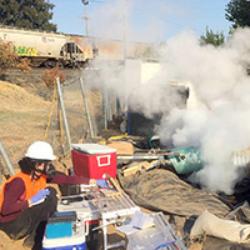
Communities across the U.S. rely on drainage culverts to keep roadways safe. While these buried structures cross streams and divert water from roadways, many are in need of repair. Unexpected culvert failures can disrupt traffic, damage the environment and nearby property, and can even be fatal. Two popular methods used to repair damaged culverts are called spray-on lining and cured-in-place-pipe (CIPP) lining. Both practices involve the outdoor manufacture of a new plastic liner – at the existing culvert. Because both practices bring raw chemicals onsite, environmental contamination, fish kills, and downstream drinking water contamination has occurred. Potentially hazardous conditions can be also created near the worksite during the plastic manufacture repair process, the research shows.