
Seminars in Hearing Research (10/15/26) - Megan Cunningham, AuD Student, SLHS
Seminars in Hearing Research (10/15/26) - Megan Cunningham, AuD Student, SLHS
Seminars in Hearing Research
Date: October 15, 2026
Location:NLSN 1195
Time: 12:00-1:00pm
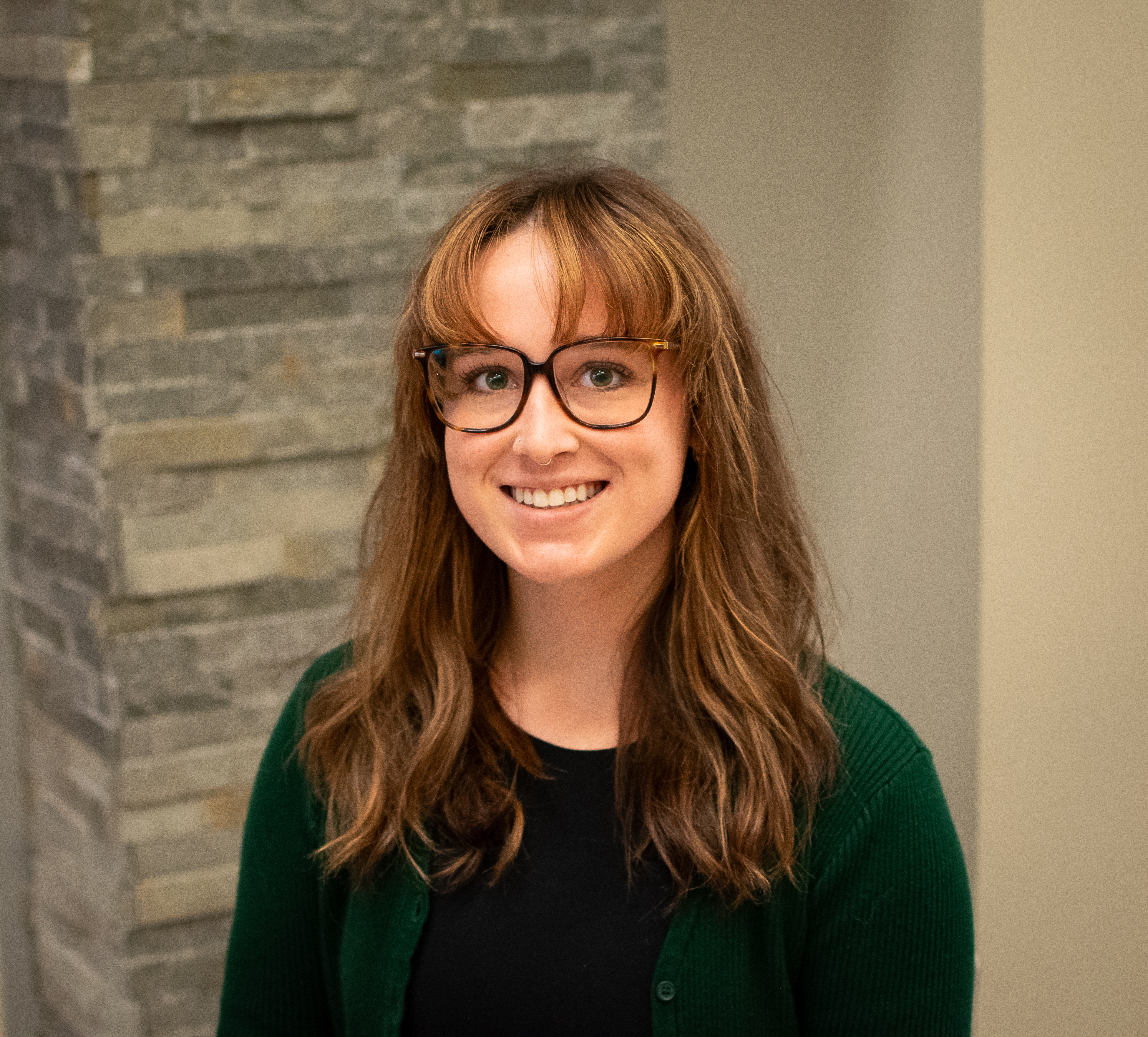
Speaker: Megan Cunningham, AuD Student, SLHS
Title: Acoustic trauma causes changes in IL-33 cellular location.
Abstract: IL-33 is a cytokine in the IL-1 family that is stored in the nucleus then released into the cytoplasm and extracellular space upon tissue damage. Free IL-33 binds to its receptor (ST2) forming the IL-33-ST2 alarmin pathway. Previous work has shown that IL-33 is present in cells of the inner sulcus of the cochlea, however little is known about its existence in other cell types and its role in response to tissue damage. Through cochlear histology, we observed the release of IL-33 into the extracellular space upon tissue damage at one day post noise exposure and little change in the number of IL-33 positive nuclei compared to non-noise exposed controls. In other systems, extranuclear IL-33 expression is not generally expected beyond one day. In the cochlea, at one week post noise exposure, a reduction in IL-33 positive nuclei and persistent, diffuse cytoplasmic expression was observed. Our findings suggest that at baseline IL-33 is confined to the nucleus, and at one day post noise exposure cellular location changes. Pillar cells show cytoplasmic IL-33, indicating that more cells participate in IL-33 signaling. IL-33 stays elevated for longer than one day, which may indicate an ongoing trigger for IL-33 signaling after acoustic trauma and could prevent the resolution of inflammation as in other tissues. Additionally, auditory brainstem response and acoustic startle response testing was conducted one day and one week after exposure to correlate auditory thresholds with IL-33 immunofluorescence. Understanding the timeline of IL-33 expression after acoustic trauma may help to identify targets for the development of anti-inflammatory interventions with the goal of preventing or mitigating noise-induced hearing pathologies.
---
The working schedule is available here: https://purdue.edu/TPAN/hearing/shrp_schedule
The titles and abstracts of the talks will be added here: https://engineering.purdue.edu/TPAN/hearing/shrp_abstracts