
Seminars in Hearing Research (09/03/26) - Damen Wilson, MD/PhD Candidate, BME
Seminars in Hearing Research (09/03/26) - Damen Wilson, MD/PhD Candidate, BME
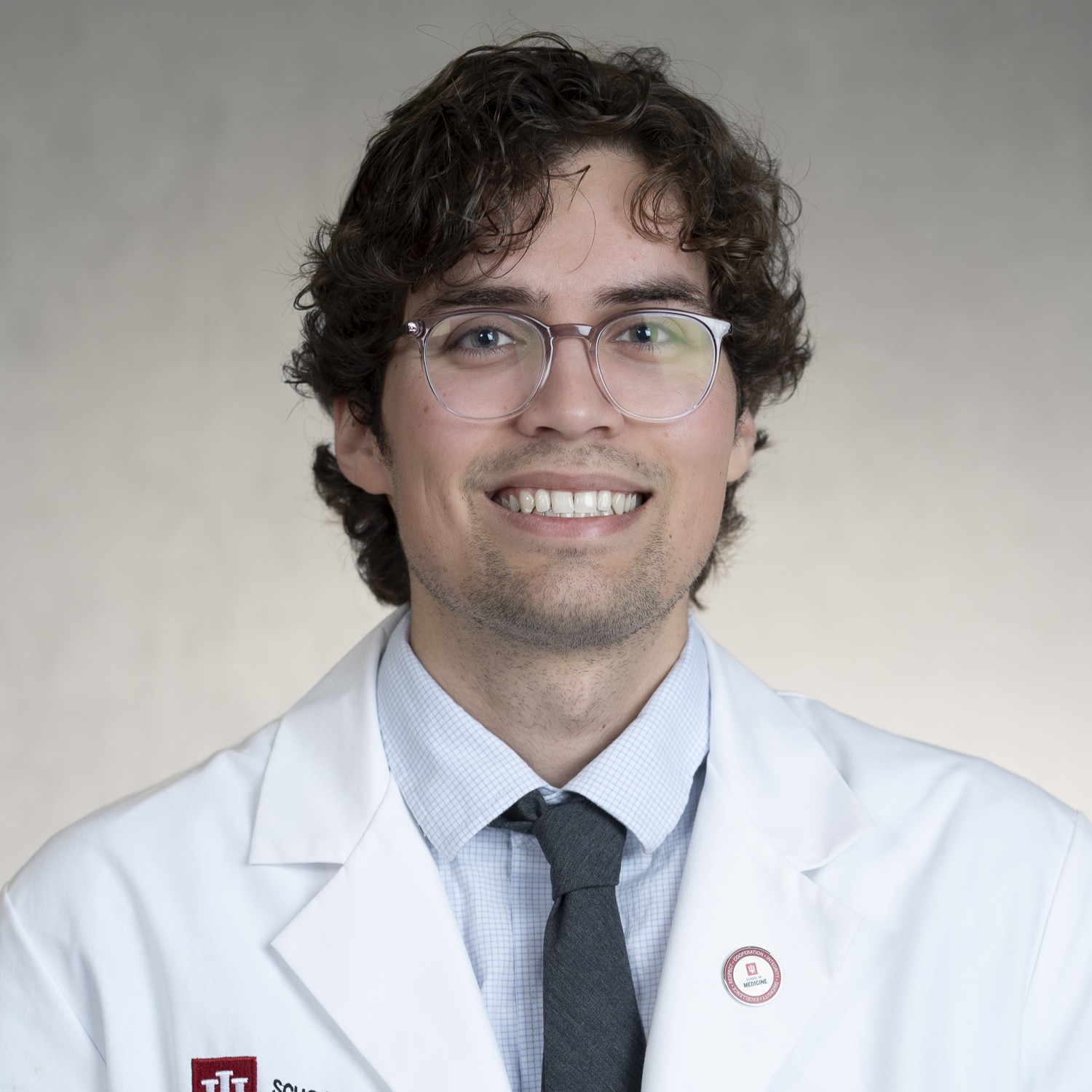
Seminars in Hearing Research
Date: September 03, 2026
Location: NLSN 1195
Time: 12:00-1:00pm
Speaker: Damen Wilson, MD/PhD Candidate, BME
Title: Toward Personalized Vagus Nerve Stimulation for Tinnitus: A Physiology Guided Multimodal Approach.
Abstract: Tinnitus affects 10-15% of the population and can substantially disrupt sleep, mental health, and quality of life. Current treatments often provide inconsistent or modest relief because both tinnitus and nervous system responses differ between individuals. Recently, paired auditory and electrical trigeminal nerve stimulation has received FDA approval, yet this therapy remains inconsistent (up to 25% do not show improvement). Noninvasive transcutaneous auricular vagus nerve stimulation (taVNS) has shown similar, less-than-optimal results as trigeminal stimulation, but has the added benefit of sympathetic stress reduction. A key barrier to progress with the taVNS technique is an inability to induce consistent and predictable physiologic changes with stimulation, as there is an absence of personalized frameworks that can tune stimulation parameters to an individual’s unique physiological state, perceptions, and comfort. We developed a research platform to personalize taVNS by combining ear based stimulation with real-time measures of brain and body responses. The system synchronizes brain activity and oxygenation, pupil size, heart rate variability, skin conductance, gastric activity, blood pressure and brief surveys of comfort and perception. Additionally, calibrated earphones standardize sound presentation, while a personalization algorithm identifies settings that balance physiological response and participant comfort. Our ongoing studies are comparing forms of stimulation: electrical based (traditional), and thermal and vibration based (novel). The goal of this work is to move away from a "one-size-fits-all" approach and toward personalized medicine. This work is a vital step toward creating a new generation of wearable devices that can provide predictable, life-changing relief for the tinnitus community.
---
The working schedule is available here: https://purdue.edu/TPAN/hearing/shrp_schedule
The titles and abstracts of the talks will be added here: https://engineering.purdue.edu/TPAN/hearing/shrp_abstracts