
Seminars in Hearing Research (01/29/26) - AuD EBP Talks by Hannah Schafer and Annika Schenkel
Seminars in Hearing Research (01/29/26) - AuD EBP Talks by Hannah Schafer and Annika Schenkel
Seminars in Hearing Research
Date: Thursday, January 29, 2026
Location: SMTH 208
Time: 12:00-1:00pm
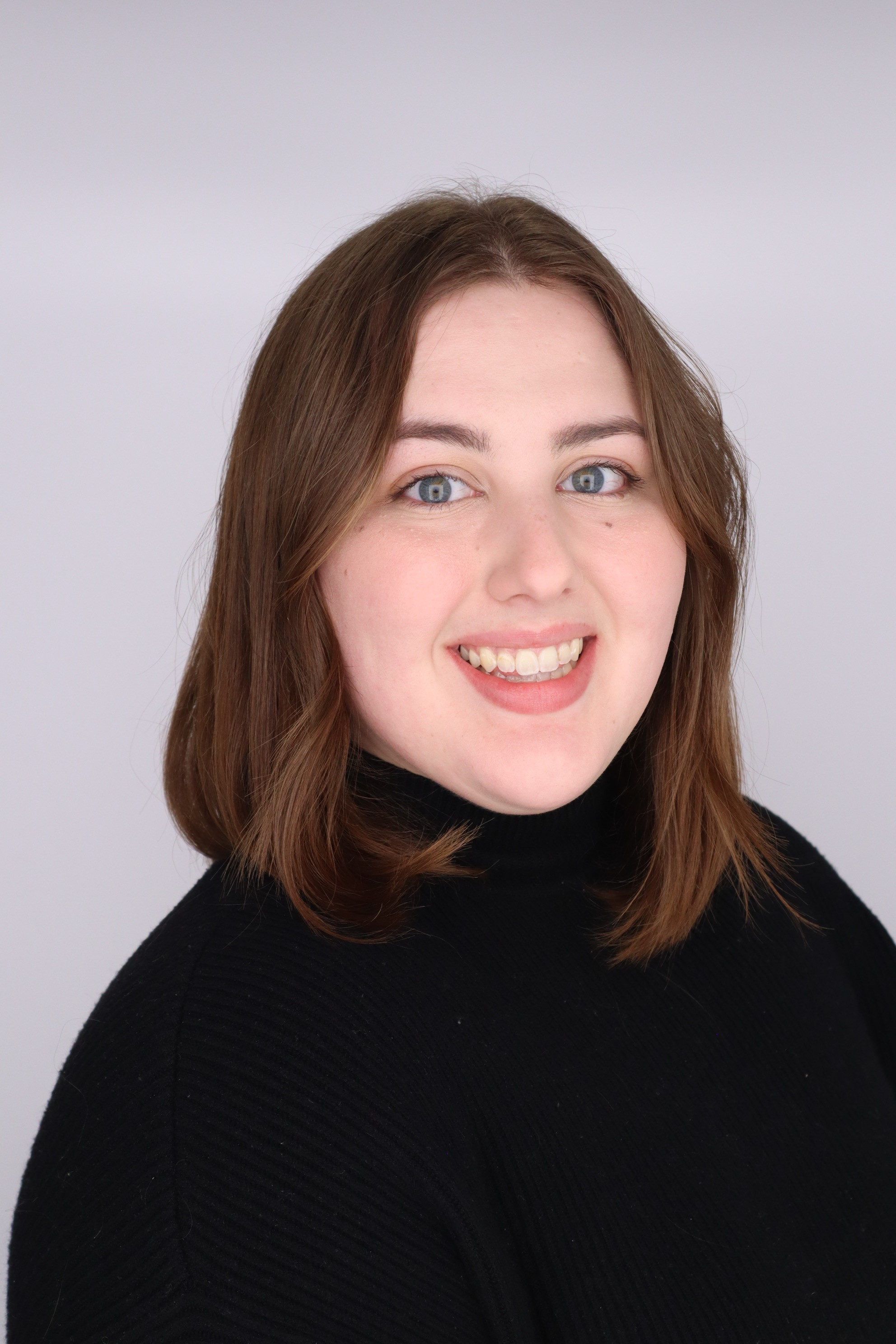
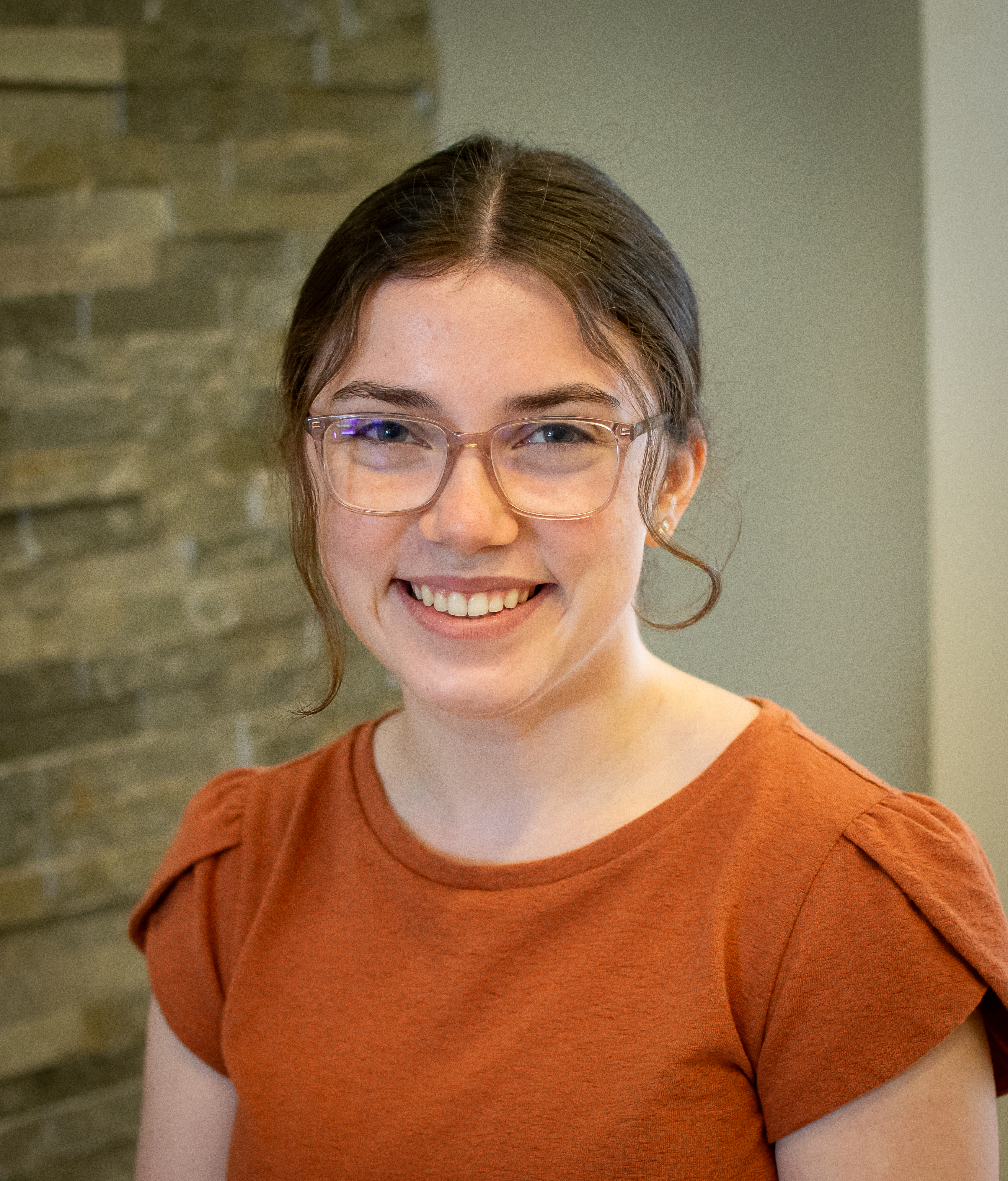
Speaker(s): AuD EBP Talks by Hannah Schafer and Annika Schenkel
Title: Presenter: Hannah Schafer. "Evaluating Current Indiana Newborn Screening Protocols for Cytomegalovirus"
Abstract: Evaluating Current Indiana Newborn Screening Protocols for Cytomegalovirus investigated Indiana’s current newborn screening framework for cytomegalovirus (CMV), the most common infectious cause of birth defects in the United States. A survey regarding CMV screening protocols was distributed to Indiana birthing facilities by the Indiana State Department of Health Early Hearing Detection & Intervention team. Survey results were compiled to assess current protocols Indiana birthing facilities are using. After comparing available protocol data, identifying what birthing hospitals are currently doing can help assess if uniformity exists or if a more standardized CMV screening protocol is needed. The purpose of this study was to analyze Indiana’s existing CMV screening framework, identify barriers to implementation of universal screening, and benchmark outcomes against Minnesota’s universal CMV screening model.
Title: Presenter: Annika Schenkel. “Clinical Audible Contrast Threshold (ACT) Efficacy in Measuring SNR Loss”
Abstract: This study aims to examine the audible contrast threshold (ACT) test and its accuracy measuring signal-to-noise ratio (SNR) loss. Difficulty understanding speech-in-noise is a chief complaint for many people with hearing loss and has traditionally been measured with tests that mimic real-world scenarios. However, the lack of language neutrality associated with the aforementioned tests poses a problem for many patient populations including non-native English speakers, individuals with speech production disorders, and those who struggle with working memory. The audible contrast threshold test was created to circumvent this problem by creating a universal, binaural testing modality of SNR loss that involves subjects detecting a spectro-temporal modulation amid background noise. In assessing the test-retest reliability of the ACT test and comparing signal-to-noise ratio scores between the ACT and QuickSIN, this study aims to assess the efficacy of the audible contrast threshold test as a clinical tool using clinical-grade equipment. When developing the ACT, researchers used Matlab software; laboratory testing was divided into two studies. Study A included 28 subjects ages 46-82 with symmetric hearing losses of varying degrees while study B tested 25 participants aged 18-25 with normal hearing. Speech-in-noise testing performance was not included in inclusion criteria. Potential subjects for the present study were recruited for a broader study to undergo a comprehensive hearing evaluation including the Quick Speech-in-Noise test and ACT. ~ 250 subjects completed the test battery, all were 18 or older, neither native language nor hearing status were recruitment considerations, though non-native English speakers were analyzed separately in some cases. Testing took place at the Purdue University Main Campus and at the Accessible Precision Audiology Research Center (APARC) in Indianapolis. Results of this study found a practice effect when comparing two trials of the ACT on the same subject, which suggests that one trial alone may not be sufficient for diagnostic testing. Additionally, comparing ACT results averaged over two trials to binaural QuickSIN results suggest that an abnormal ACT score is not predictive of an abnormal QuickSIN score. As such, despite the novelty of a language-neutral test, the GSI version of the ACT test is not a sufficient replacement for clinical speech in noise tests like the QuickSIN
---
The working schedule is available here: https://purdue.edu/TPAN/hearing/shrp_schedule
The titles and abstracts of the talks will be added here: https://engineering.purdue.edu/TPAN/hearing/shrp_abstracts