
Professor Wenzhuo Wu receives new patent for wearable TENG technology.
Wenzhuo Wu and his research team have developed a form of self-powered wearable triboelectric nanogenerators to be used in monitoring cardiovascular health.
Edwardson School of Industrial Engineering Professor Wenzhuo Wu has received a new patent. Wu’s team has developed a wearable form of technology to monitor cardiovascular health. This invention aims to fulfill a need for more personalized, on-demand heart trackers, using self-powered wearable triboelectric nanogenerators (TENG) with polyvinyl alcohol (PVA) based contact layers.
Typically, cardiovascular health is monitored via electrocardiogram (ECG) or photoplethysmography (PPG), signaling tools that measure electrical activity in the heart or changes in blood volume in the peripheral microvasculature, respectively. However, many of these procedures are invasive and harder to access, especially when it comes to involving medical professionals. Wearable TENG technology gives patients an easily accessible, self-oriented form of cardiovascular monitoring, opening the door to a wide range of therapeutic and diagnostic applications.
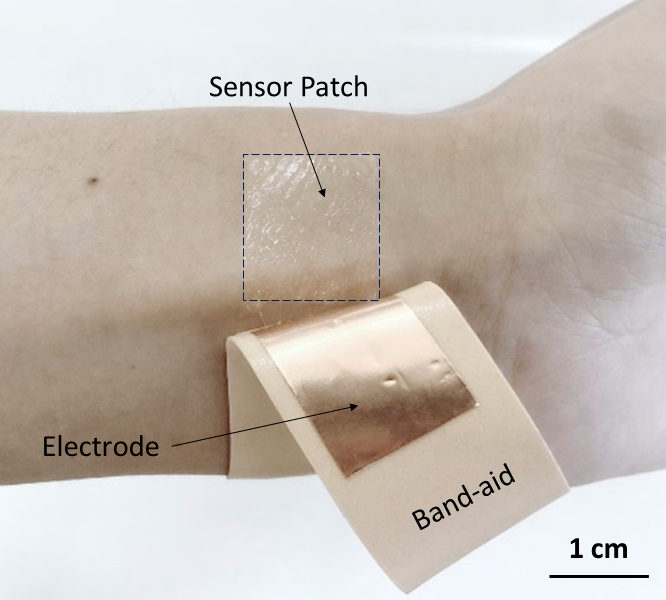
Beyond the inherent benefits of this patent, the specific composition of the technology optimizes readouts, disease detection, and material compatibility. The incorporation of PVA contact layers alone provides quicker insights into blood ejection, reflection, and rejection in the body. To develop this, the research team determined the optimal PVA composition by verifying molecular structure, analyzing dielectric constants to enhance energy-harvesting capability, and ultimately selecting the best percent by weight of PVA. This in-depth analysis paid off when the device accurately measured human heart pulse waveforms continuously.
Applications of this device can extend beyond the medical field, including electronic integrations in virtual reality, robotics, and other human-machine interfaces. With so much potential in this technology, Wu and his team aim to further develop it, and exploring the possibilities of this TENG-PVA solution.