
Hyesun Chung studies what happens when AI becomes part of the team
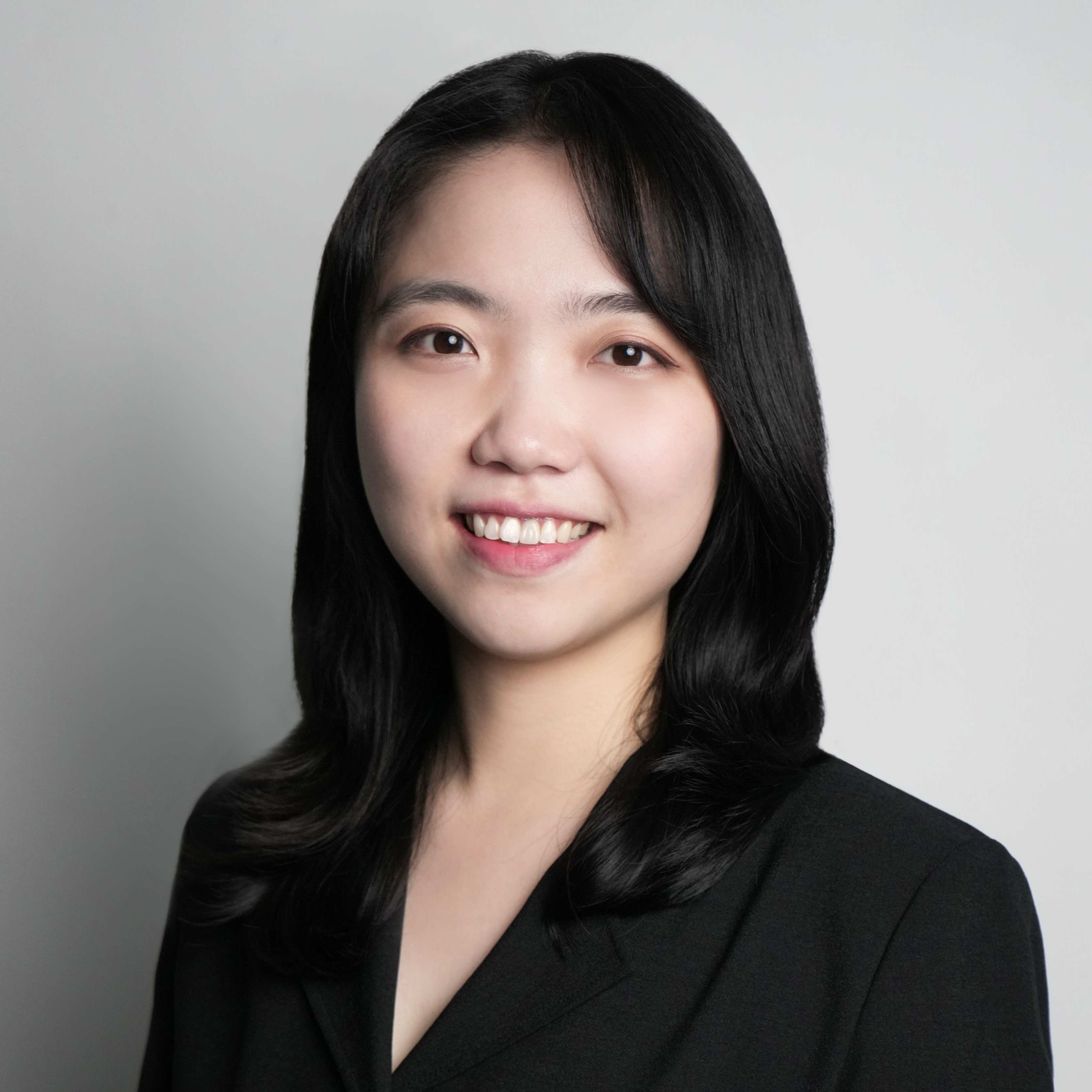
Assistant Professor, Hyesun Chung
Hyesun Chung, assistant professor in the Edwardson School of Industrial Engineering, is studying how people work together when artificial intelligence becomes part of the team. Her research looks at how trust, individual differences and leadership affect collaboration when multiple people work alongside multiple AI agents.
Chung’s research has received multiple recognitions, most recently the George E. Briggs Dissertation Award from APA Division 21 and the Best Student Paper Award from the Human-AI-Robot Teaming (HART) Technical Group at the 2026 HFES ASPIRE Conference. These recent honors highlight the impact of her doctoral research as she begins her faculty career at Purdue.
The question her research asks: How does teamwork change when AI takes on a role beyond simply being a tool? Much of the existing research has focused on one person interacting with one AI agent. But as AI becomes more capable, Chung examines what happens when those interactions expand to include a larger team.
For example, what happens when one AI agent makes a mistake? Does a person lose trust in that agent alone, or does that experience affect their trust in the other AI agents on the team? Chung’s research examines competing explanations. People may view the agents as a group, allowing one agent’s failure to affect how they view the others. Or they may focus on the differences between the agents, judging one against another.
Adding more people brings another set of questions. Their own experience can shape a person’s trust in AI, but also by the opinions and experiences of their coworkers. Two people who work well together may respond very differently when an AI teammate is added, changing how the team makes decisions.
But what causes people to lose that trust? In one experiment involving two people and two AI agents, Chung expected participants to become more frustrated with an AI that made obvious mistakes or failed to remember information. Instead, she found that participants were more sensitive to whether the AI followed their instructions and did what it said it would do.
For example, an AI agent might tell a person it is going to search for something, then provide an answer that does not reflect that stated plan. Even if the AI is capable of completing the work, that gap between its stated intention and its actual behavior can undermine trust. Participants wanted to understand what the AI was going to do and maintain control over its actions.
“People are more sensitive to the integrity part of the AI,” Chung said, referring to how well the AI adheres to the human input.
Trust also changes differently from one person to another. Some people respond to an AI mistake with a small decrease in trust, considering its previous performance. Others experience larger changes, placing more weight on the most recent interaction. Understanding those differences could help designers develop systems that respond to the needs of individual users.
How does Chung study these interactions? Surveys and reviews of existing research help her identify questions to investigate. She then develops experiments that allow participants to work with other people and simulated AI teammates. Along with asking participants about their experiences, she studies their behavior, including how often they communicate and how long it takes them to respond. Eye tracking can help show where participants direct their attention during the task.
The structure of the team matters as well. In a recent study, Chung found that human leaders still preferred working with human followers, even when those followers were less accurate than their AI counterparts. The leaders expected people to be flexible and believed there could be a justifiable reason for a person to deviate from an instruction. Her next question considers what happens when those roles are reversed and AI takes on a leadership role, assigning tasks to human teammates.
This work could help guide decisions in manufacturing, warehouses and healthcare. For a warehouse, that could mean determining how work should be divided between people and automated vehicles. In healthcare, it could help identify which parts of daily health coaching could be supported by AI and when a person should intervene.
For Chung, preparing for that future starts with understanding people. AI can miss the unwritten expectations and relationships that shape how a team operates, including which part of a project matters most to a supervisor. Her research aims to help determine how people and AI should be grouped, what roles they should take and what training people need to work effectively together.