
2026-05-27 11:30:00 2026-05-27 12:30:00 America/Indiana/Indianapolis 2026 YESS Seminar Quantum Computing Systems Architecture Dongyang Li. Ph.D. Student GRIS 134
2026 YESS Seminar
Quantum Computing Systems Architecture
ABSTRACT
Quantum computing platforms includes superconducting, trapped-ion, photonic, and neutral atom systems. They exhibit fundamentally different architectural characteristics, maturity levels, and development trajectories. This diversity creates challenges for system-level decision-making, particularly in comparing alternatives under uncertainty and limited data.
This research develops a decision-centric framework for quantum computing architecture evaluation grounded in systems engineering principles. The approach extends the Decision Analysis Data Model (DADM) to integrate (i) Technology Readiness Levels (TRL) for quantifying technology maturity, (ii) COSYSMO-inspired cost and schedule estimation to assess development effort, and (iii) a structured survey instrument designed to elicit expert judgments on platform capabilities and trade-offs.
To enable early-stage validation, the framework is applied to a set of representative “toy” decision problems that capture key architectural trade-offs across quantum platforms (e.g., scalability, control complexity). These problems provide a controlled environment to evaluate the consistency, traceability, and explanatory power of the proposed method.
The expected outcome is a systematic and extensible decision-support framework that supports transparent comparison of quantum computing technologies and helps bridge the gap between emerging quantum hardware and established systems engineering practices.
BIOGRAPHY
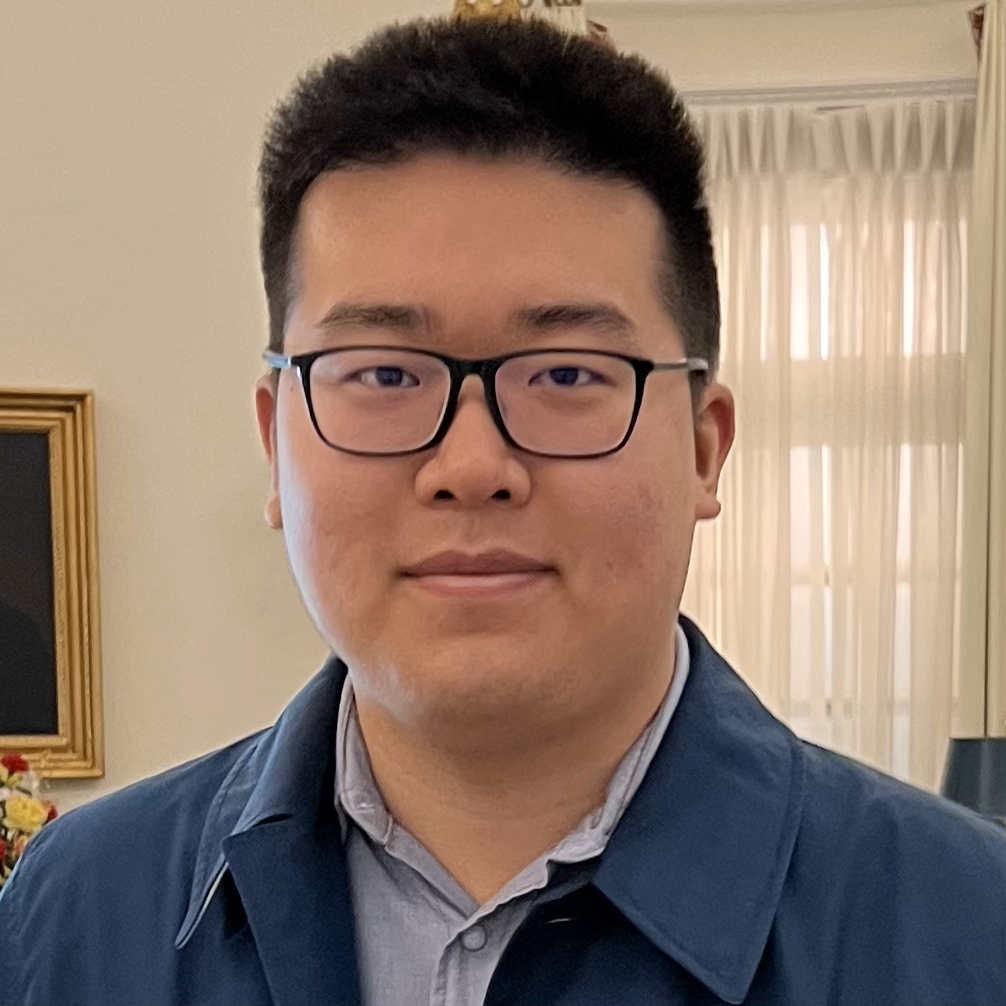
Dongyang Li is a Ph.D. student in the School of Industrial Engineering at Purdue University. His research focuses on systems architecture and decision analysis for emerging technologies, with an emphasis on quantum computing systems.
He works on extending the Decision Analysis Data Model (DADM) in tools such as Innoslate to support technology evaluation, trade-off analysis, and architecture design under uncertainty. Dongyang is also involved in interdisciplinary quantum research initiatives and has contributed to projects in quantum education, systems engineering, and decision modeling.