
2026-04-08 11:30:00 2026-04-08 12:30:00 America/Indiana/Indianapolis CARE Seminar Series - From Surgical Copilots to World Models: Predictive AI and Robotics for Cardiac Surgery Jacques Kpodonu, M.D., Professor of Surgery, Harvard University ~ INDIANAPOLIS ~ UL 0130 Lilly Auditorium
CARE Seminar Series - From Surgical Copilots to World Models: Predictive AI and Robotics for Cardiac Surgery
UL 0130 Lilly Auditorium

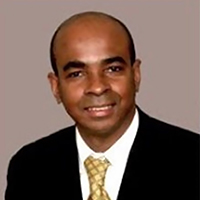
ABSTRACT
Robotic cardiac surgery is poised to evolve from mechanical precision to predictive intelligence, where systems can anticipate, guide, and safeguard critical moments in real time. However, the operating room (OR) still lacks trustworthy intraoperative artificial intelligence (AI) frameworks that integrates console video, robotic telemetry, imaging, and physiology into timely guidance and alerts aligned with surgical decision-making. Small deviations in workflow or situational awareness can escalate into clinically meaningful delays, higher cognitive load, and preventable variability at the most time-sensitive steps. This talk will outline a roadmap from surgical AI copilots to surgical world models, emphasizing clinically meaningful capabilities such as anticipatory guidance, deviation-aware alerts, and reliability-gated assistance that can be safely integrated into robotic workflows. Based on our case studies in workflow forecasting (SAFE-TMVP Copilot) and delay-aware motion stabilization (HeartSync), the talk will identify the data, modeling, and validation requirements needed to translate predictive AI into real-time, surgeon-trustworthy systems. Looking forward, we will discuss how multimodal generative SurgWorld models can enable simulation-based “what-if” reasoning, proactive risk estimation, and constrained planning and control, while maintaining calibrated uncertainty and rigorous clinical validation. Ultimately, the goal is an AI-powered robotic ecosystem that augments surgical teams, reduces unwarranted variability, and helps scale high-quality cardiac procedures across diverse institutions and patient populations.
BIOGRAPHY
Dr. Jacques Kpodonu is a board-certified cardiac surgeon and scientist at Beth Israel Deaconess Medical Center and an Assistant Professor of Surgery at Harvard Medical School. He also completed leadership training at the Harvard T.H. Chan School of Public Health. His clinical work focuses on structural heart disease, hypertrophic cardiomyopathy and his research is focused on AI and Robotics
An NIH‑funded investigator, Dr. Kpodonu’s research lies at the intersection of cardiac surgery, data science, and global health, with a central aim of addressing cardiovascular health disparities. He has published widely on outcomes‑based cardiovascular care in emerging countries and is editor of the textbook Cardiac Surgery Capacity Development in Low‑ and Middle‑Income Countries and editor of the soon to be published textbook, "AI-Driven Robotic Surgery: Foundations, Innovations, and Future Directions". He also collaborates with the African Centers of Excellence to advance care for rheumatic heart disease.
Dr. Kpodonu is a Fellow of the American College of Cardiology and Member of the Society of Thoracic Surgeons and serves on global health, workforce diversity, data innovation and cardiac surgery leadership committees across several professional organizations. He is an associate editor for The Annals of Thoracic Surgery and for CTSNet Global, supporting international cardiothoracic education and research. He also contributes to the NHLBI rheumatic heart disease workgroup, helping shape research priorities in global cardiovascular health.