
Seminars in Hearing Research (09/17/26) - Dr. Anhelina V Bilokon (Au.D.), University of Maryland, College Park
Seminars in Hearing Research (09/17/26) - Dr. Anhelina V Bilokon (Au.D.), University of Maryland, College Park
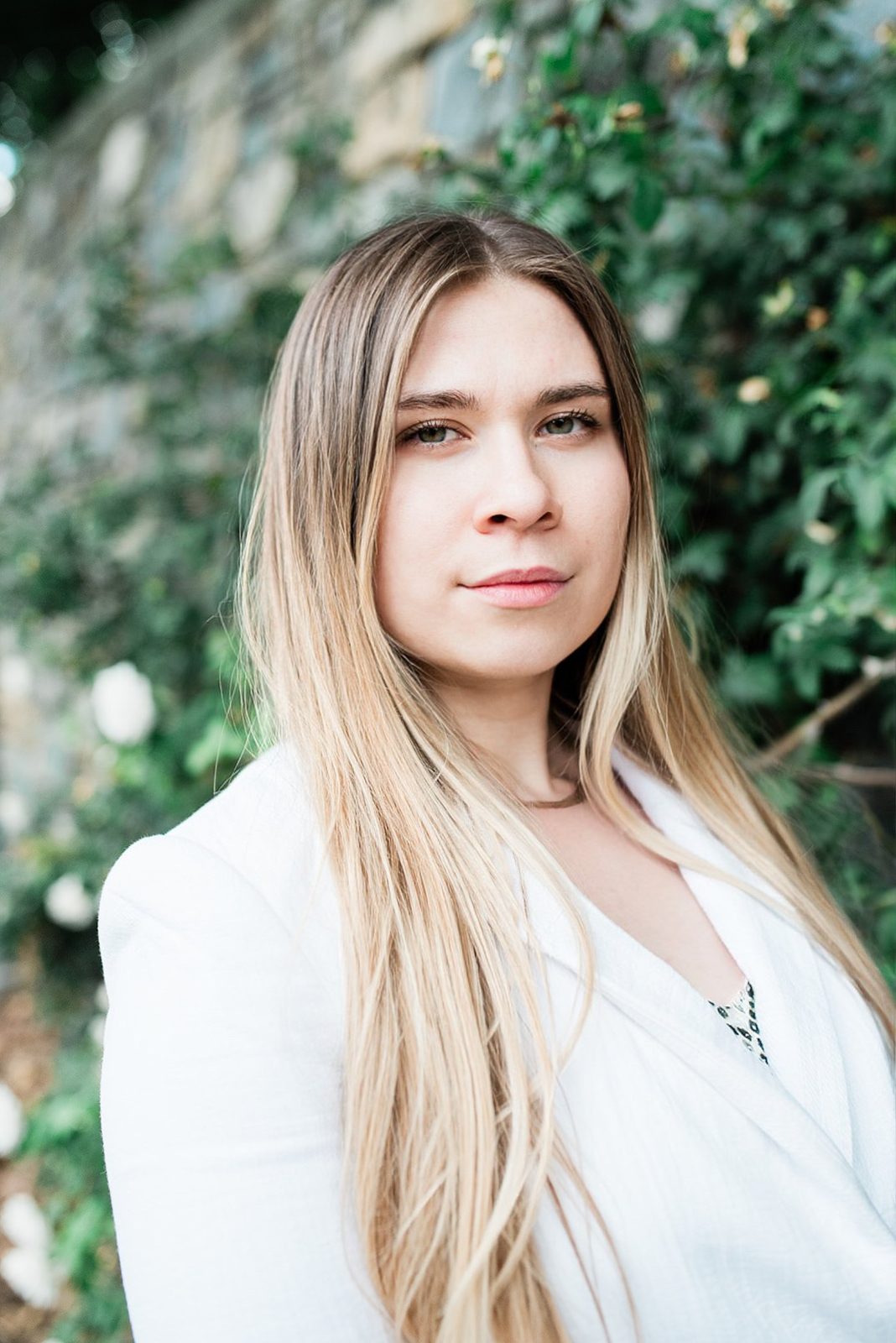
Seminars in Hearing Research
Date: September 17, 2026
Location: NLSN 1195
Time: 12:00-1:00pm
Speaker: Dr. Anhelina V Bilokon (Au.D.), University of Maryland, College Park
Title: Title: Not Just Noise: Hormonal Variability in Auditory Processing
Abstract: Abstract: Sex differences are becoming an increasingly important variable in hearing research and are often treated as a simple comparison between males and females or as another source of variability in the data. Sex differences are not binary or static, and biological factors, such as endogenous hormones, that vary within an individual may influence auditory function. Estrogen is suggested to mediate sex-related differences in auditory processing. However, we do not yet understand how estrogen may mediate sex-related differences in temporal processing. We hypothesized that temporal processing would vary across low-estrogen (LE) and high-estrogen (HE) phases of the female menstrual cycle, with greater differences compared to males emerging during the HE phase. Premenopausal healthy females and age-matched males participated in behavioral temporal processing measures using gap-detection thresholds. Female participants were tested across LE and HE phases, with males included as a comparison group. Overall, temporal processing varied by biological group and stimulus type, with poorer performance observed during the HE phase and greater difficulty for speech-shaped noise than broadband noise. These preliminary findings suggest that hormones may provide important information about why auditory performance differs between and within individuals over time. This may also be clinically relevant as temporal processing is particularly important in complex listening environments and is not always captured by standard measures of hearing sensitivity. Therefore, considering hormonal variability may provide a more sensitive approach for understanding individual differences in hearing and, ultimately, how we interpret both behavioral and clinical auditory measures.
---
The working schedule is available here: https://purdue.edu/TPAN/hearing/shrp_schedule
The titles and abstracts of the talks will be added here: https://engineering.purdue.edu/TPAN/hearing/shrp_abstracts