
Seminars in Hearing Research (01/22/26) - Samuel Senneka
Seminars in Hearing Research (01/22/26) - Samuel Senneka
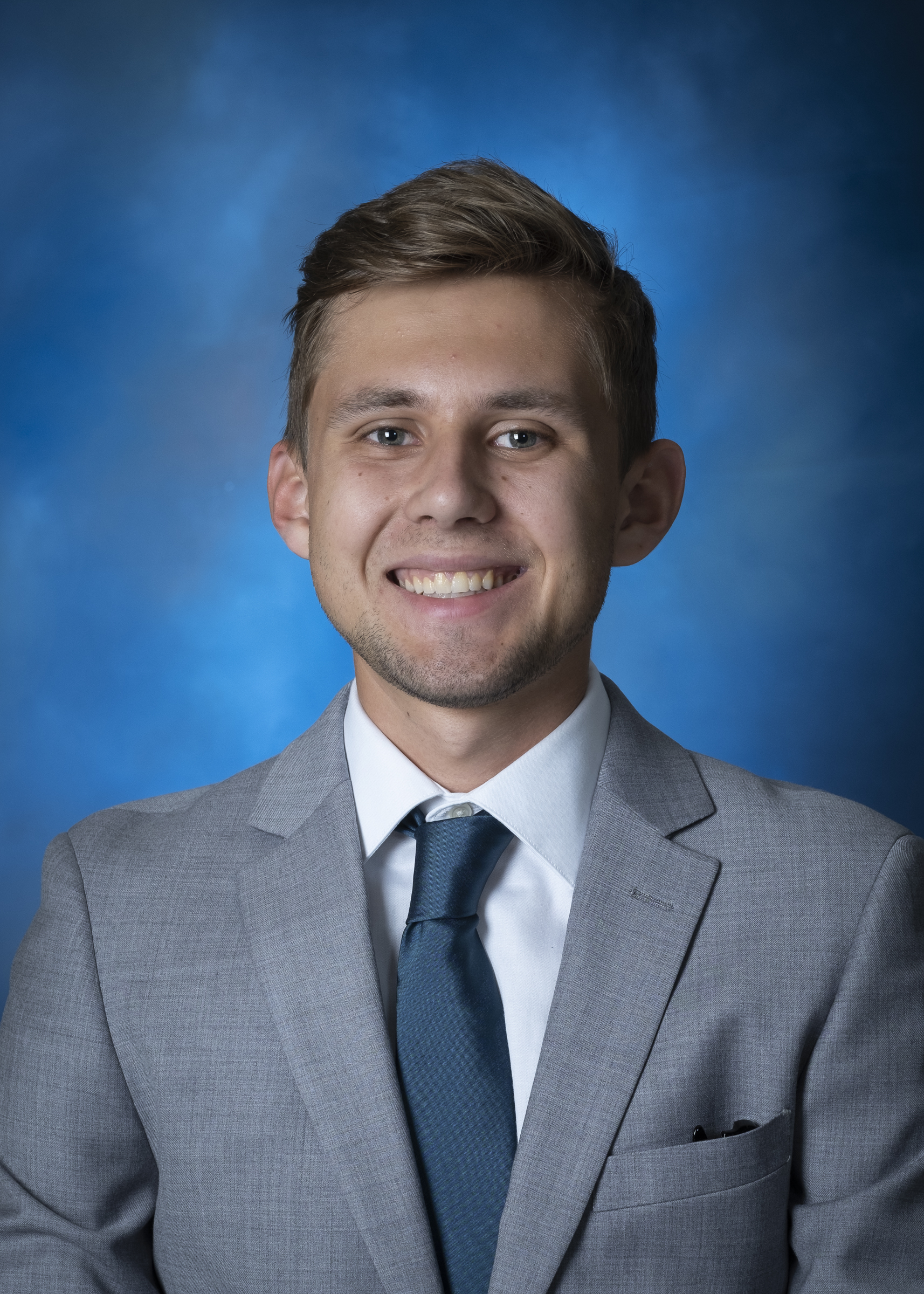
Seminars in Hearing Research
Date: Thursday, January 22, 2026
Location: SMTH 208
Time: 12:00-1:00pm
Speaker:Samuel Senneka, PhD Student, PhD
Title: Integration of artificial and natural sensations.
Abstract: Humans experience the world through multiple sensory inputs that are combined by the brain through a process known as multisensory integration. The loss of one or many sensations can drastically impair how we interact with the world around us. It has been shown that sensory perceptions can be elicited via intracortical microstimulation (ICMS), a method of electrically stimulating neurons in the neocortex. A largely unanswered question in this field of study is how do sensations elicited via ICMS interact with existing natural sensory inputs such as vision and audition? We have developed a task in freely moving mice to study the learning and integration of natural sensations and sensations elicited by ICMS. In this behavior, mice are tasked with navigating to randomly selected targets guided by vision (unimodal), ICMS (unimodal), or both modalities (multimodal). Mice were initially trained with multimodal feedback before unimodal probe trials were introduced to compare task performance with unimodal and multimodal feedback. Mice learn this task very quickly achieving a success rate of 75% after ~1000 training trials. Critically, we found that performance with ICMS was as good or better than performance with natural vision, and that performance on multimodal trials significantly exceeded unimodal performance (vision or ICMS), demonstrating that animals rapidly learned to integrate natural vision with artificial sensation. In future experiments, we plan to introduce an auditory component to investigate integration of more than two sensory modalities.
---
The working schedule is available here: https://purdue.edu/TPAN/hearing/shrp_schedule
The titles and abstracts of the talks will be added here: https://engineering.purdue.edu/TPAN/hearing/shrp_abstracts