

Makin Lab
Our lab applies artificial neural networks, statistical modeling, information theory, and the like to problems in neuroscience. The aim is to make testable predictions about neural function and dysfunction; to guide the design of experiment; to derive principles for machine learning from animal learning; and ultimately to improve our understanding of the brain and to ameliorate neurological disorders in people.
These investigations fall into two basic categories:
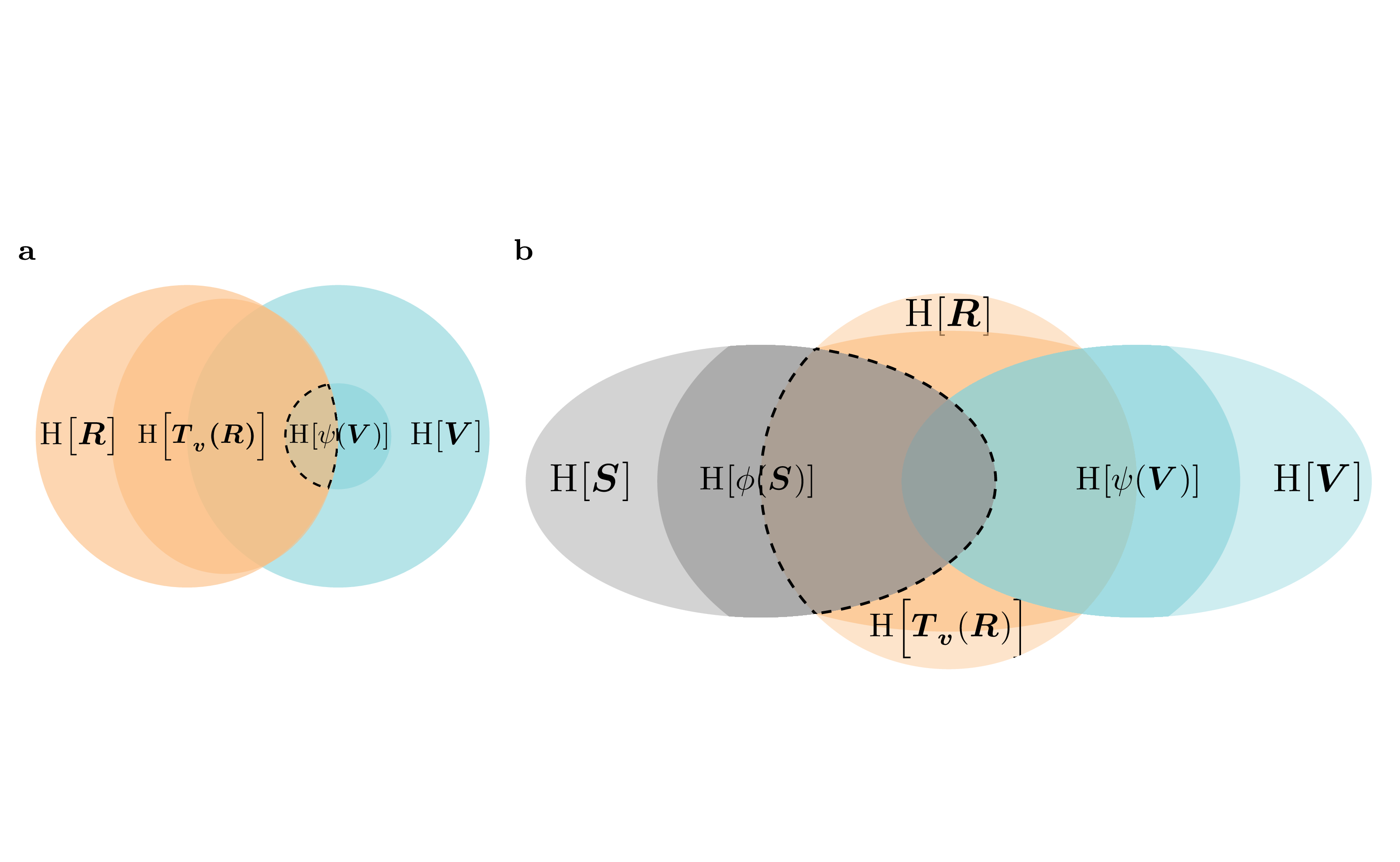
- Theory: mathematical and simulation-based investigations of neural computation [representative publication]
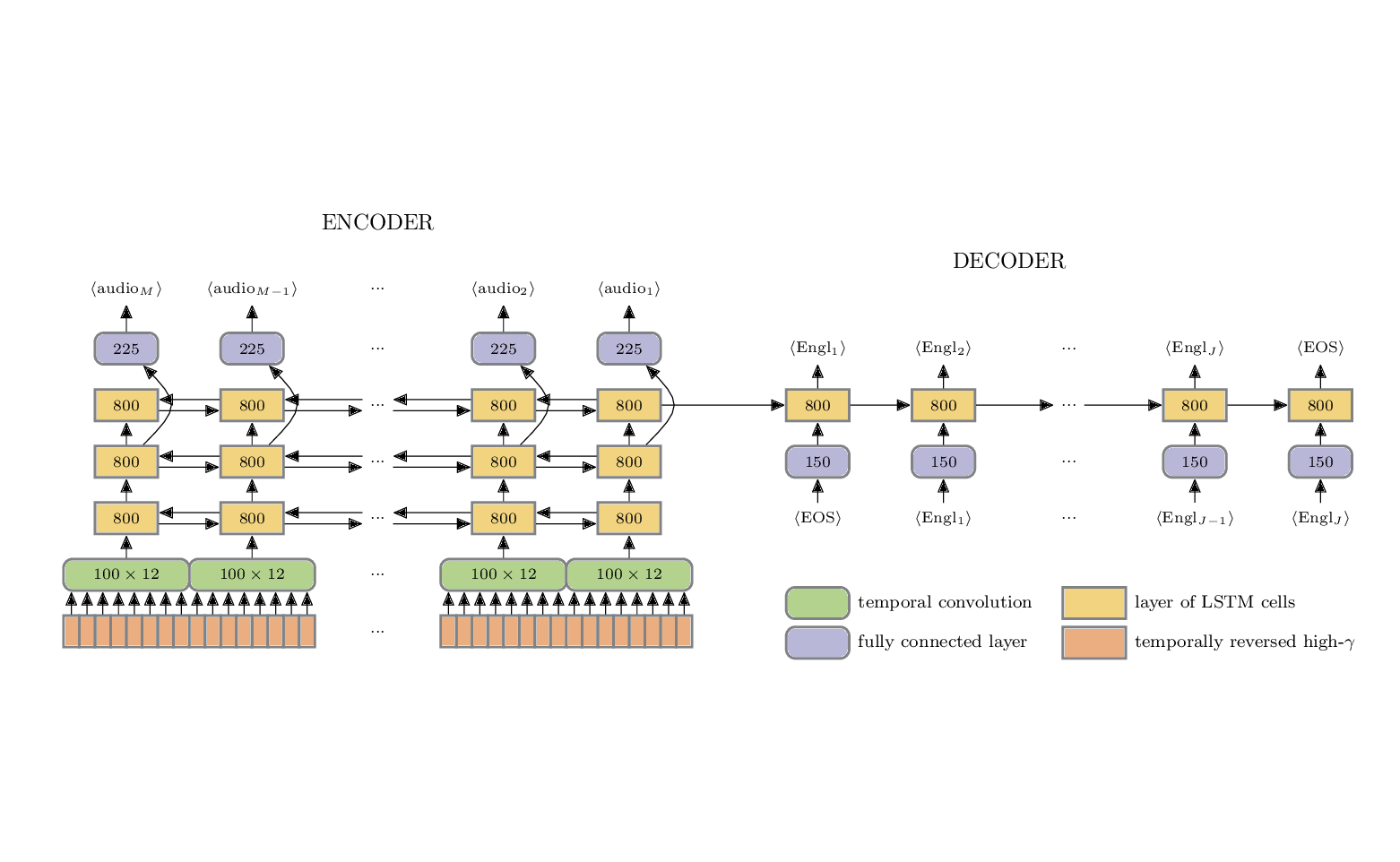
- Brain-machine interfaces: decoding speech and intended movement from neural activity in humans and lower animals [representative publication]
We are also interested in pure machine learning, especially as it relates to neural computation [representative pub.].
Positions
We are looking for graduate students to join the lab! A good fit for the group would have a strong background or interest in machine learning (especially graphical models and neural networks), and interest in neuroscience. Students in BMI projects would be involved in the design and implementation of algorithms and, in some cases, of experiments, in conjunction with our collaborators (neurosurgeons, medical personnel, and our colleagues in biomedical engineering).
Doctoral students are preferred, but in some cases we may take masters students.
Teaching
Purdue University
- ECE 20002: Fundamentals of Electrical Engineering II (PIC)
- ECE 60131: Inference & Learning in Generative Models
Prior Teaching
- NS300 (UCSF): Digital Signal Processing
- NS219 (UCSF): Computational Neuroscience
Miscellany
An in-progress textbook on statistical learning theory (machine learning, neural networks).