Dr. Ernest (Chip) Blatchley Serves as President of the International Ultraviolet Association (IUVA)
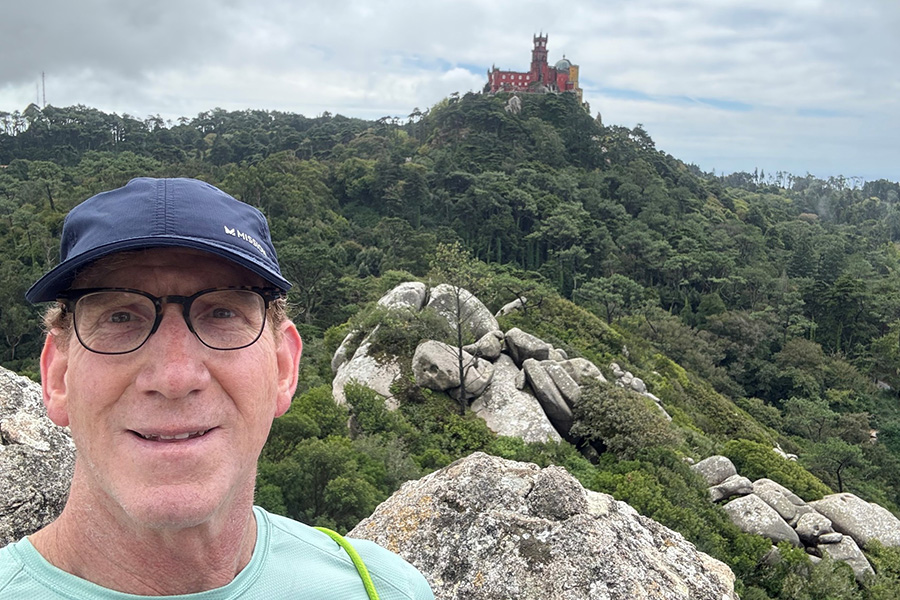
Including diverse intellectual backgrounds, promoting scientific rigor, and advancing the development of UV-based science and applications are all important goals of Dr. Ernest (Chip) Blatchley in his new role as President of the International Ultraviolet Association (IUVA).
Chip Blatchley is the Lee A. Rieth Professor in Environmental Engineering in the Lyles School of Civil and Construction Engineering, and the School of Sustainability Engineering and Environmental Engineering (SEE).
As President, he will help to promote the use of ultraviolet (UV)-based technologies, especially among public health and environmental applications, and to “position IUVA as the leading authority on the use of ultraviolet technologies through advocacy to the education, industry, research and public policy sectors worldwide.”
“Historically, IUVA has focused on UV-based processes that are used in water treatment, including disinfection, direct photolysis, and “indirect” photochemical processes,” said Blatchley.
“Research and development in these areas remain as cornerstones of IUVA and its membership. However, the scope of UV-based science and engineering are expanding rapidly. A primary example of this expansion relates to the use of UV for disinfection air and surfaces. These applications have existed for almost a century; however, with the onset of the COVID-19 pandemic in early 2020, interest in these processes grew rapidly. He said that there are currently no uniform standards or regulations for implementation or operation of “germicidal UV” (GUV) devices, but there is considerable interest in development of such standards and regulations. “Implementation of these tools will be critical as we prepare for the next pandemic. ”A major goal I have for IUVA is to move forward with development of these new or emerging applications and to promote the development of science-based standards and regulation that inform their application. IUVA uses “Task Forces” (TFs) of volunteers from among its diverse membership to meet these goals.”
Prof. Blatchley shared that IUVA is a vibrant community of professionals who share common interests related to UV radiation, “including the basic principles of science that define our understanding of photochemical, photobiological, and photophysical processes, as well as practical applications.”
Prof. Blatchley notes that the IUVA is an organization that provides opportunities for members of his research group to interact with others who have similar interests. UV-based processes have been the focus of research in his group since he started at Purdue, and he has been a long-standing member of IUVA because of its membership and the opportunity to connect with the diverse groups of people who are IUVA members, including practitioners, regulators, government officials, epidemiologists, as well as people from academia whose focus is on research.
As an author of numerous publications on ultraviolet disinfection, groundwater contaminants, UV reactor analysis, and more, Prof. Blatchley brings a significant scholarly background to this new role. His recently published book, Photochemical Reactors: Theory, Methods, and Applications of Ultraviolet Radiation, provides a comprehensive summary of the principles that underpin our understanding of photon-initiated processes. With the material in this book, he developed an upper-division graduate class that he now teaches in-person and online.
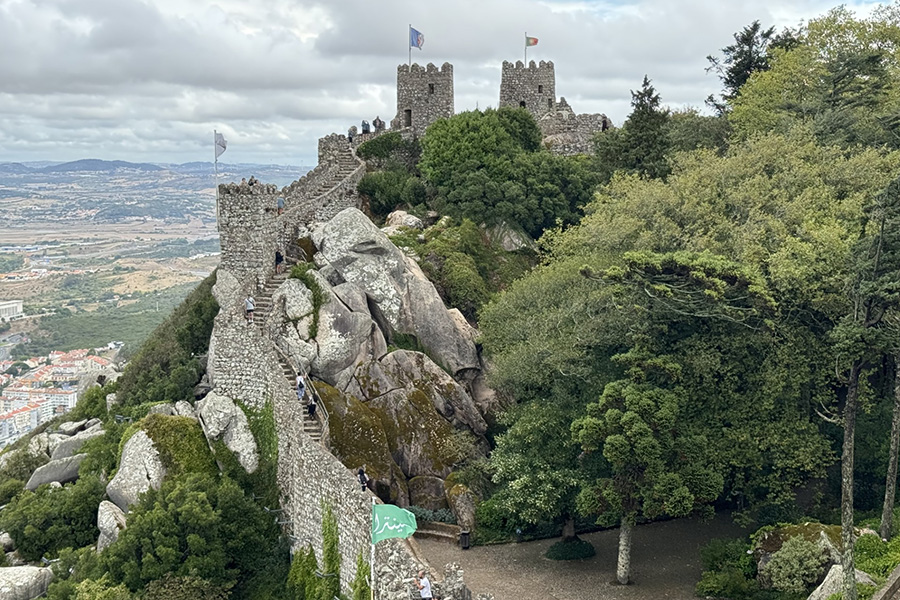
Prof. Blatchley was able to expand his scholarly and professional perspective at the recent IUVA World Congress, held in Lisbon, Portugal in September 2025.

“The consistent high quality of the presentations at this World Congress was significant. Over the 4 days of the event, I attended workshops and technical sessions that related to a broad range of UV-based issues. Every one of these was thought-provoking and interesting and the level of scientific rigor was consistently high. Moreover, it was truly an international event, with participants from 27 countries and from 5 continents. This is a critical aspect of IUVA in that it brings together people from a range of backgrounds and perspectives, which enhances conversations.”
Prof. Blatchley will be able to bring this new perspective to his role as IUVA President and to his community at Purdue SEE. In reflection of this, he celebrated SEE’s own diverse perspectives:
“Similar to IUVA, I appreciate the range of expertise that is present among SEE members. SEE members share common interests related to Environmental Engineering and Sustainability. I value the range of perspectives that is brought to any conversation among SEE members. The diversity of backgrounds, intellectually and otherwise, makes for rich conversation and promotes new, refreshing ways of thinking about problems.”
To learn more about the Purdue School of Sustainability Engineering and Environmental Engineering (SEE), visit: https://engineering.purdue.edu/SEE.