
Biography
Academically, I am a computer architect. I study the design of the hardware components that efficiently solve problems written in software. My research has been recognized with an NSF Career Award in 2020, an NVIDIA graduate fellowship in 2013, best paper nominations at MICRO 2012, PPoPP 2017, ISPASS 2021, and IISWC 2024, an IEEE Micro Top Picks in Computer Architecture in 2013, as a Communications of the ACM Research Highlight in 2014, and my PhD thesis was nominated for the Governor General of Canada’s Gold Medal and the 2016 ACM Doctoral Dissertation Award. In 2024, I was inducted into the MICRO Hall of Fame, and in 2026 I was named an NVIDIA Research Faculty Fellow. My teaching has been recognized with multiple Outstanding Engineering Teacher citations, the 2018 Ruth and Joel Spira Award for Excellence in Teaching, the 2020 Hesselberth Award for Teaching Excellence, the 2022 College of Engineering Excellence in Early Career Teaching Award, and the 2026 HKN Outstanding Professor Award. I completed my PhD in Computer Architecture at the University of British Columbia in 2015. During the course of my PhD, I interned for the research divisions of both AMD and NVIDIA, where I worked on the design of future GPU computing microarchitectures. Prior to entering graduate school, I worked as a software engineer at Electronic Arts where I gained insight into how industrial software was made before AI.
- Computer Architecture
- Computer Systems
-
PhD in Computer Engineering, 2015
University of British Columbia
-
BEng in Honours Electrical Engineering, 2005
McGill University
Recent Publications
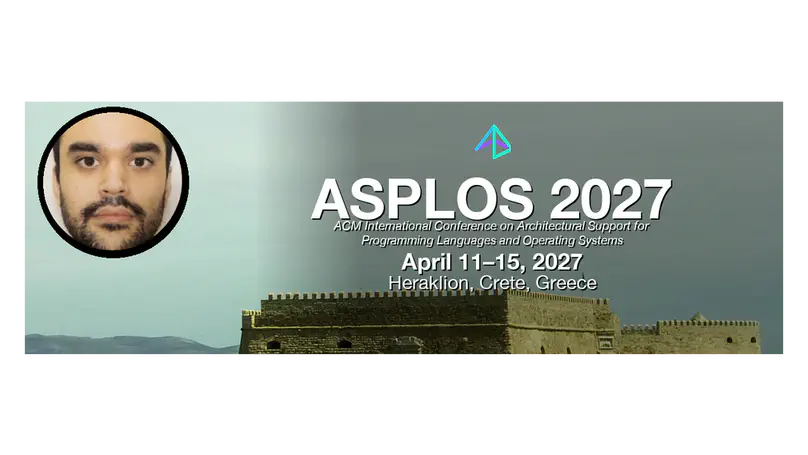



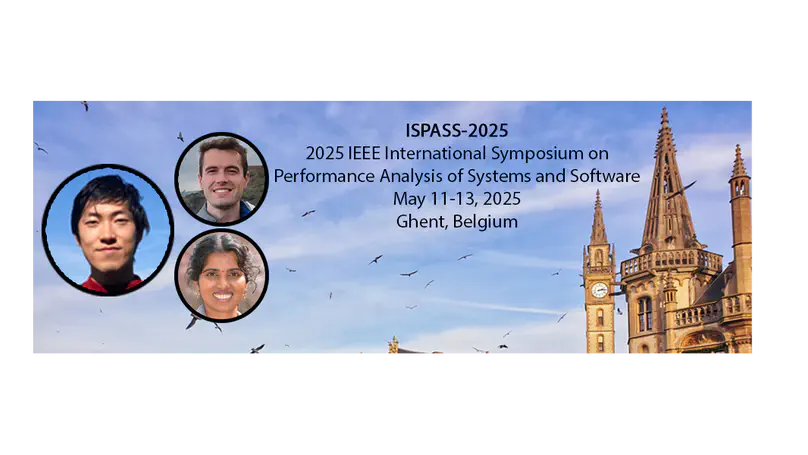
Publications
PhD Students
Cesar Avalos
PhD Student
Internships: Micron (Summer 2025)
Weili An
PhD Student
Internships: Arm (Summer 2023), NVIDIA Research (Spring 2025)
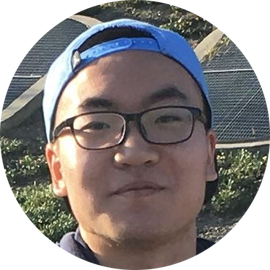
Yechen Liu
PhD Student
Internships: Lenovo (Summer 2025)

Anusuya Nallathambi
PhD Student
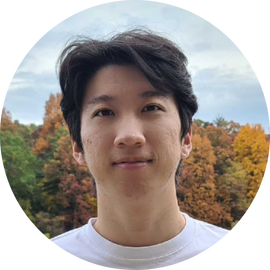
Junrui Pan
PhD Student
Internships: Samsung (Spring/Summer 2025)
PhD Alumni

Christin Bose
PhD Graduate, 2026
Current Position: GPU Performance Engineer, NVIDIA
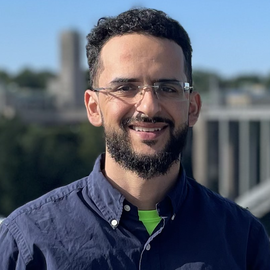
Ahmad Alawneh
PhD Graduate, 2026.
Current Position: Senior GPU Systems Engineer at NVIDIA

Ni Kang
PhD Graduate, 2026
Current Position: GPU Architect at NVIDIA
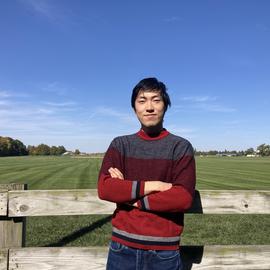
Fangjia Shen
PhD Graduate, 2025
Current Postion: GPU Architect at NVIDIA
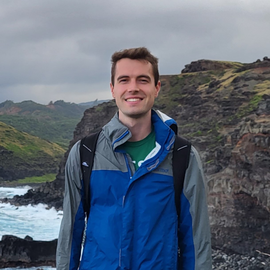
Aaron Barnes
PhD Graduate, 2025.
Current Position: Research Scientist at Meta
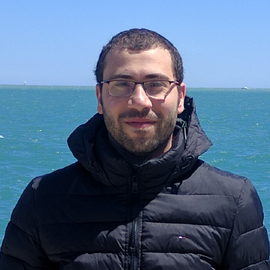
Mahmoud Khairy
PhD Graduate, 2022.
Current Position: Researcher at AMD.
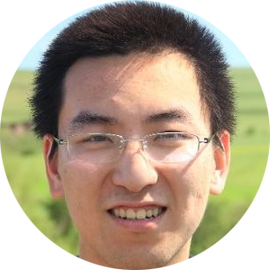
Mengchi Zhang
PhD Graduate, 2022.
Current Position: Research Scientist at Meta
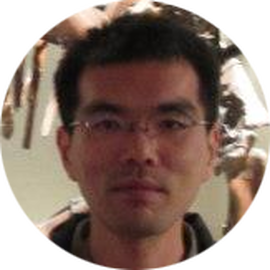
Tsung Tai Yeh
PhD Graduate, 2020.
Current Position: Associate Professor, Department of Computer Science, National Chiao Tung University
Masters/Undergraduate Alumni
Masters Thesis Grads
Akshay Jain
Masters Thesis. 2017.
Last Known Position: AI Software Engineer at AMD
Zhaoyu Jin
Masters Thesis, 2025
Last Known Postiion: PhD Student, Purdue
Masters Project Grads
Abhishek Bhaumick
Masters Project. 2022.
Last Known Position: GPU Architect, NVIDIA.
Shreya Gaur
Masters Project. 2024.
Last Known Position: Deep Learning Performance Engineer, NVIDIA.
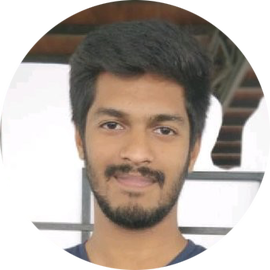
Amogh Manjunath
Masters Project. 2020.
Last known Position: Silicon Engineer at Microsoft
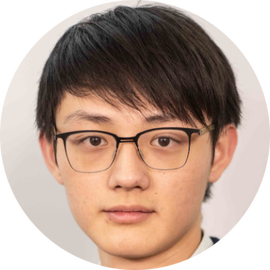
Zhesheng Shen
Masters Project. 2020.
Last Known Position: SOC Design Engineer Intel.
Undergrad Research Grads

Sooraj Chetput
Undergrad Research. 2024.
Last Known Position: Graduate Student, Purdue.
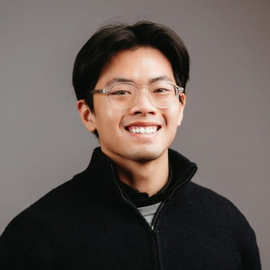
Kai Ze Ee
Undergrad Research. 2026.
Last Known Position: Masters Student, Carnegie Mellon University.

Dima Nikiforov
Undergrad Research. 2020.
Last Known Position: PhD Student, UC Berkley