
Purdue SEE Students Bring Clean Water Solutions and Global Perspectives to the Dominican Republic
For students in Purdue University's Sustainability Engineering and Environmental Engineering (SEE) program, learning extends far beyond the classroom. Through the course Water Supply for Developing Countries, students traveled to the Dominican Republic to apply engineering principles in a real-world setting while partnering with communities to address water quality challenges.
The experience allowed students to combine technical knowledge, teamwork and service while gaining a deeper understanding of the impact that access to clean water can have on communities. Through fieldwork, educational outreach and relationship-building with local partners, students saw firsthand how engineering can make a meaningful difference in people's lives.
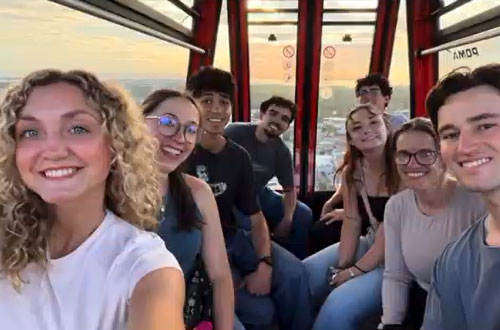
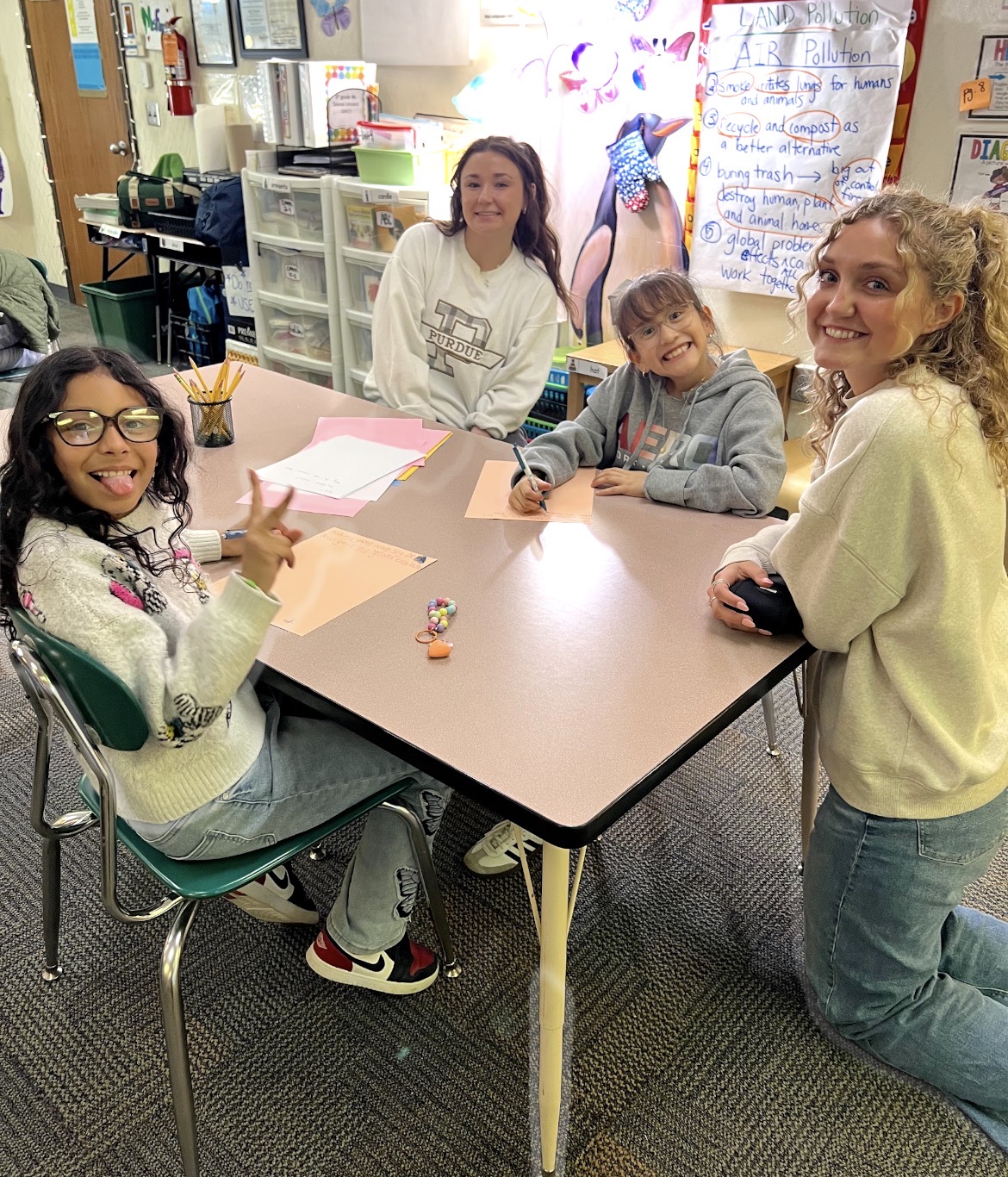
Before traveling abroad, students prepared for community engagement through outreach closer to home. As part of the course, they visited Edgelea Elementary School in Lafayette, where they practiced educational activities focused on water quality, sanitation and water safety with Spanish-speaking students. The experience helped prepare students to lead similar activities during their time in the Dominican Republic while strengthening their communication and cross-cultural engagement skills.
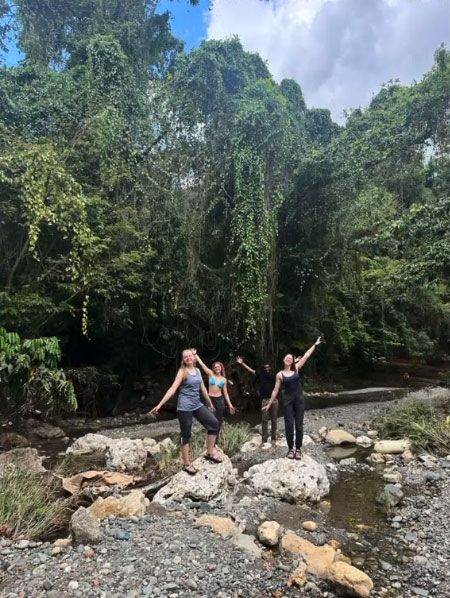
The project builds on years of ongoing work in the La Vega region of the Dominican Republic, where Purdue students have helped install and evaluate water systems in local communities. Data collected during the trip provided valuable information about water quality and system conditions in five communities, helping students determine where future efforts would have the greatest impact.
After evaluating factors such as system condition, community engagement and educational opportunities, the team selected the school water system in El Desacho as the focus of this year's work.
During the trip, students conducted water quality assessments using a variety of testing methods to better understand local water conditions. Their findings helped inform future improvements while giving students valuable hands-on experience applying concepts learned in the classroom.
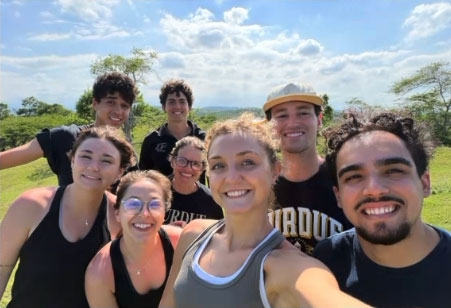
The project extended well beyond data collection. Students also worked directly with community members and schoolchildren to teach the importance of clean water and the health risks associated with contamination. Building on activities they had practiced at Edgelea Elementary, the Purdue students delivered educational programming designed to help children understand how water quality can affect health, daily life and school attendance.
Recognizing that sustainable solutions require long-term partnerships, students also focused on strengthening relationships with local organizations. One key priority was building collaboration with a regional Rotary chapter that can provide ongoing support and engagement after Purdue students return home. Establishing these local connections helps ensure that projects continue to serve communities long after a single visit has ended.
For many students, the experience reinforced the humanitarian side of engineering. Beyond the technical skills gained through water testing and system evaluation, the course challenged participants to think about how engineering can improve quality of life and create lasting change for communities around the world.
"It has been nothing short of an honor to be a part of this class, and I truly believe that through hard work and dedication we can make a difference in the lives of those that are less fortunate," said Parker Davenport.
The experience also highlighted the value of collaboration. Students worked alongside classmates, faculty, community members and local partners throughout the project, gaining firsthand experience in how successful engineering solutions often depend on teamwork, communication and shared goals.
Emily Scott said one of the most important lessons she learned was that the work extends beyond earning course credit. The experience demonstrated how engineers can use their knowledge and skills to address real-world challenges and positively impact communities.
Reflecting on the experience, students described the trip as transformative—not only because of the engineering work completed, but also because of the friendships formed, challenges overcome and shared accomplishments achieved throughout the project.
"This class has provided me a lifetime of memories, lessons and so much more that I will carry with me forever," said Grace Smith. "The people I've met, the challenges we've overcome, the friendships I've gained and the impact that we've made together has truly made this experience unforgettable."
Through programs like Water Supply for Developing Countries, SEE students are developing the technical expertise, global awareness and collaborative mindset needed to address some of the world's most pressing environmental challenges. For the students who traveled to the Dominican Republic, the experience demonstrated that engineering is not only about solving problems—it's about building partnerships, improving lives and creating lasting impact in communities around the world.