
Where Robotics Became Real: The Impact of Project-Based Learning at Purdue
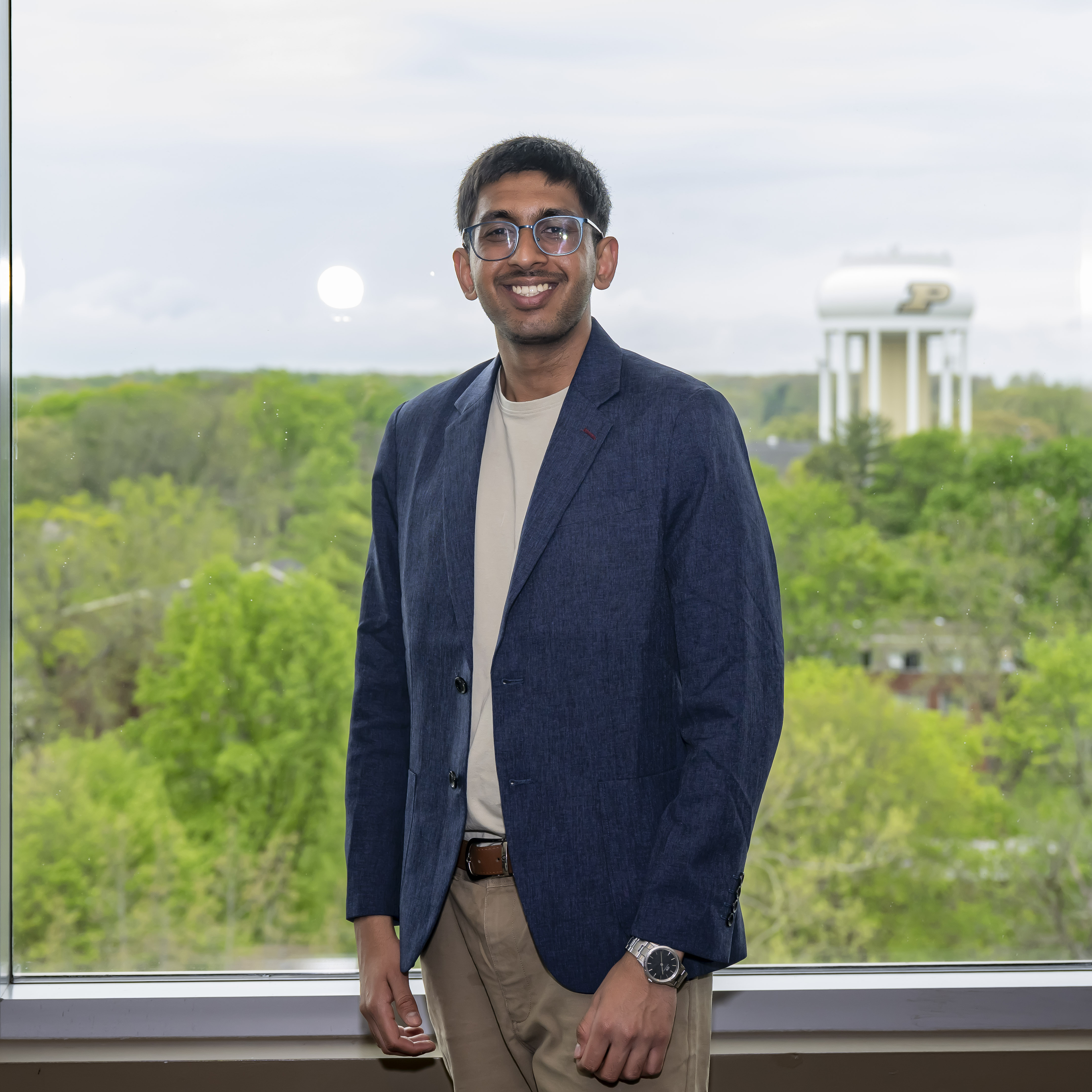
One of the most valuable parts of my time at Purdue was getting the chance to work on projects that felt close to the kinds of challenges engineers face in industry. In one of my project courses, I worked with autonomous vehicle simulation using Autoware, ROS 2, and AWSIM. The project involved planning, control, route testing, and performance evaluation in simulation. It was not just about getting a system to run once. It was about understanding why it behaved a certain way, what went wrong, how to measure it, and how to improve it. That experience changed the way I approached robotics because it forced me to think beyond the code and focus on the full system.
My favorite graduate course was F1TENTH because it brought together so many parts of robotics that I care about: perception, planning, control, simulation, and real-world decision-making. The course helped me connect concepts that had previously felt separate. Suddenly, topics like localization, trajectory planning, and vehicle behavior were not just individual ideas from different lectures. They were all pieces of one larger system that had to work together. That kind of learning stayed with me because it felt practical, challenging, and directly connected to what I want to do professionally.
The project course also helped me grow in ways that were not purely technical. I became more comfortable working through uncertainty, presenting my work, explaining tradeoffs, and taking feedback. In robotics, the first version of a system rarely works perfectly, and that can be frustrating. But the process taught me patience and confidence. It also helped me build a stronger portfolio because I had real project work I could talk about in interviews, not just coursework listed on a resume.
My advice for future students is to take the project courses seriously and not be afraid of struggling through them. The moments where something does not work are often the moments where you learn the most. Ask questions, document your process, work with your classmates, and try to connect each project to the kind of engineer you want to become. For me, the project-based experience was what made graduate school feel real. It helped turn my interest in robotics into practical skills, and it became one of the most important parts of my Purdue experience.