Research
Population-level encoding of sensory information in the brain
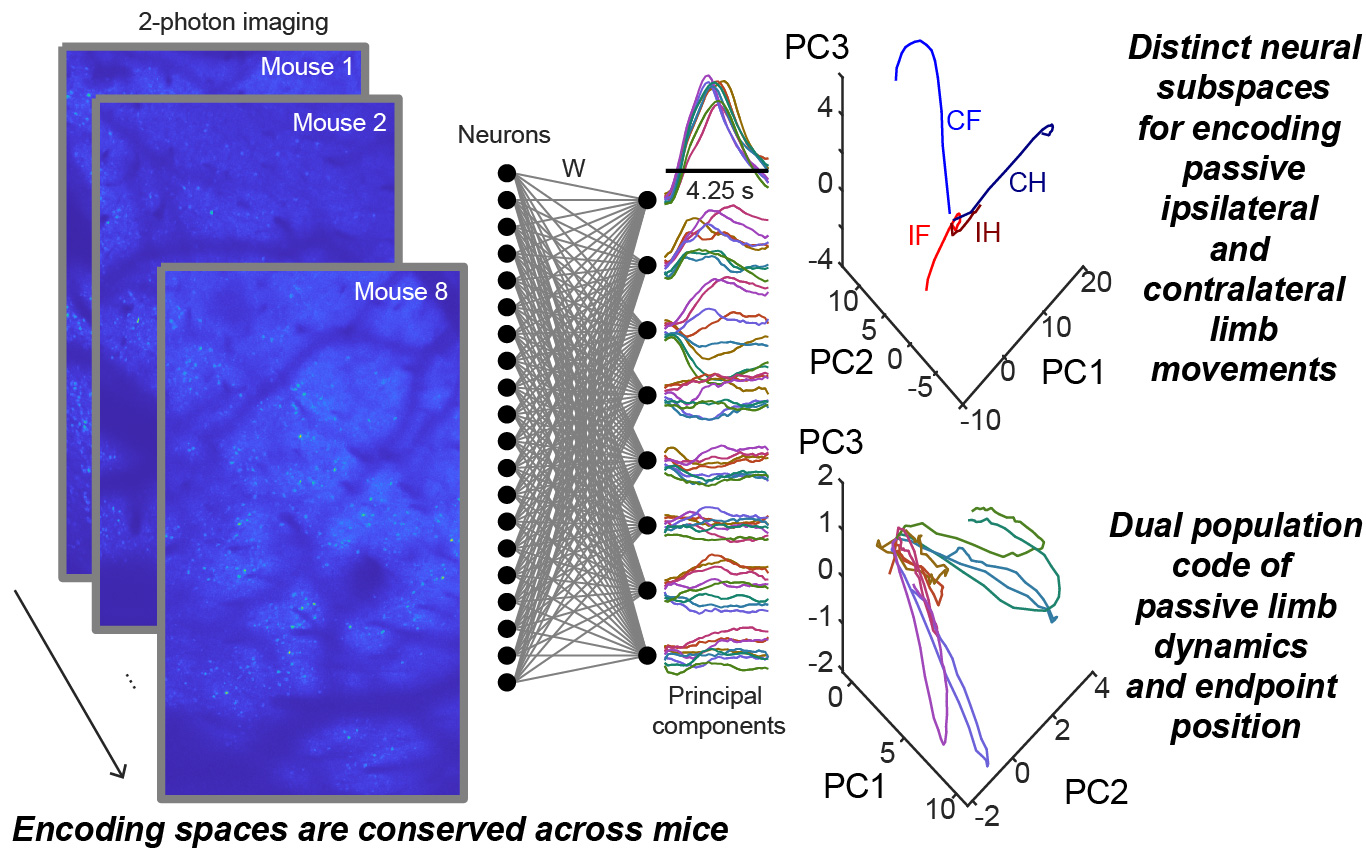
The brain encodes rich sensory experiences using the coordinated activity of large neural populations. Dr. Dadarlat’s laboratory studies how populations of neurons represent sensory information, focusing on computational principles that support robust perception and behavior. Using large-scale two-photon calcium imaging, her group has shown that both visual and somatosensory signals are encoded in low-dimensional, structured population codes that capture key stimulus features such as motion direction, limb state, and sensory reliability. These representations are consistent across cortical areas and animals, suggesting shared computational frameworks for sensory processing across the brain. This work establishes a foundation for understanding how neural populations represent complex, uncertain sensory environments and informs the design of biologically-inspired encoding strategies for neural interfaces.
Artificial sensation for neural prostheses
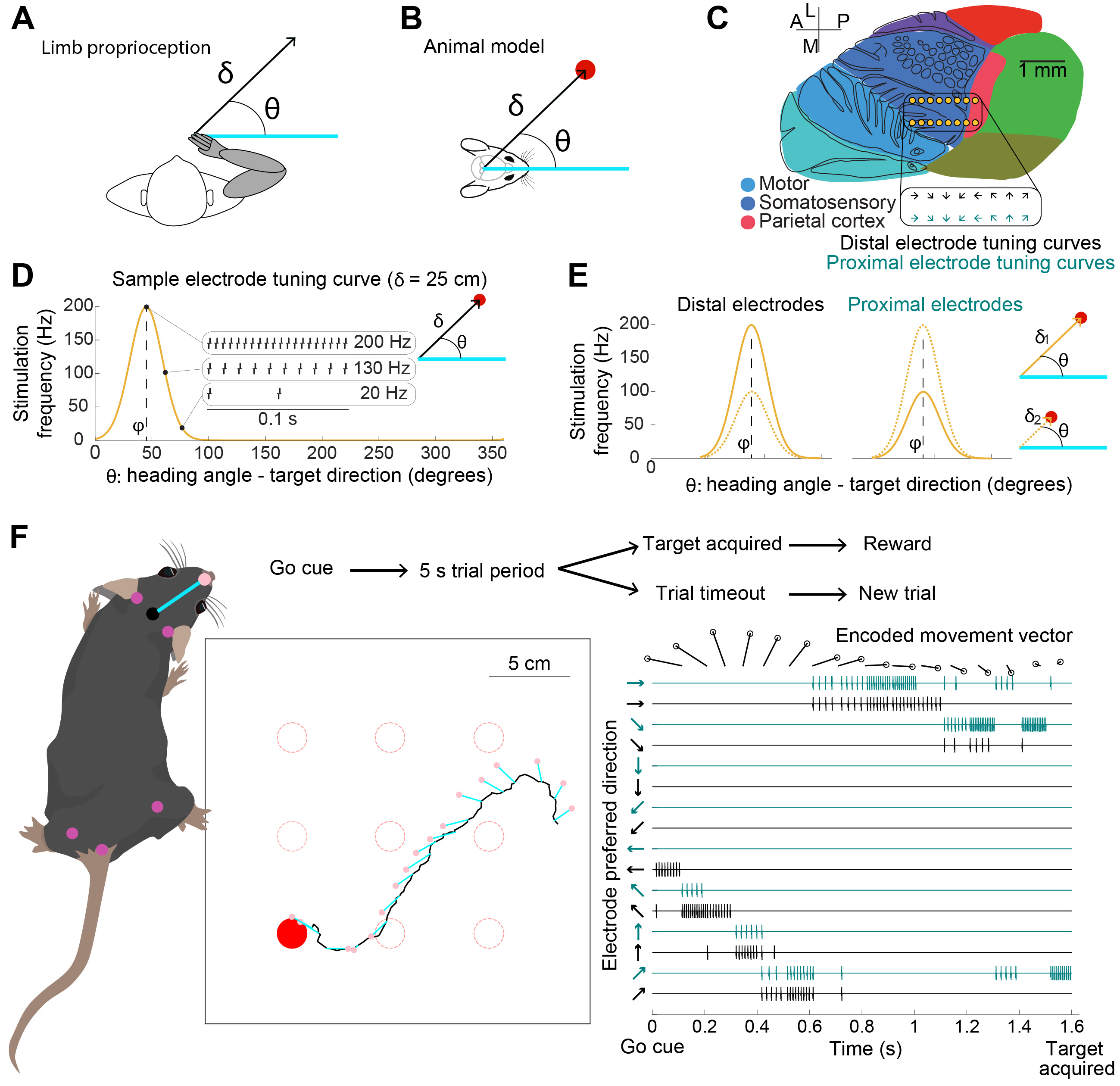
A major goal of neural engineering is to restore sensation to patients with limb loss or neurological injury. Dr. Dadarlat’s lab develops strategies for encoding artificial sensory signals directly into the brain using intracortical microstimulation (ICMS). Rather than attempting to reproduce exact neural activity patterns, her work demonstrates that artificial sensory signals can be learned and interpreted by the brain when encoded in a structured and behaviorally relevant format. In animal models, this approach enables rapid learning of artificial proprioceptive signals and their integration with natural sensory modalities. These results establish a learning-based framework for artificial sensation that leverages neural plasticity to reduce the complexity of stimulation algorithms and improve the scalability of neural prosthetic systems.
Neural integration of electrical stimulation in cortical circuits
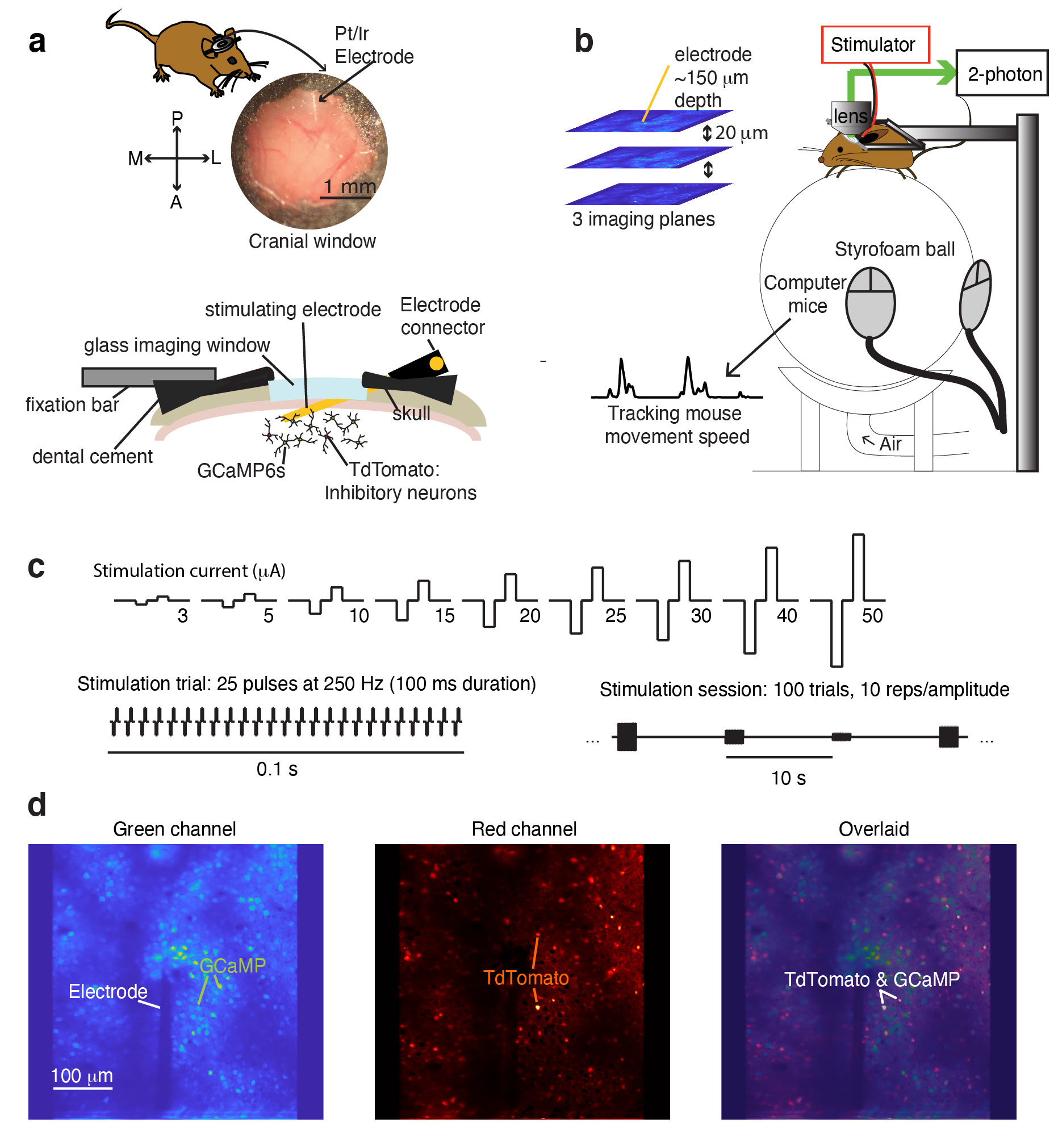
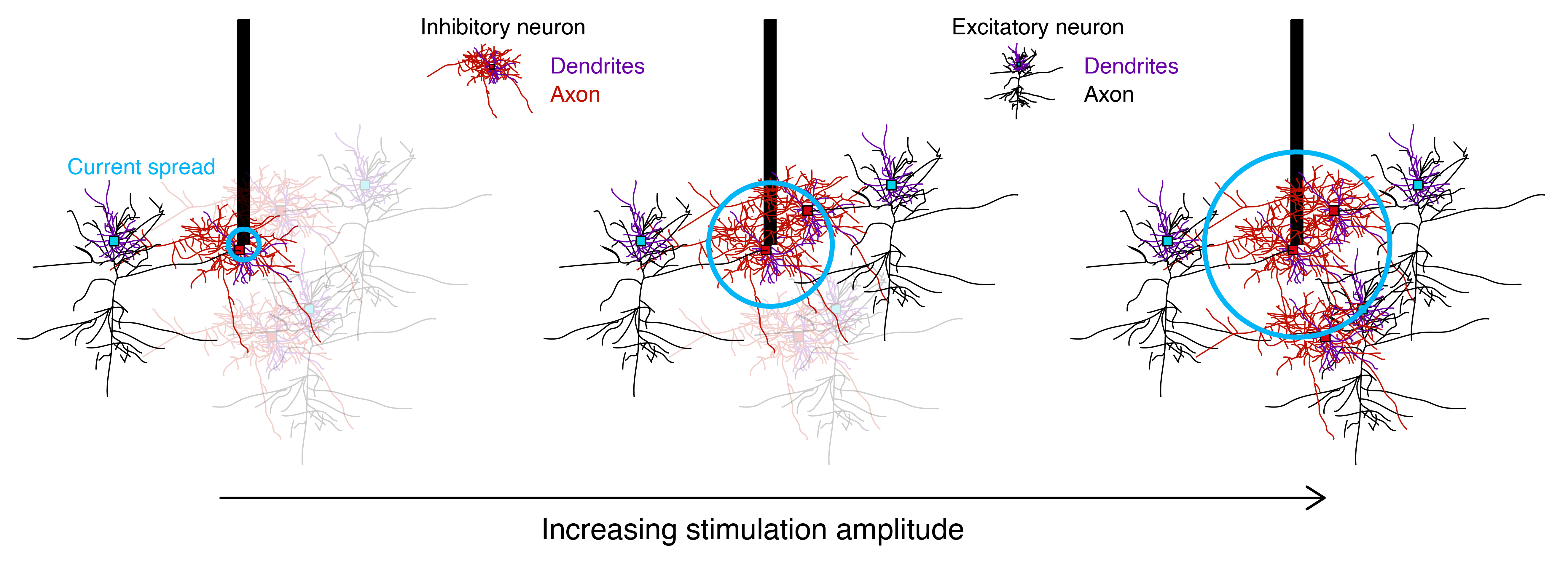
Electrical stimulation of the brain is a central tool in neural interfaces, yet the neural responses it evokes are highly variable and depend on the state of surrounding circuits. Dr. Dadarlat’s laboratory studies how ICMS interacts with excitatory and inhibitory neurons at the circuit level, demonstrating that stimulation-evoked responses reflect the integration of stimulation inputs into ongoing neural activity rather than simple activation of neurons. Her work shows that pre-stimulus activity strongly shapes evoked responses, motivating the development of closed-loop, state-dependent stimulation strategies. These findings provide new design principles for neural interfaces, emphasizing adaptive stimulation protocols that engage native circuit dynamics rather than attempting to override them.
Linking neural encoding of sensory reliability to clinical deficits following brain injury
A fundamental question in systems neuroscience is how the brain represents not only the content of sensory signals but also their reliability. Decades of theoretical and experimental work suggest that optimal use of sensory information requires representing uncertainty over sensory variables, potentially by multiplexing reliability with stimulus content in sensory population activity. However, the response properties mediating reliability encoding, and whether they are shared across levels of neural organization, remain unresolved.
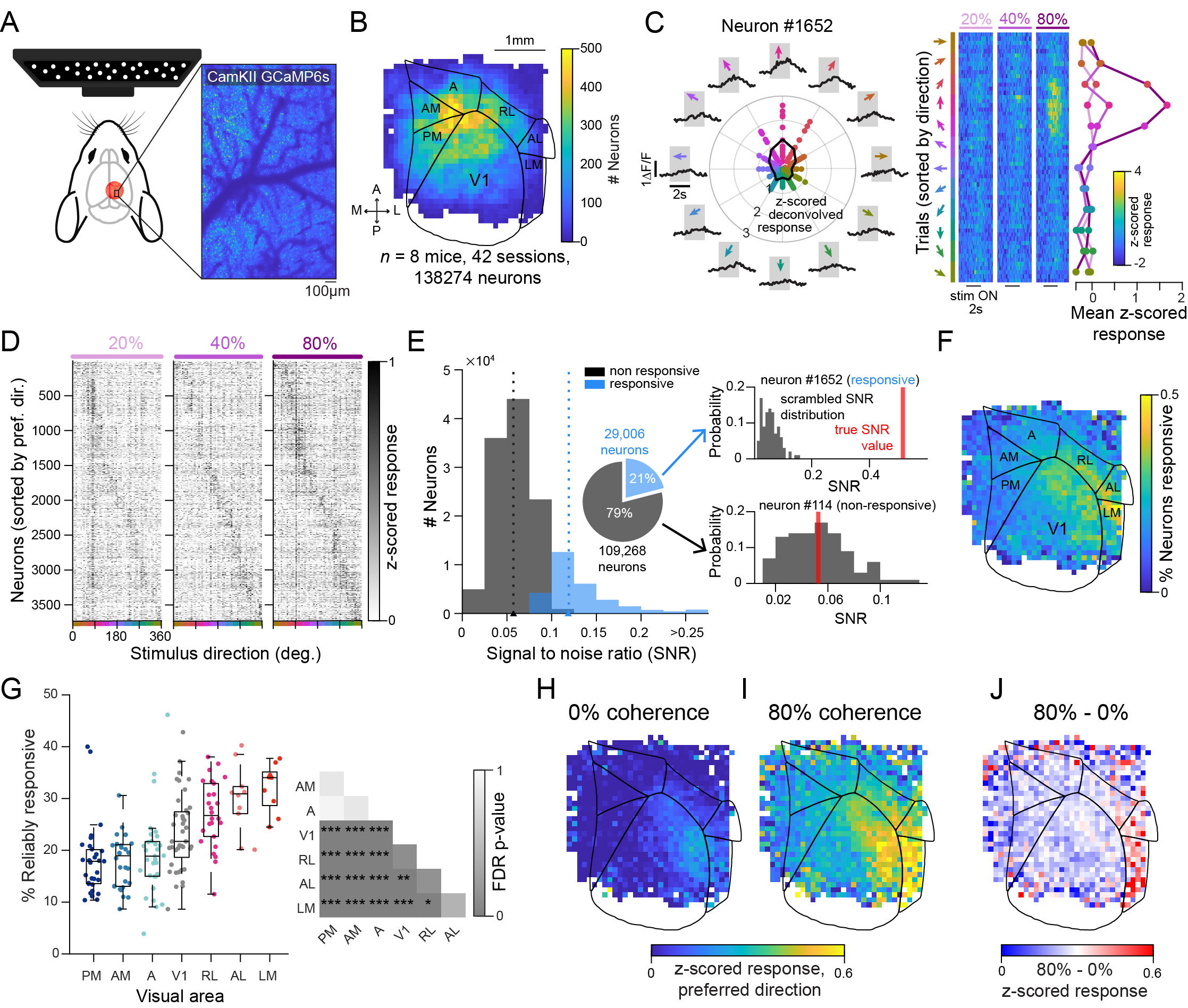
We used large-scale two-photon calcium imaging of nearly 140,000 neurons across primary and higher visual areas during presentation of random dot kinematograms with varying motion coherence to isolate the neural signature of sensory reliability. Across all recorded areas, changes in motion coherence (reliability) drive coordinated modulation of response gain, selectivity, and variability, at both single-neuron and population levels. These results suggest a unified coding strategy by which sensory reliability is represented across visual cortex, revealing a previously uncharacterized computational principle implemented across levels of neural organization and cortical hierarchy.
Minor traumatic brain injuries impair complex visual processing, which could be used as a sensitive behavioral biomarker for identifying injury severity.