
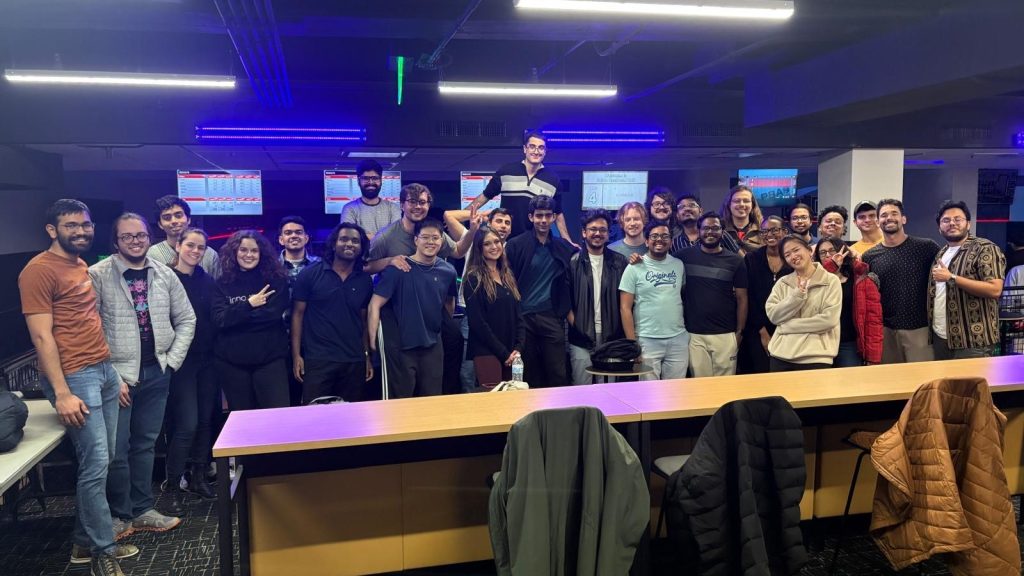
In a research environment, safety is rarely one single rule—it’s a system of small, repeatable habits. PPE and chemical handling matter, of course, but so do communication, housekeeping, planning, and the way we manage the “busy season” when deadlines pile up. This note from GSO Lab is a short refresher on practical, low-effort steps that reduce risk without slowing down good science.
1) Before you start: pause for a 60-second “what could go wrong?”
- What are the top 1–2 hazards in this step (pressure, heat, toxicity, flammability, sharps, moving parts)?
- What’s the simplest control you can add right now (shield, secondary containment, splash protection, signage, buddy check)?
- If something goes wrong, what’s the first action (shutoff, evacuate, call, rinse, isolate)?
This “micro-pause” catches a surprising number of near misses—especially when we’re repeating a protocol we know well.
2) Housekeeping is safety (and it’s kindness)
- Label clearly: what it is, hazards (if relevant), date, and owner.
- Keep shared benches and hoods usable: clear spills, return tools, and avoid mystery containers.
- Waste and sharps: don’t “save it for later.” Later becomes someone else’s problem.
3) Near misses: the fastest way we learn (without anyone getting hurt)
A near miss is valuable data. Reporting it early prevents repetition and helps the whole group improve. If you’re not sure whether something “counts,” it probably does. Share what happened, what you changed, and what others should watch for—without blame.
4) The “busy season” risk: fatigue, distraction, and rushing
Deadlines don’t just increase workload—they change behavior. Fatigue and context switching (running experiments, answering emails, submitting abstracts, booking travel) are classic ingredients for mistakes. A simple norm that helps: when you feel rushed, downgrade complexity—pause, ask for a second set of eyes, or move the risky step to a calmer time.
5) A quick note on digital safety (because it touches lab work too)
Instrument logins, shared folders, vendor portals, and submission systems are part of modern research workflows. Keeping access organized (individual accounts when possible, MFA where available, and avoiding password reuse) helps protect data and reduces disruption. This is not “IT stuff”—it’s operational safety for research groups.
Resources (pick what’s useful)
- Purdue EHS – Laboratory Safety resources
- Purdue EHS – Training (HSI / courses)
- PurdueALERT (emergency notifications)
- Two-factor authentication overview (Secure Purdue)
- CISA – Secure Our World (practical security basics)
- Password generator (optional)
Closing
Safety culture isn’t about perfection. It’s about making the safe choice the easy choice—through habits, clarity, and looking out for each other. If you’ve seen a near miss, have a small fix that works, or notice something that needs attention, speak up early. That’s how we keep people safe and keep research moving.