MILESTONES is a series of skills-based microcredential certifications in engineering and prototyping skills. Since 2019, the program has provided technical experiences that supplement and enhance knowledge gained in traditional classroom curricula in collaboration with the Office of Professional Practice.

Developed under the guidance and decades of experience of Purdue Engineering faculty, the modules average 10-15 hours of hands-on practical training. The program aims to enhance the technical abilities of Purdue and partner university students, preparing them with skills for professional engineering careers.

Courses follow a hands-on, learning-by-doing philosophy and a field-specific systems approach, focusing on practical skills ready for use in industry or research environments.

Upon successful completion of module(s), students receive a digital certificate via their Purdue email. Certificates are issued after each semester within one month of final exams. Students are encouraged to showcase this credential on professional platforms such as LinkedIn.

Registration

Register for the free entry-level Python course.

To register for Milestones courses:

  1. Log in to the XEngine Database using BoilerKey
  2. View and register for available Milestones courses in XEngine

Summer session: June 8–July 10

Courses offered: CAD/3D printing, Finite Element Analysis and Fundamentals of Mechanical Design (SOLIDWORKS)

Please refer to the FAQ section at the bottom of this page if you have questions.

3DExperience (Dassault Systèmes)

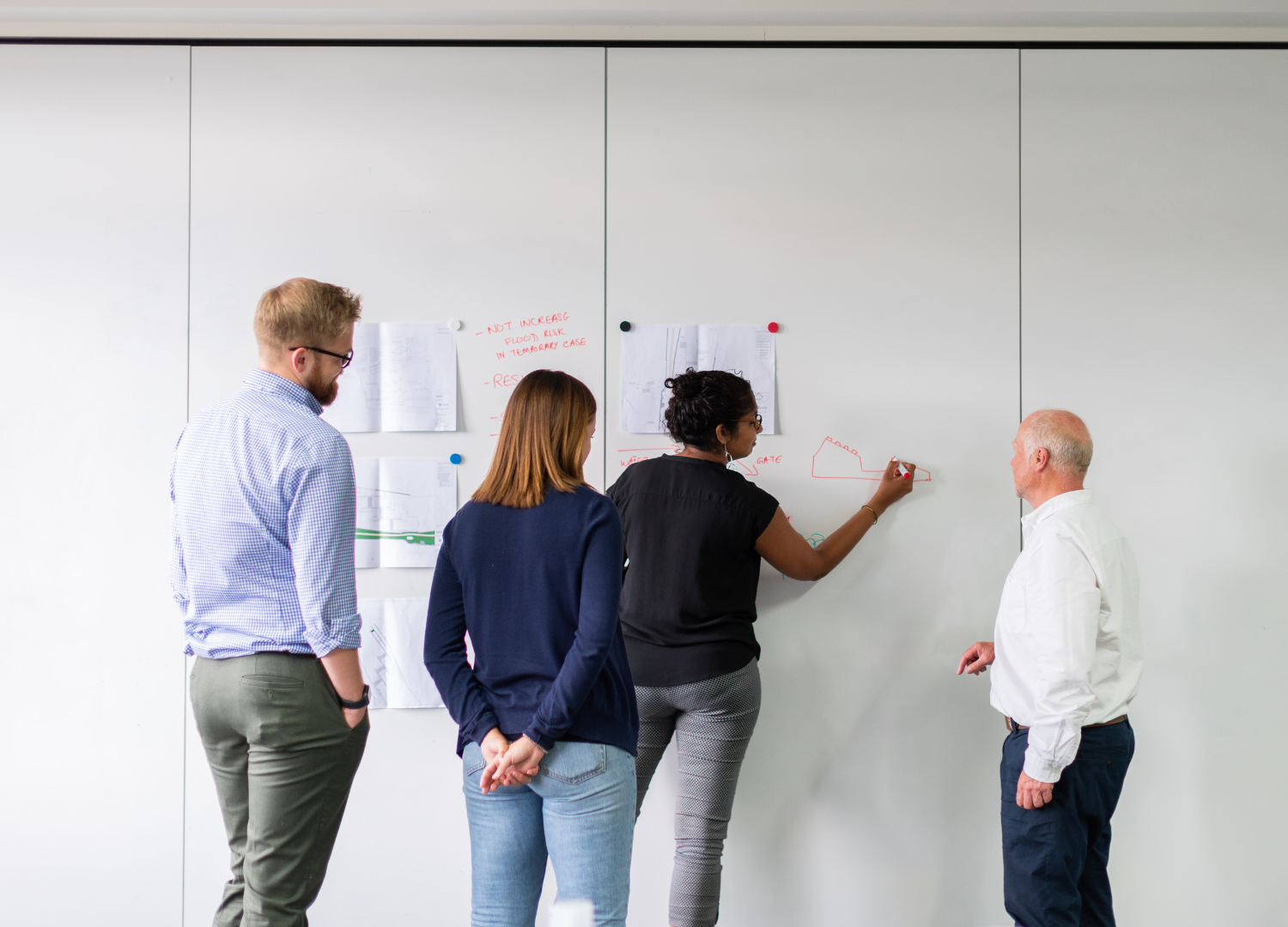
Two males and females working on large post-it on wall.

From CAD modeling to virtual experience development for AR/VR devices — such as Apple Vision Pro — this course explores Dassault Systèmes’ 3DEXPERIENCE platform and its most widely used applications.

Course modules

  • Part design: CAD modeling
  • Assembly design: assemblies, kinematics, and motion
  • Creative experience: virtual experience development

Learn how to use one of the leading CAD platforms in the industry to:

  • Create detailed and complex 3D models
  • Improve designs through kinematic and assembly-based analysis
  • Translate models into interactive virtual experiences using AR/VR devices

This course serves as a starting point for exploring Virtual Twins technology at the Birck Nanotechnology Center (Virtual Twins@Birck).

Note: Windows computer required (Mac not supported).

Time: Mondays, TBD

Session 1: TBD

Location: TBD


NEW: Engineering Leadership Fundamentals (ELF)


Leadership skills are essential for success in the modern engineering industry; however, this area of study is often underrepresented in traditional undergraduate engineering curricula.

The Engineering Leadership Fundamentals MILESTONES bridges this gap through case studies, collaborative discussions and engaging activities. The course is taught by experienced undergraduate engineering leaders who bring novel perspectives and practical insight to the material.

Students develop competencies in visionary goal-setting, conflict resolution, effective delegation, influential decision-making and more, all within the context of engineering challenges. Whether aspiring to lead design teams, launch startups or manage large-scale engineering projects, participants build a strong foundation in leadership principles.

Time: Mondays, TBD

Session 1: TBD

Location: TBD

Prototyping and Manufacturing

CAD/3D Printing

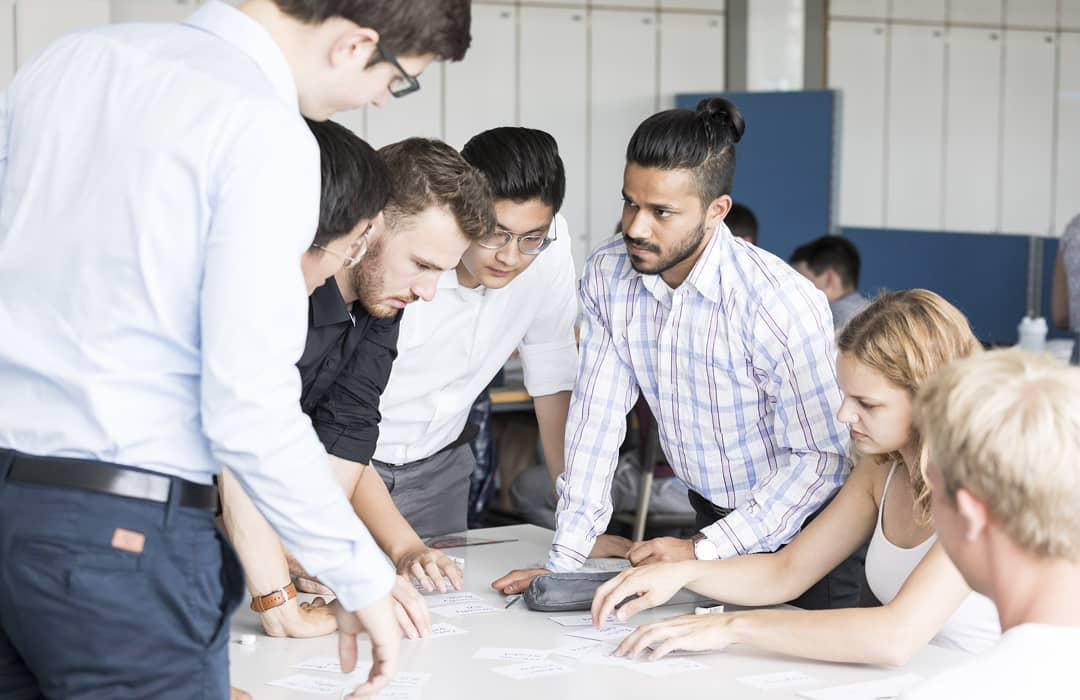
Group of students working together at a table.

The CAD/3D Printing Milestone is designed to provide students with the necessary tools to navigate CAD software, create designs with intermediate-level geometry, approach design problems from multiple perspectives, and bring ideas to life through 3D printing. Each session lasts approximately two hours.

This course is taught in collaboration with Purdue University's chapter of the American Society of Mechanical Engineers (ASME).

Time: Mondays, 8:30-10:30 p.m. / Asynchronous

Session 1: June 8–July 10

Location: Virtual / Brightspace

If an instructor or student is unable to attend a meeting, a make-up week will be scheduled to complete any outstanding work.


Fundamentals of Mechanical Design (SOLIDWORKS)

This MILESTONE course introduces students to the fundamentals of mechanical design using SOLIDWORKS. The course is structured to prepare students for the Certified SOLIDWORKS Associate (CSWA) exam by emphasizing parametric modeling, design intent and applied problem-solving.

Time: Asynchronous

Session 1: June 8–July 10

Location: Virtual / Brightspace


Finite Element Analysis (FEA)
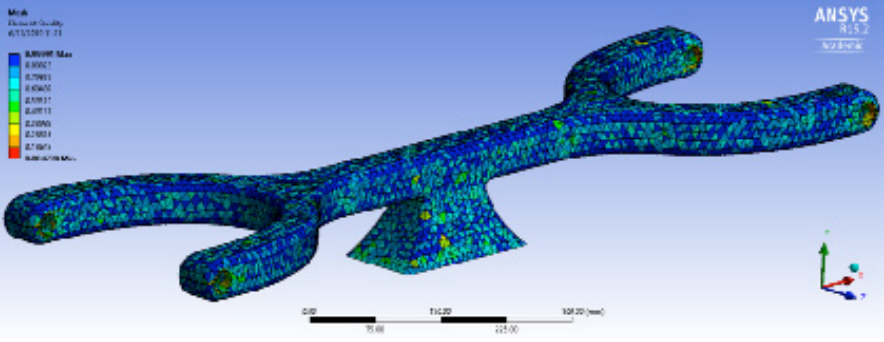
Finite Element Analysis simulation image

Finite Element Analysis (FEA) is the simulation of physical phenomena using the Finite Element Method (FEM). It allows for testing before production, reducing prototyping time and enabling simulation of complex problems such as blast wave propagation and crashes across vehicles and systems. FEA also has applications in biology for modeling injuries. Students learn mesh quality, stress analysis and boundary conditions required for structural simulations. Each session lasts approximately two hours. CAD experience is recommended.

The course is taught in collaboration with Purdue University's Chapter of the American Society of Mechanical Engineers (ASME).

Time: Asynchronous

Session 1: June 8–July 10

Location: Virtual / Brightspace


Geometric Dimensioning and Tolerancing (GD&T)


This milestone class focuses on beginner to intermediate GD&T, along with manufacturing processes and design considerations. Students learn print reading, tolerancing, datums, profiles, tolerance stackups and inspection methods. The course also covers machine shop processes, additive manufacturing, and material treatments such as heat treatment. Each session lasts approximately two hours.

This course is taught in collaboration with Purdue University's Chapter of the American Society of Mechanical Engineers (ASME).

Time: TBD

Session 1: TBD

Location: TBD

If an instructor or student cannot attend a meeting, a make-up week will be scheduled to finish any outstanding work.


Reverse Engineering - 3D Scanning

Image of a person using 3D scanning tool to create scan of a model on table.

This course focuses on exploring the fundamentals of 3D scanning technology, its principles and its applications in the field of reverse engineering. Students learn best practices for capturing intricate details and handling challenging surfaces. This course also covers software tools for cleaning, aligning and merging point clouds to create a comprehensive 3D representation, and the integration of scanned data into CAD software for modification, analysis and optimization. CAD experience is highly recommended.

Time: Tuesdays TBD

Session 1: TBD

Location: TBD

If an instructor or student cannot attend a meeting, a make-up week will be scheduled to finish any outstanding work.

Electronics and App Development

Introduction to Electronics

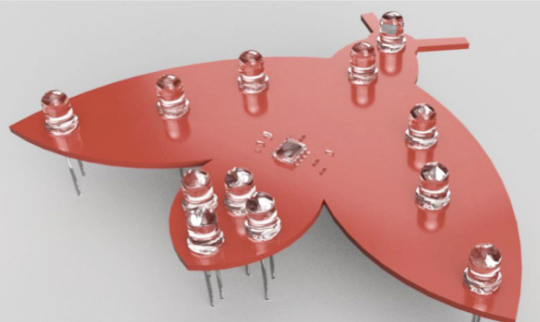
Through this workshop, students learn to build a "GoodNightLight” circuit using operational amplifiers and photoresistors. Students design, build and test a professional-grade printed circuit board (PCB) that they solder and take at the conclusion of the workshop. The course discusses the basics of electronics, covering concepts ranging from Ohm’s Law, filters and operational amplifiers. The course is meant to give students a practical look at the basic principles of circuits and their utility. Sessions are asynchronous, using an "open lab" concept. The first meeting is in person and explains the logistics of the course.

Students should budget two hours per week to get the work and come to the lab between 4-8 p.m. on Mondays.

Time: Mondays, TBD

Session 1: TBD

First in-person meeting will take place: TBD

If an instructor or student cannot attend a meeting, a make-up week will be scheduled to finish any outstanding work.


Programming with Arduino

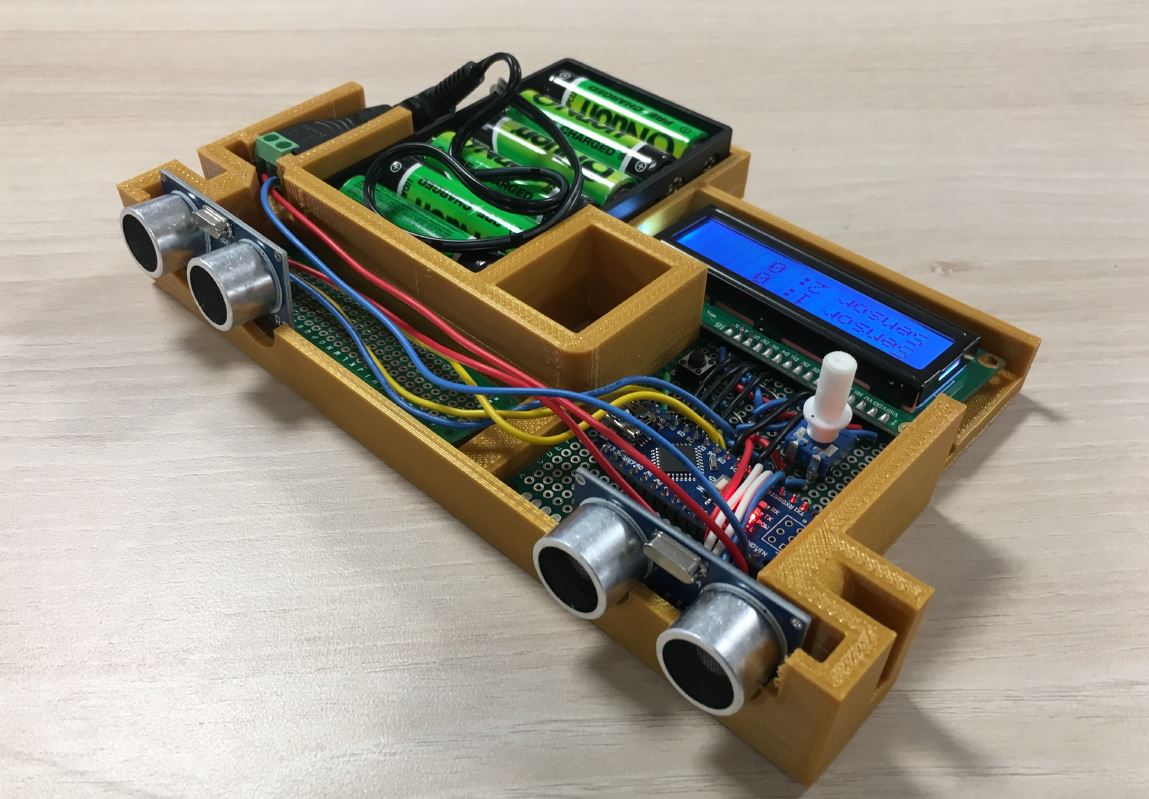
Arduinos are open-source, programmable microcontrollers that prototype a variety of electromechanical systems. They are great for demonstrating an idea or mechanism. In this workshop, students learn how to program them, make sketches, use them to take data and actuate motors. Sessions are asynchronous with an "open lab" concept. The first meeting is in person and explains the logistics of this course.

Students will get the work and be able to come to the lab 4-8 p.m. on Mondays to complete two hours of work per week.

Time: Mondays, TBD

Session 1: TBD

First in-person meeting will take place: TBD

If an instructor or student cannot attend a meeting, a make-up week will be scheduled to finish any outstanding work.

FAQs

How much does a Milestones workshop cost?

Milestones workshops are free for Purdue students.

What is the benefit of the courses?

Students gain hands-on technical experience and earn a digital badge for professional profiles such as LinkedIn.

What is the time commitment?

Each workshop includes scheduled sessions plus recommended independent practice time.

Which courses require kits?

Instructors will notify students after registration.

Do students need to attend multiple sessions?

No. Multiple sessions are offered for scheduling flexibility.

For additional questions, contact Alejandro Benitez.