
Humanitarian Engineering
Explore
Advisor Appointment
Not finding a concentration or plan of study that matches your interests? Schedule an appointment to meet with an advisor to learn more about the opportunities available through MDE.
University Catalog
Visit the Office of the Registrar University Catalog for more information on each MDE concentration's plan of study and degree/graduation requirements.
Program Map
This roadmap outlines the MDE undergraduate curriculum semester by semester, from FYE courses through senior capstone design, showing course sequencing and prerequisites.
Concentration Information

About Humanitarian Engineering
The Multidisciplinary Engineering (MDE) concentration of Humanitarian Engineering produces engineers who focus the skill and capabilities of engineering theory and practice toward aiding the greater good of humanity. Humanitarian engineers offer stakeholder-centric solutions to medical and disaster relief, global outreach, human displacement, human safety, food security, cultural awareness/sensitivity, and economic development.
Watch Video

Accredited Through ABET
The Bachelor of Science (BS) program in Multidisciplinary Engineering is accredited by the Engineering Accreditation Commission of ABET, under the commission’s General Criteria with no applicable program criteria. Learn more about why ABET accreditation matters. Read about the program's mission, vision and goals, educational objectives, and outcomes.
Average
$72,255
Starting Salary
MDE Stats
Average Placement Rate
87%
In Industry or Graduate School
MDE Stats
Max
$129,000
Starting Salary
MDE Stats
Resources
Academic & Tutoring Resources
Explore Purdue's academic support network, from campus tutoring centers to writing help and external options, designed to help you succeed in your coursework.
Learn More
UpRise
ENE's Undergraduate Participation in Research in STEM Education (UpRise) program connects Purdue STEM undergrads with faculty-led research and professional development support.
Learn More
Career Opportunites
Build your resume, attend career fairs, and connect with employers through the Center for Career Opportunities. Explore internships, co-ops, and full-time openings to launch your career.
Learn More
Show Your Skills
Watch Video

Capstone Design
All students enrolled in Multidisciplinary Engineering (MDE) have opportunities to learn about and practice engineering design through their coursework. Before they graduate, MDE students must demonstrate acquired skills and make use of their acquired knowledge through a major culminating design experience referred to as Capstone Design. This senior-year experience is the ultimate opportunity for students to provide evidence they are prepared for work in engineering practice!
Learn More
Student and Alumni Stories
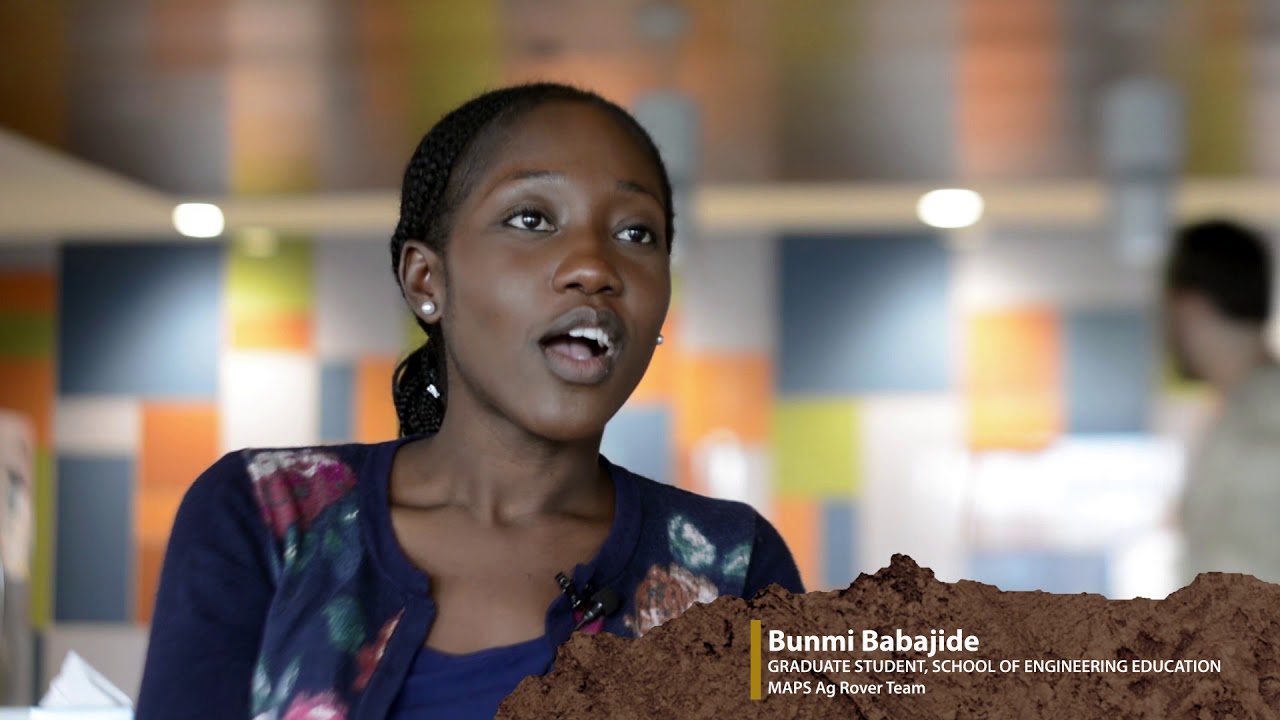
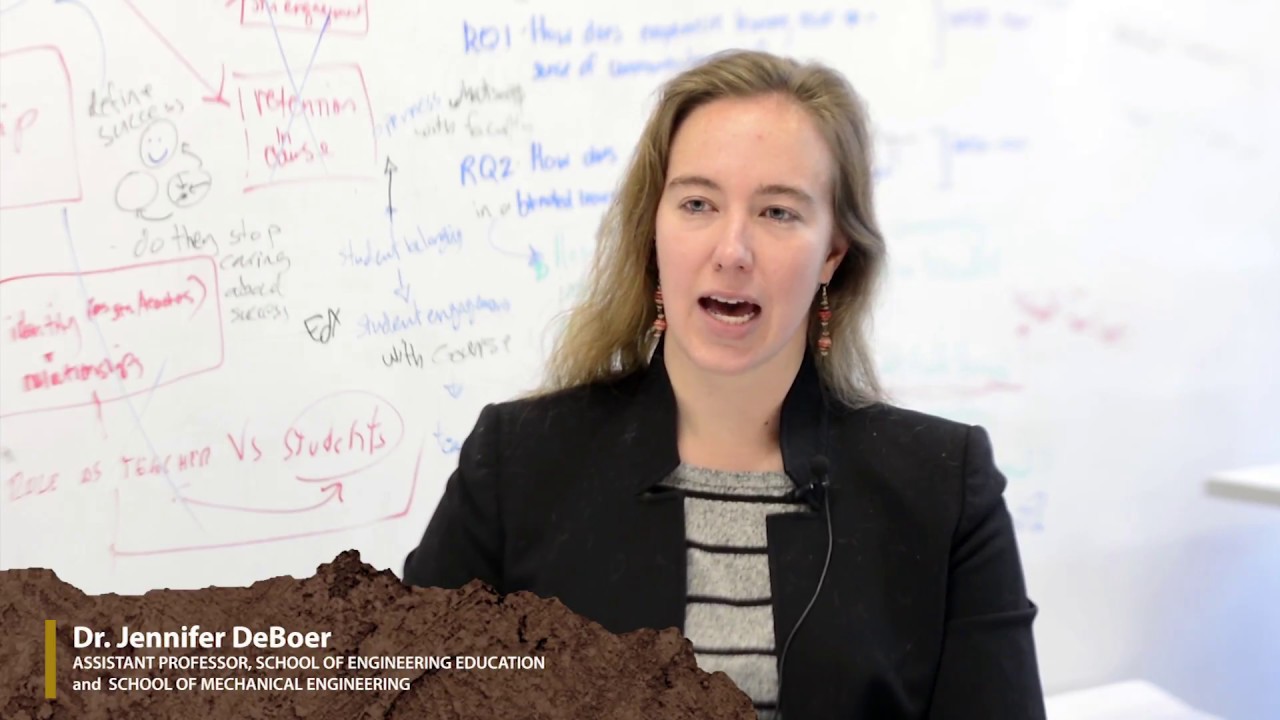
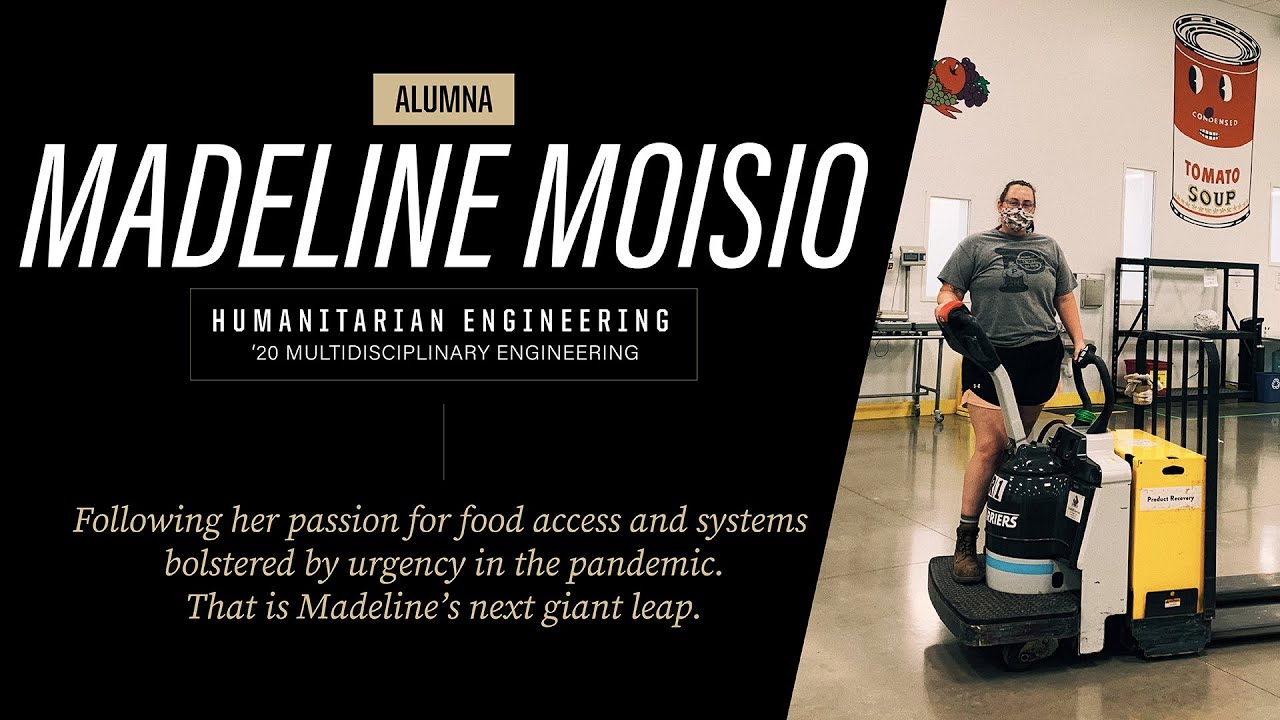
Which Purple Squirrel Are You?

Could you be the Purple Squirrel sought by today's employers?
The proud mascot of the Purdue School of Engineering Education's undergraduate programs is a Purple Squirrel, which exemplifies the rare and highly sought-after job candidate who perfectly matches a specific role’s requirements...possessing the ideal combination of skills, experience, and qualifications to hit the ground running with minimal training.
The term highlights the difficulty employers have in finding such candidates, implying these graduates are as elusive as a purple squirrel in nature.
Multidisciplinary Engineering Concentrations

Acoustical Engineering
Integrating the science of sound with the design of sound systems (improving sound quality or limiting noise)
Learn More

Humanitarian Engineering
Integrating engineering theory and practice with aiding the greater good of humanity
Learn More

Theatre Engineering
Integrating civil, mechanical, and electrical engineering with the humanities, computer science, and field of entertainment arts
Learn More

Engineering Management
Integrating technology and innovation with the business enterprise and leadership
Learn More

Educational Engineering
Integrating engineering concepts and methods with educational theory and practice to reimagine learning experiences and professional development
Learn More

Visual Design Engineering
Integrating design methods and principles to understand and address multi-faceted needs (human-centered, ethical, socially and globally relevant, and economically and environmentally sound)
Learn More

General Engineering
Providing a solid foundation in engineering with flexibility to customize depth and breadth for broad placement
Learn More

Entertainment Engineering
Combining engineering fundamentals with the arts to design and build the systems behind live performance, themed attractions and immersive entertainment.
Learn More