Concentration Information

Round, gold play button icon.
Video thumbnail.

About Acoustical Engineering

The Multidisciplinary Engineering (MDE) concentration of Acoustical Engineering attracts problem solvers and opportunity makers interested in sound in the natural or made world. Acoustical engineers may be concerned with limiting unwanted sound (noise) or improving and enhancing sound quality. Students interested in acoustical engineering are sometimes musicians or have an interest in how sound impacts the environment around us.
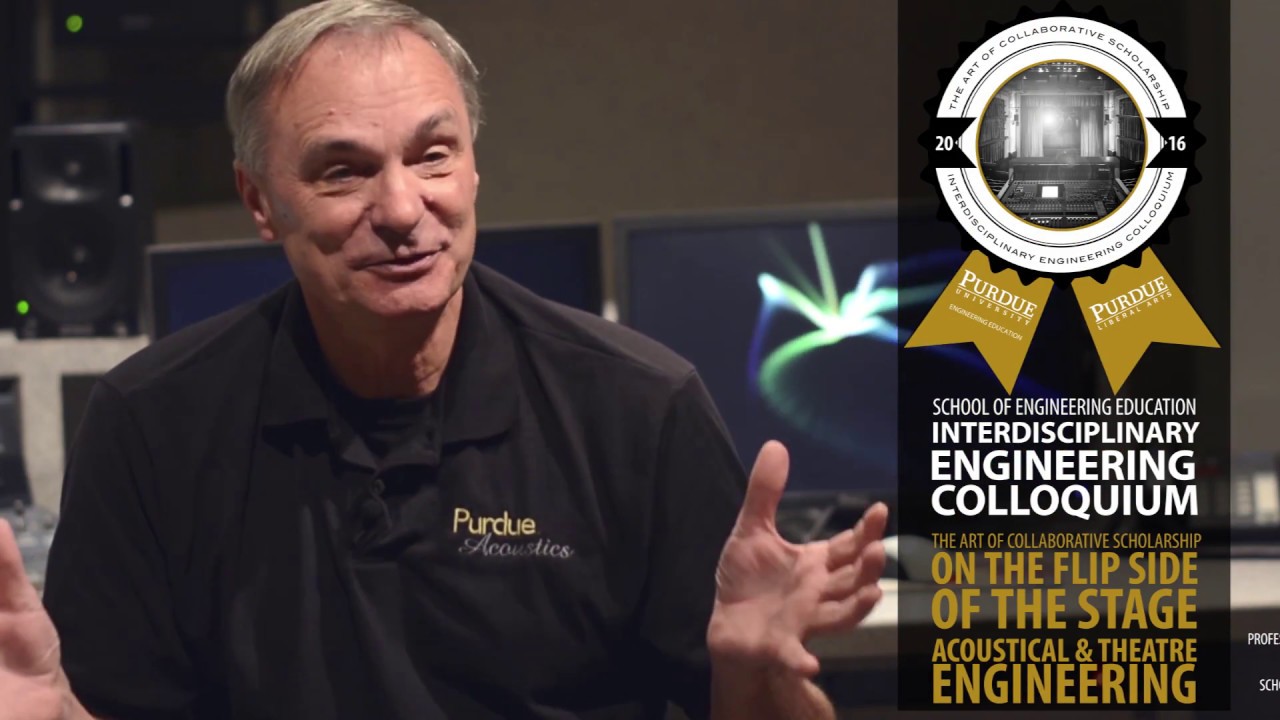
Watch Video

Accredited Through ABET

The Bachelor of Science (BS) program in Multidisciplinary Engineering is accredited by the Engineering Accreditation Commission of ABET, under the commission’s General Criteria with no applicable program criteria. Learn more about why ABET accreditation matters. Read about the program's mission, vision and goals, educational objectives, and outcomes.

Max

$129,000

Starting Salary

MDE Stats

Average

$72,255

Starting Salary

MDE Stats

Average Placement Rate

87%

In Industry or Graduate School

MDE Stats

Show Your Skills

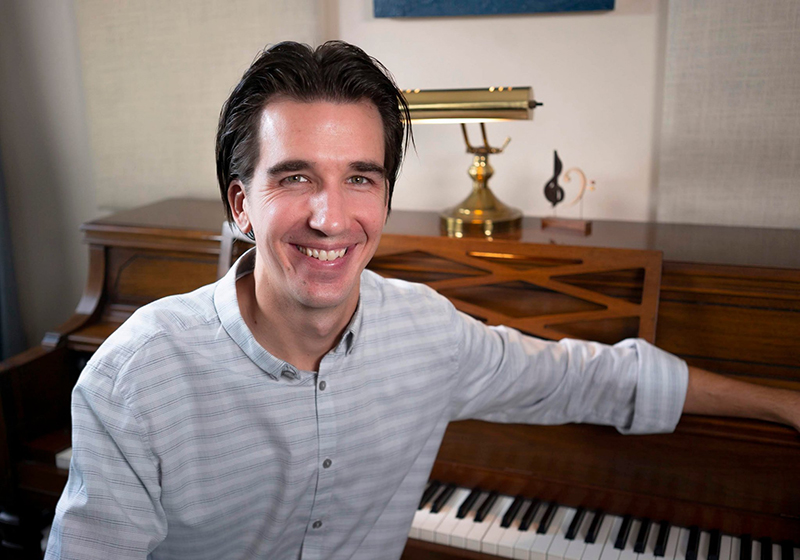
Watch Video
Round, gold play button icon.
Video thumbnail.

Capstone Design

All students enrolled in Multidisciplinary Engineering (MDE) have opportunities to learn about and practice engineering design through their coursework. Before they graduate, MDE students must demonstrate acquired skills and make use of their acquired knowledge through a major culminating design experience referred to as Capstone Design. This senior-year experience is the ultimate opportunity for students to provide evidence they are prepared for work in engineering practice!
Learn More
Which Purple Squirrel Are You?

Could you be the Purple Squirrel sought by today's employers?

The proud mascot of the Purdue School of Engineering Education's undergraduate programs is a Purple Squirrel, which exemplifies the rare and highly sought-after job candidate who perfectly matches a specific role’s requirements...possessing the ideal combination of skills, experience, and qualifications to hit the ground running with minimal training. The term highlights the difficulty employers have in finding such candidates, implying these graduates are as elusive as a purple squirrel in nature.

Frequently Asked Questions

Acoustical Engineering

  • Core Engineering Foundation: Your early coursework builds the same foundational engineering "toolbox" as broad disciplines like Mechanical or Electrical Engineering (covering core mechanics, thermal sciences, circuits, and signals).
  • Specialized Focus: Instead of taking general technical electives, you substitute upper-level, specialized sound and acoustics coursework tailored directly to your specific career pathway.
  • Professional Engineering Track: Because the MDE degree is ABET-accredited, you gain this specialized focus without sacrificing the credentials needed to pursue Professional Engineer (PE) licensure.
  • Career Paths & Industry Roles for Acoustical Engineers:

    • Architectural Acoustics & Consulting: Designing concert halls, recording studios, churches, and home theaters; isolating sound between spaces; and managing HVAC noise control.
    • Industrial & Environmental Noise Control: Reducing machinery and transit noise across the automotive, aerospace, and consumer electronics industries.
    • Underwater Acoustics: Defense contracting, submarine acoustic design, and naval sonar systems.
    • Audio System & Product Design: Engineering headphones, earbuds, microphones, hearing aids, and sound reinforcement systems.
    • Entertainment & Live Sound: Working in theater engineering, film sound design, and live concert production.

    Key Courses & Academic Highlights:

    • Engineering Fundamentals: Comprehensive foundational coursework in core mechanics, thermal sciences, fluid dynamics, and electrical circuits.
    • Advanced Mechanical Acoustics: High-level theory and analysis covering engineering acoustics, wave behavior, and industrial noise control.
    • Sound Design & Media Acoustics: Hands-on experience in audio production, sound mixing, media scoring, and theater audio technology.
    • Flexible Hands-on Electives: Freedom to tailor laboratory requirements to your career path by selecting relevant hands-on labs across different engineering departments.

    • Close Mentorship: Because MDE is a tight-knit program (approx 60-70 students across all concentrations), students receive dedicated individual guidance from MDE faculty directors, academic advisors, and specialized industry/theater mentors like Prof. Rick Thomas.
    • Acoustical Society of America (ASA) Student Chapter: Student-run organization connecting audio enthusiasts across campus with projects, networking, and industry outreach.
    • Audio & Music Clubs: Opportunities like WBAA / WBAA-affiliated radio clubs (WCCR / WWI) allow students to manage live sound production, run broadcast audio equipment, and DJ campus events.

    How to Join the Acoustical Engineering Concentration:

    • Start in First-Year Engineering (FYE): All Purdue engineering students complete the common FYE core during their freshman year.
    • Select MDE during Transition to Major (T2M): At the end of FYE, submit MDE as your major choice and select the Acoustical Engineering concentration.
    • Meet with MDE Advisors: Schedule an advising session with the MDE team to tailor your plan of study to your specific area of interest (e.g., architectural acoustics, sound system design, underwater sound, or music technology).