YOUR GOALS

Two degrees. One timeline. No additional tuition surcharge.

Multidisciplinary Engineering (MDE) is designed for flexibility, making it possible for students to combine engineering with interests like communication, policy, design, languages, history, and more.

YOUR PATH

This flexible engineering program is built for students who want to solve problems by connecting technical skills with other passions and interests. Whether your interests include the arts, writing, policy, media, or history, we encourage you to explore multiple disciplines instead of limiting yourself to just one path.

If your academic and career interests align with more than one field, you can choose two majors through MDE's dual degree option.

Students interested in a Dual Degree Option should get in touch with their advisors to develop a plan of study that meets their goals. 

Not ready to commit to two majors? Start with a certificate and build from there.


EXPAND YOUR CAREER OPPORTUNITIES

Today's employers are looking for engineers who can do more than solve technical problems — they need people who can communicate clearly, collaborate across disciplines, and adapt quickly in a changing world.

As technology and AI continue to reshape industries, graduates who combine technical expertise with creativity, communication, and human-centered thinking stand out.

You will build a full range of skills that are valued by future employers and graduate programs.

  • Communication — Explain complex ideas clearly through writing, presentations, and collaboration
  • Leadership — Work across disciplines, build consensus, and lead teams toward shared goals
  • Innovation — Combine technical and creative thinking to solve problems in new ways
  • Critical Thinking — Evaluate information, ask thoughtful questions, and make informed decisions in complex situations
  • Entrepreneurship — Identify opportunities, develop ideas, and create solutions with real-world impact

STUDENTS AND ALUMNI PURSUING DUAL DEGREE OPPORTUNITIES

Theatre Engineering (MDE) + Theatre Design & Production (Liberal Arts)

Issy Block

With a dual degree, Issy Block combines theatre design and production with theatre engineering, pairing an artist's creativity with an engineer's technical rigor across mechanical design, controls, rigging, and an electrical engineering minor. Through the theatre engineering concentration, she designs and builds working stage mechanisms from concept to installation. Her path shows how students fluent in both art and engineering become valuable in a fast-changing entertainment industry.

Possible career tracks:

  • Theatrical automation and rigging
  • Scenic and stage mechanism design
  • Entertainment control systems
  • Live event and show technology
  • Themed entertainment engineering
  • Live event and concert touring engineering

Visual Design Engineering (MDE) + Studio Arts Technology (Liberal Arts)

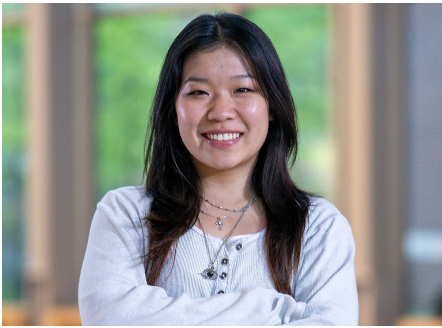
Jennifer Yu

With a dual degree, Jennifer Yu combines studio arts and technology with visual design engineering, bringing together creative design, critical thinking, and technical problem-solving for a career in product design within consumer product or entertainment industries. Her path shows how engineering, digital design, and artistic practice can prepare students to create user-centered solutions, interactive media, digital products, and immersive visual technologies across creative and technical fields.

Possible career tracks:

  • UX/UI design
  • Digital product design
  • Interactive media design
  • Game and entertainment design
  • Virtual and augmented reality design
  • Creative technology development

POSSIBLE DEGREE PAIRINGS

COLLEGE OF ENGINEERING COLLEGE OF LIBERAL ARTS
MDE Humanitarian Engineering Global Studies or Languages
MDE Theatre Engineering Theatre
MDE Visual Design Engineering Studio Arts & Technology or Design Studies
MDE Entertainment Engineering Film & Video
MDE Acoustical Engineering General Music Studies
MDE General Engineering History, Philosophy or Political Science

*Other possibilities available based on student interest.

Not Sure Yet? Start With a Certificate.

You don't have to commit to a second major on day one. Many MDE students begin with the Cornerstone Integrated Liberal Arts Certificate and grow it into a minor or a full second major as their interests take shape.

Step 1

Cornerstone Certificate

Start in your first year with SCLA 101 and SCLA 102, a two-course sequence built around great texts that also meets written and oral communication requirements. Then complete 9 credit hours in a Cornerstone theme such as Science and Technology, Environment and Sustainability, or Business and Management. Many of these courses can also count toward requirements in your major.

Step 2

Minor

Liked a subject? Add a few more courses in that area and turn it into a Liberal Arts minor.

Step 3

Second Major

Ready to go further? Work with your advisor to build your minor into a full Liberal Arts major and graduate with two degrees.

Each step builds on the one before it, so you can explore at your own pace.

Learn more about the Cornerstone Certificate →