Everything we do at the Davidson School of Chemical Engineering is guided by a shared commitment to excellence, discovery and impact.

Who we Are

Mission

Advance knowledge through discovery and research, educate the next generation of chemical engineers, and develop solutions to the scientific and technological challenges of our global community.

Vision

To be one of the world's premier chemical engineering programs, recognized for research impact and as a leading source of the future innovators and leaders in chemical engineering.

Values

  • Pursue Excellence: Strive for the highest standards and impact in education, research, and service.
  • Act with Integrity and Respect: Demonstrate honesty, accountability, fairness, and professionalism.
  • Serve with Purpose: Make meaningful contributions to the University, the profession, and society through leadership, engagement, and service.
  • Foster Community: Create a welcoming and supportive environment where all students, faculty, staff, and alumni are valued, respected, and able to contribute.
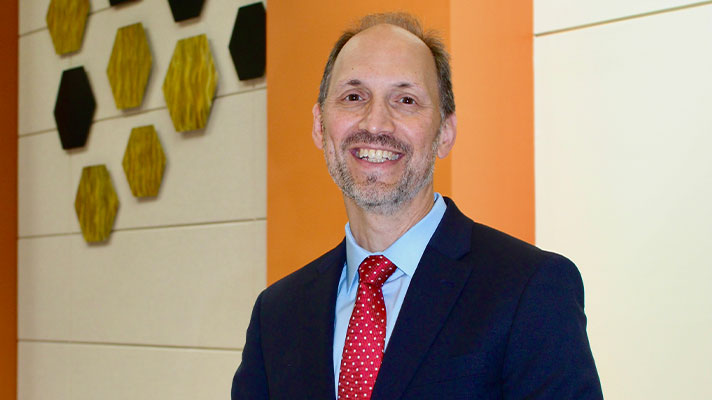
 
Chemical engineering faculty and leadership collaborating in Forney Hall
Leadership

Transforming the Future

Guided by a team of accomplished faculty and administrative leaders, the Davidson School of Chemical Engineering sets the direction for one of the nation's top-ranked programs — advancing research, education, and industry partnerships that shape the field's next century.

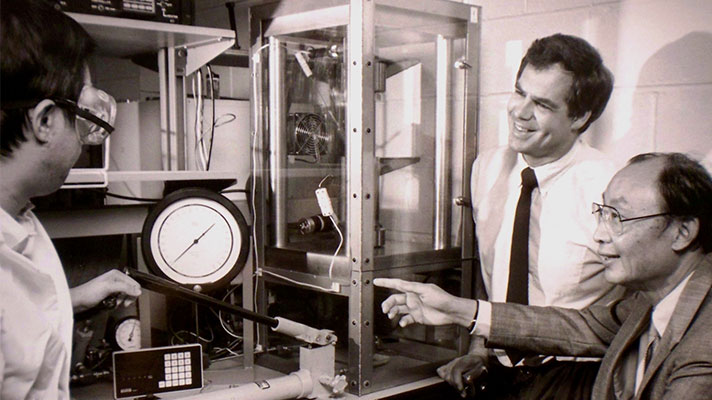
Historic photo of chemical engineering students and faculty in a Purdue lab
History

Over a Century of Chemical Engineering Excellence

Founded in 1911, the Davidson School of Chemical Engineering has spent more than 100 years preparing engineers to solve real-world problems — growing from a single academic department into one of the nation's top-ranked chemical engineering programs.

Chemical engineering faculty and staff working with students
Faculty + Staff

World-Class Educators and Researchers

Our faculty and staff bring together field-defining research, hands-on mentorship, and decades of industry and academic experience — including members of the National Academy of Engineering — to prepare the next generation of chemical engineering leaders.

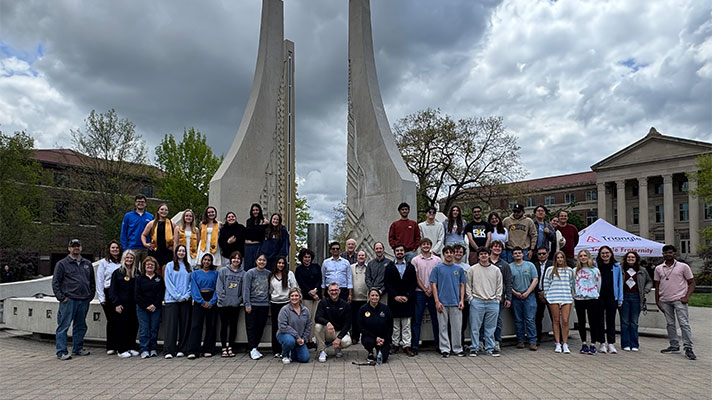
Chemical engineering students and faculty at a school event
News + Events

Stay Connected to What's Happening

From student and faculty achievements to seminars, research breakthroughs, and campus events, discover what's new across the Davidson School of Chemical Engineering community.

PMP Graduates

$90,500

Starting Salary on Average

Published in More than

50

Peer-Reviewed Journals

Home of

CISTAR

NSF Engineering Research Center

Within 5 years of graduating from the Davidson School of Chemical Engineering, our graduates are expected to achieve one or more of the following milestones:

Program Educational Outcomes
  1. Advance professionally in positions of increasing leadership responsibilities within the graduate's chosen career field.
  2. Earn an advanced degree or an advanced certification in an engineering, business, or technical field.
  3. Engage in educational, business, or technical activities with global or socially responsible implications.
  4. Publish scholarly article(s), file patent application(s), or present technical, professional or business seminars.

Our graduates will be able to:

Student Outcomes
  1. An ability to identify, formulate, and solve complex engineering problems by applying principles of engineering, science, and mathematics. 
  2. Apply engineering design to produce solutions that meet specified needs with consideration of public health, safety, and welfare, as well as global, cultural, social, environmental, and economic factors.
  3. Communicate effectively with a range of audiences.
  4. Recognize ethical and professional responsibilities in chemical engineering situations and make informed judgments, which must consider the impact of engineering solutions in global, economic, environmental, and societal contexts.
  5. Function effectively on a team whose members together provide leadership, create a collaborative environment, establish goals, plan tasks, and meet objectives.
  6. Develop and conduct appropriate experimentation, analyze and interpret data, and use engineering judgment to draw conclusions.
  7. Acquire and apply new knowledge as needed, using appropriate learning strategies.
The BS program in Chemical Engineering is accredited by the Engineering Accreditation Commission of ABET, under the commission’s General Criteria and Program Criteria for Chemical, Biochemical, Biomolecular and Similarly Named Engineering Programs.