Exploring Biomedical Engineering at Purdue University in Indianapolis
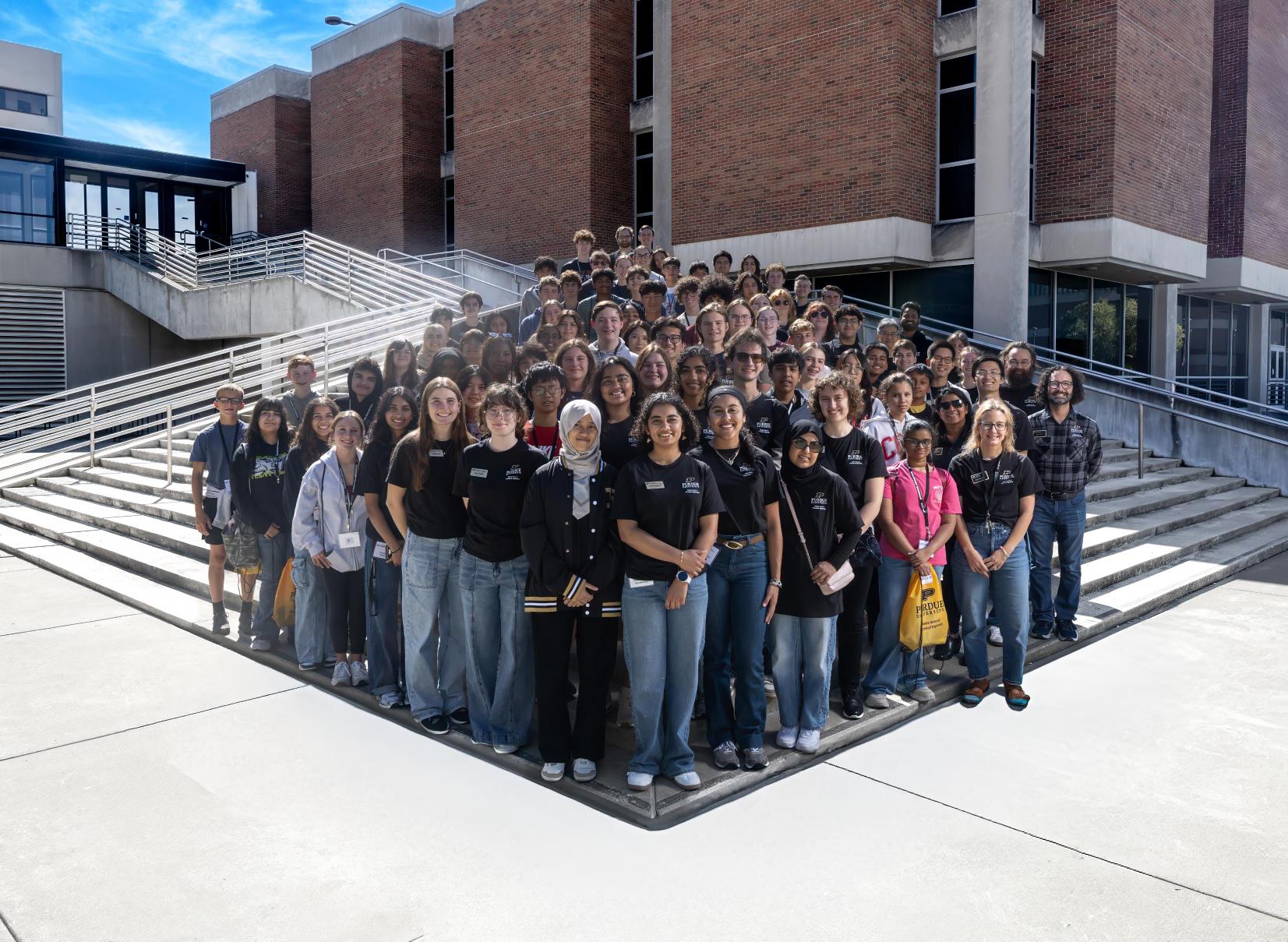
From investigating muscle activity to exploring advanced imaging techniques, high school students spent a day discovering the impact of biomedical engineering on healthcare. Exploring Biomedical Engineering at Purdue University in Indianapolis provided hands-on experiences designed to introduce students to the field's many educational and career opportunities.
On September 26, 2026, Purdue University in Indianapolis welcomed high school students from across Indiana to Exploring Biomedical Engineering at the Weldon School of Biomedical Engineering, an immersive, day-long program designed to introduce students to the exciting and rapidly growing field of biomedical engineering. The event gave participants the opportunity to experience biomedical engineering firsthand through faculty-led laboratory activities, career exploration and interactions with current Purdue students and faculty. The program was structured to give students a meaningful introduction to how engineering principles solve healthcare challenges and improve patient outcomes.
The program generated exceptional interest from prospective students, with more than 150 students expressing interest in participating. To preserve hands-on, small-group laboratory experiences and provide meaningful interaction with Purdue faculty and current students, participation was limited to 64 students based on available laboratory space and resources. The strong response reflected growing interest among high school students in careers that combine engineering, science and medicine to improve human health.
The day began with a welcome session and an introduction to biomedical engineering, giving students an overview of the field, its impact on society and the diverse areas of study and career opportunities available within the profession. Students then rotated through multiple laboratory experiences that highlighted major areas of biomedical engineering research and practice. Throughout the day, participants worked in small groups, allowing them to actively engage with laboratory equipment, ask questions and interact directly with Purdue faculty and instructors.
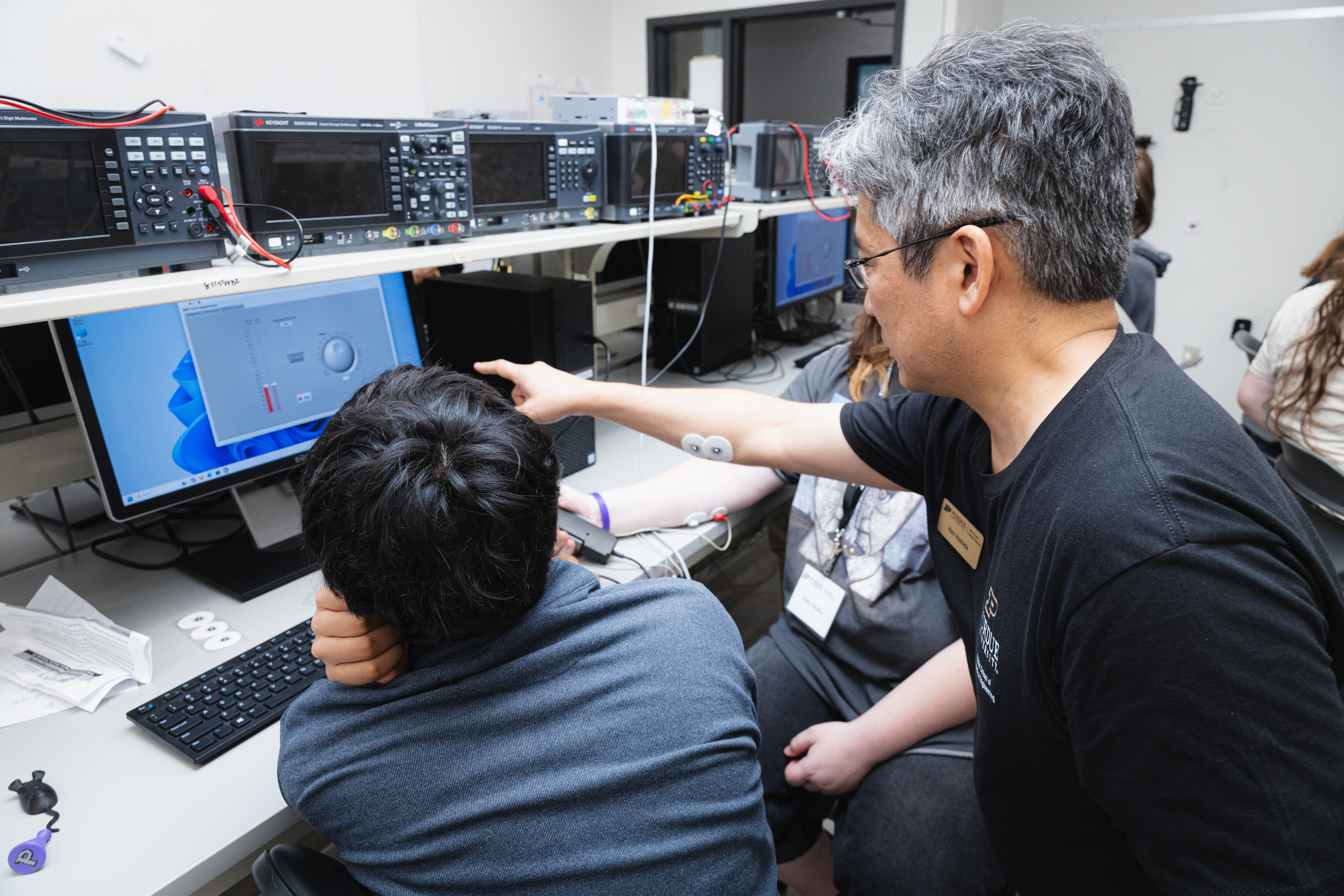
One featured experience was the Bioelectricity Laboratory, led by Ken Yoshida, professor of biomedical engineering. Students explored the relationship between muscle activation, force production and human movement using a load cell and electromyography (EMG) technology. Participants measured grip force and muscle activity while investigating how wrist position affected force generation. Students developed hypotheses, collected experimental data and analyzed their results to determine whether the evidence supported their predictions. Through this activity, they gained insight into how biomedical engineers study human movement and design experiments that contribute to advances in rehabilitation, medical devices and healthcare technologies.
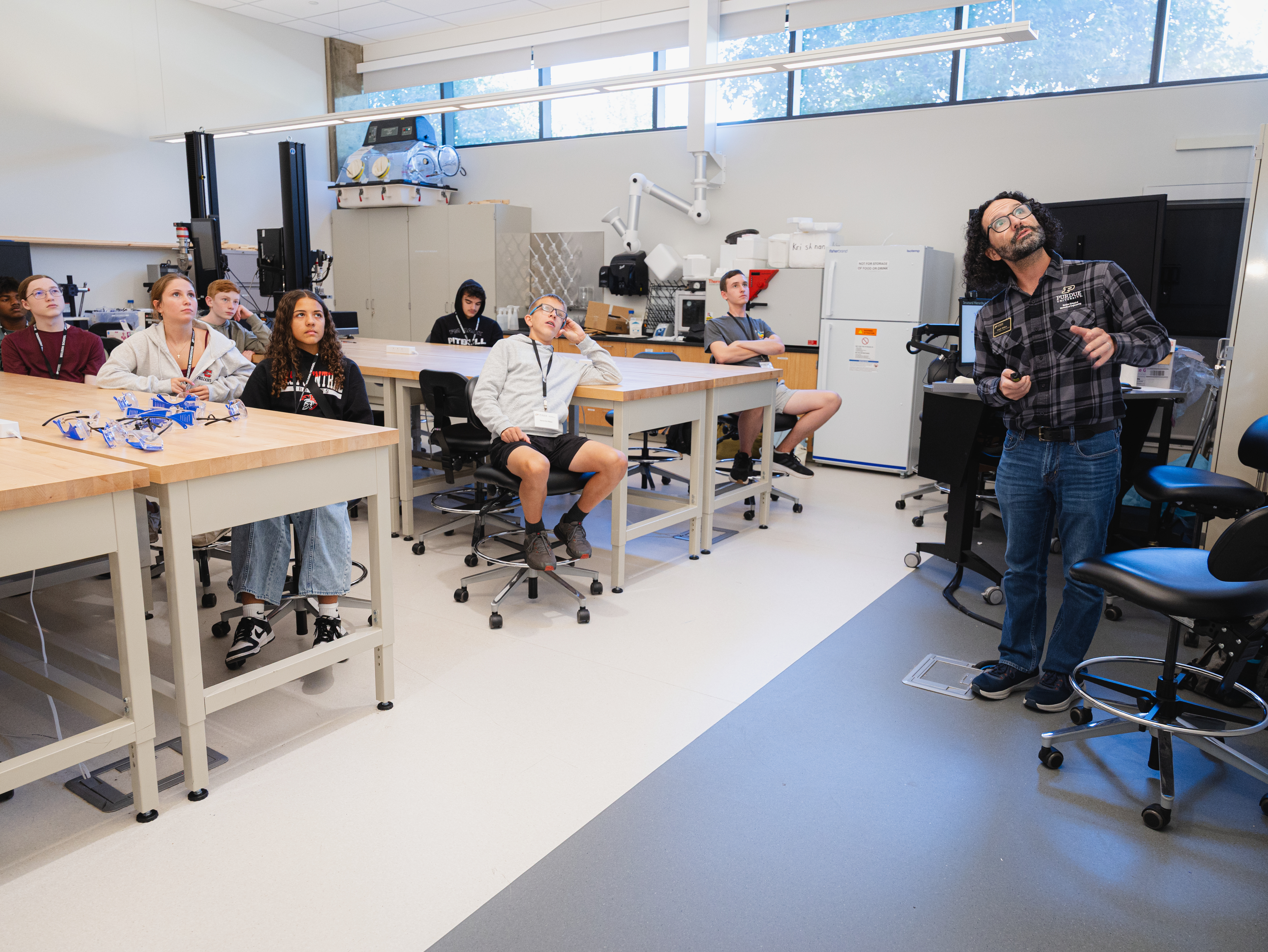
Students also participated in a Biomechanics and Mechanical Testing Laboratory, led by Joseph (Joey) Wallace, professor of biomedical engineering. This session introduced the principles of evaluating tissues, biomaterials and engineered materials used in healthcare applications. Through hands-on demonstrations involving bending, compression and cyclic loading, participants investigated how changes in material properties, shape and size influence strength and performance. The experience highlighted how biomedical engineers apply mechanical principles to understand biological systems and develop new technologies for medical treatment and patient care.
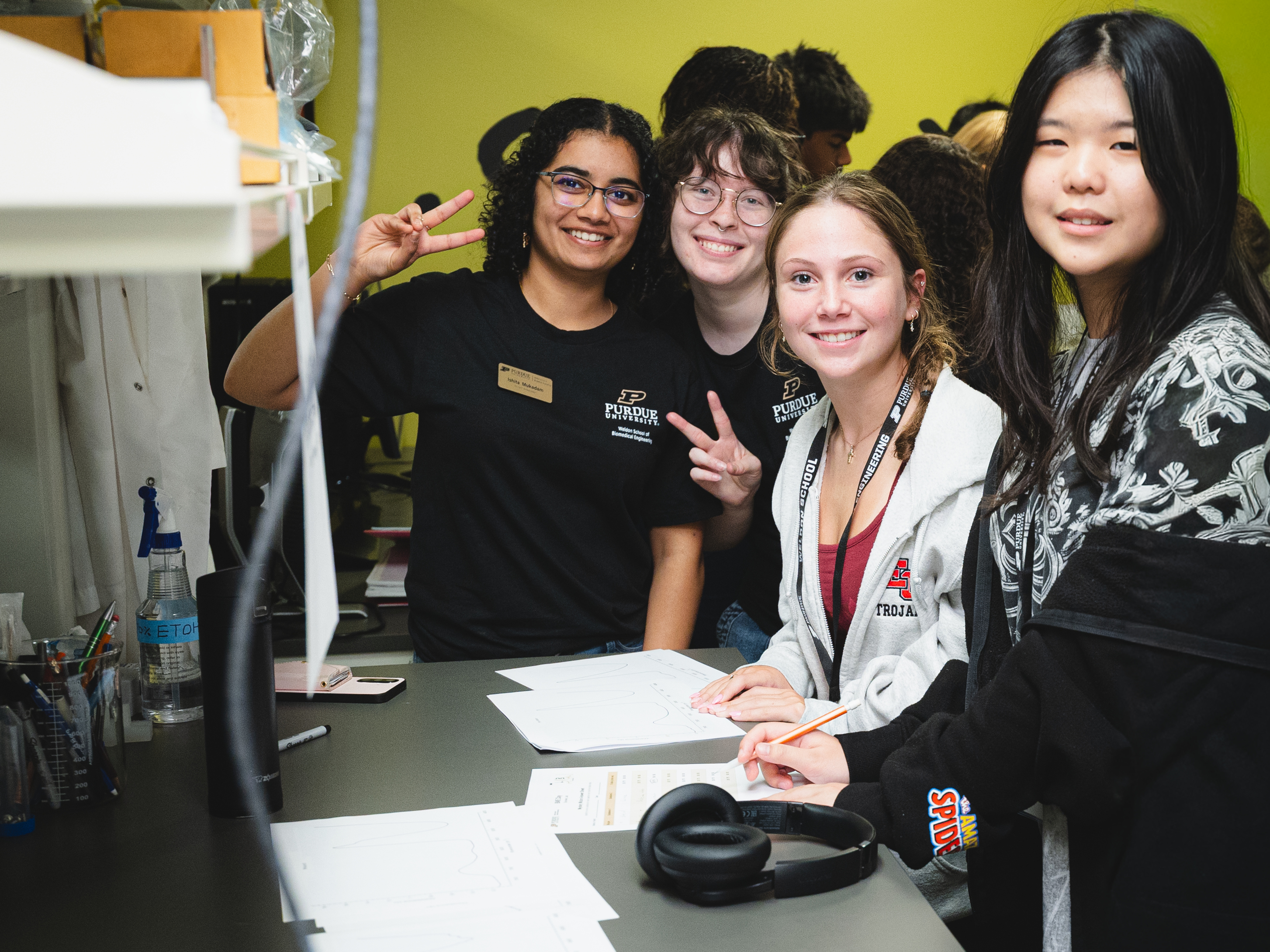
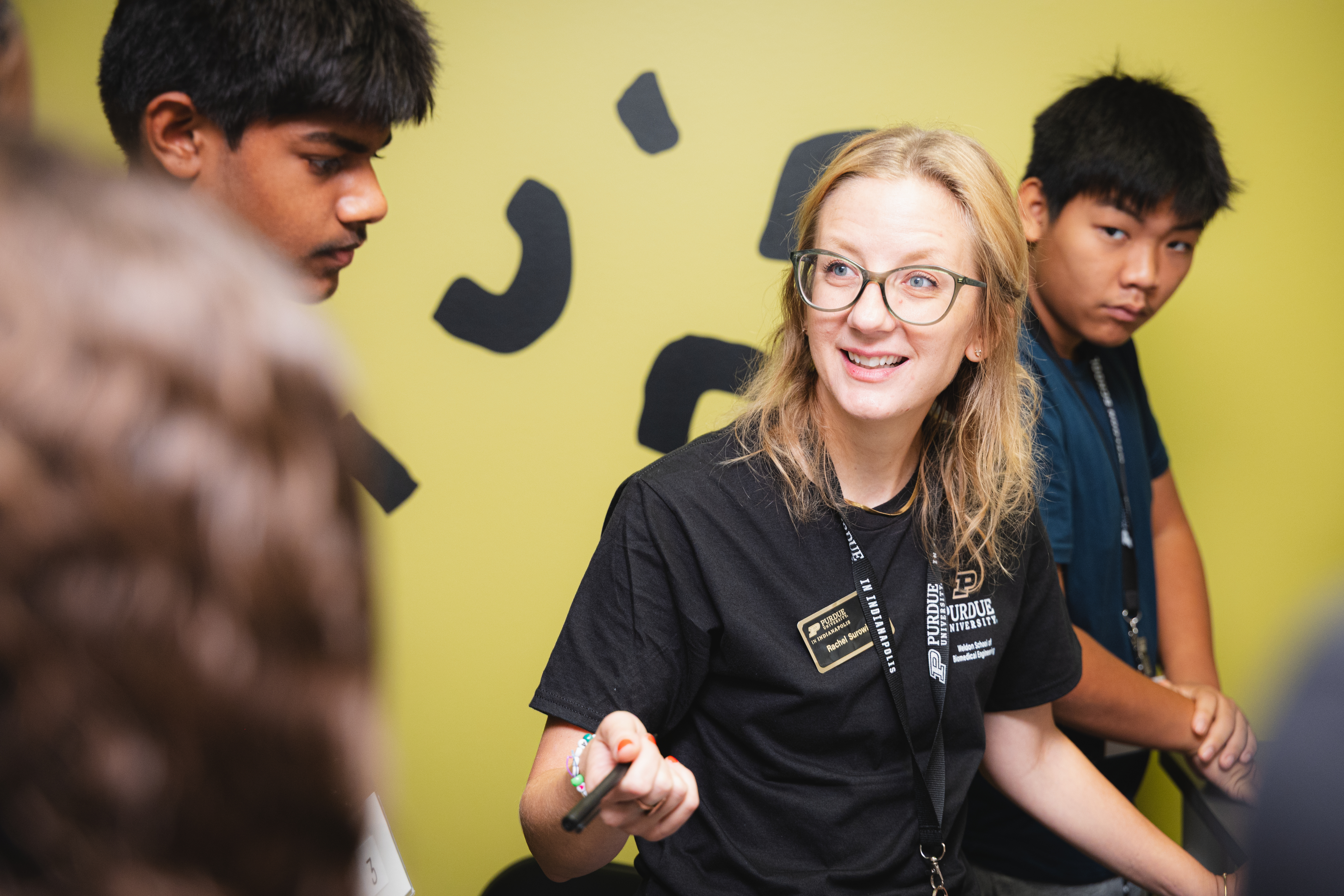
Another laboratory experience focused on bioimaging, led by Rachel Surowiec, assistant professor of biomedical engineering. Students learned how spectroscopy identifies substances based on their unique spectral signatures. Working with spectral data from unknown samples, participants matched characteristic "fingerprints" to specific substances and explored how similar techniques are used in biomedical research to study bone composition and other biological materials. The activity introduced students to analytical methods widely used in biomedical engineering, medical diagnostics and research laboratories.
Building on this experience, students participated in a workshop led by lecturers Jen Hatch and Brock Beauclair. Students used light microscopy to identify physical changes caused by disease and learned the principles of fluorescence microscopy as they captured images of neuronal structures. Through this activity, students gained insight into how imaging techniques support the identification of intervention targets and the evaluation of treatment efficacy in biomedical engineering research.
In addition to the laboratory experiences, students had the opportunity to share lunch with Purdue faculty, staff and current engineering students. These informal conversations gave participants valuable insights into student life, college preparation, undergraduate research opportunities and career pathways in biomedical engineering. The program concluded with a wrap-up session, giveaways and an opportunity for students to reflect on what they learned throughout the day.
Parents and guardians were also invited to participate in an optional information session held during the morning. The session included an overview of biomedical engineering, discussions about workforce demand and career opportunities, information about Purdue admissions and academic pathways and a question-and-answer session with Purdue faculty and staff. The parent program helped families better understand the educational opportunities and career possibilities available in the biomedical engineering profession.
By combining interactive laboratory experiences, faculty engagement and career exploration, Exploring Biomedical Engineering at Purdue University in Indianapolis provided students with a unique opportunity to discover how engineering innovation improves lives. As interest in biomedical engineering continues to grow, programs such as this help inspire the next generation of engineers, researchers, clinicians and innovators who will shape the future of healthcare. Through direct exposure to Purdue's faculty, facilities and educational opportunities, participants gained a deeper understanding of how biomedical engineering translates scientific discoveries into technologies that improve patient care and advance human health.
Source: Darshini Render, Director of Experiential Learning, Weldon School of Biomedical Engineering, Purdue University.
See more of BME Day 2026