Purdue MMRL launches Center for Critical Additive Alloy & Metal Manufacturing to strengthen U.S. industrial-base resilience
WEST LAFAYETTE, Ind. — Purdue University’s Manufacturing and Materials Research Laboratories (MMRL) has officially launched the Purdue Center for Critical Additive Alloy & Metal Manufacturing (PCAM), an industry–university research platform advancing the science, engineering, and production technologies needed to manufacture critical metals and alloys for a resilient and competitive U.S. industrial base.
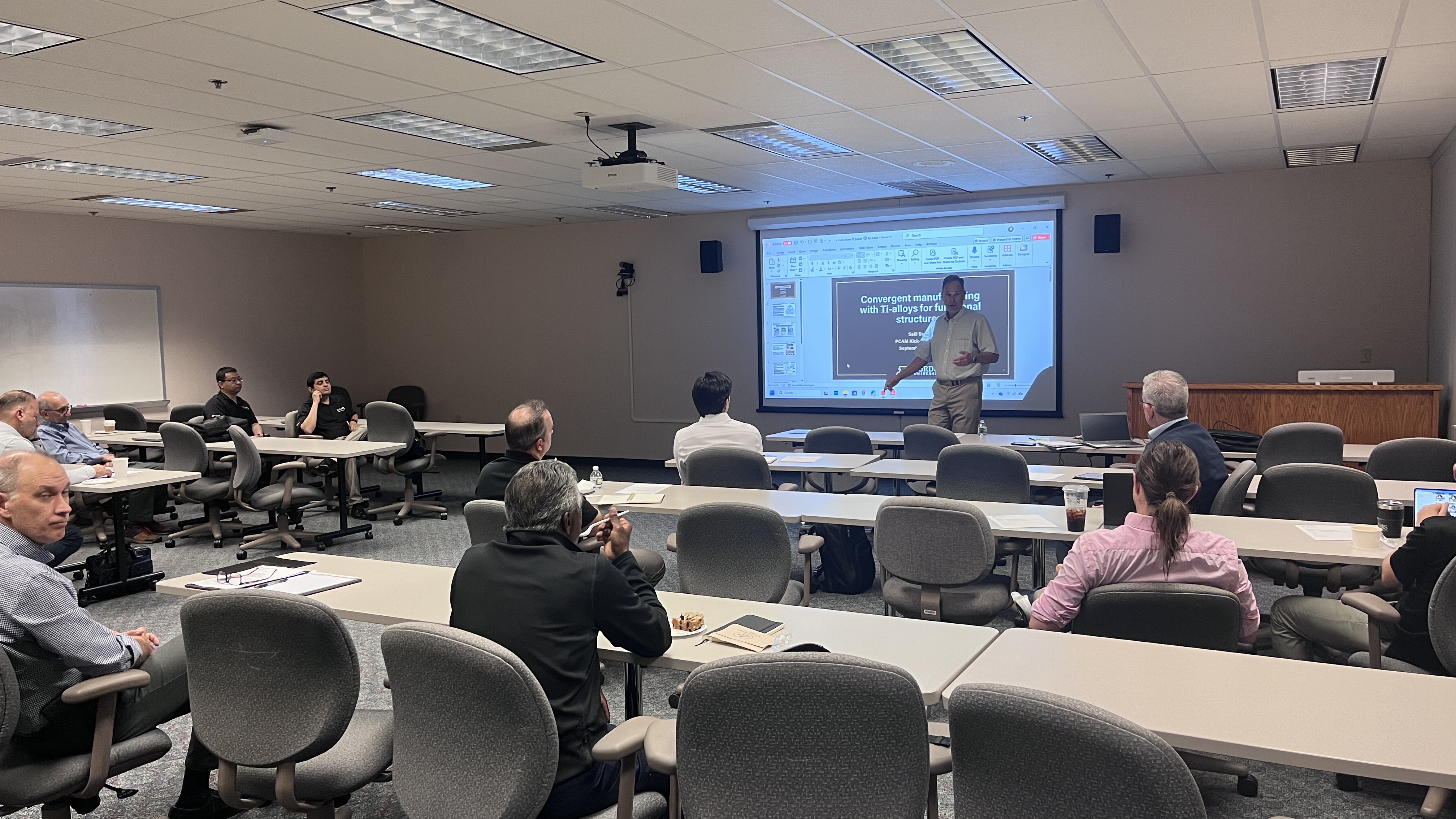
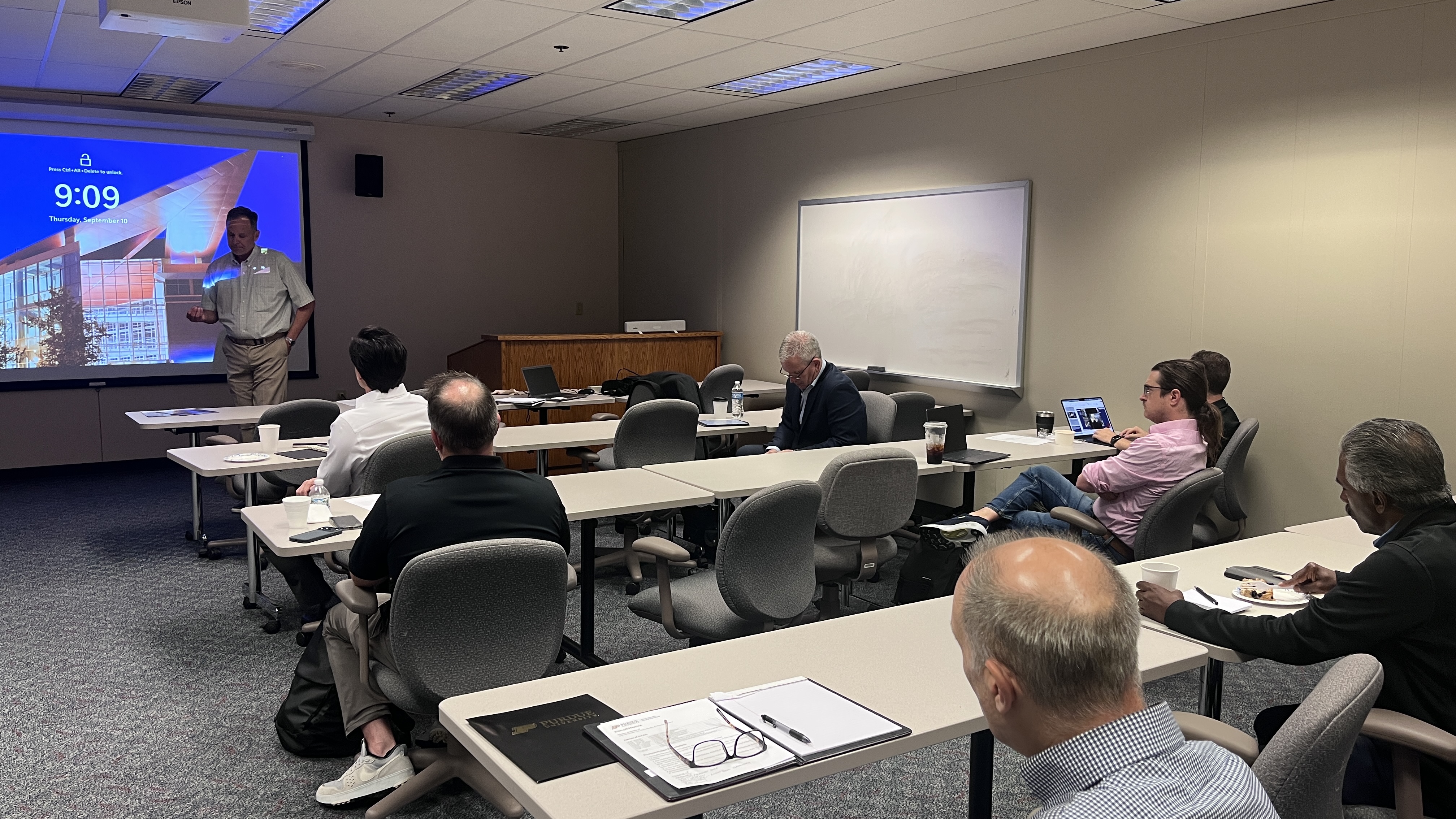
PCAM began at the MMRL Manufacturing Symposium in June 2026, where industry and university leaders identified the strategic need for a focused research platform addressing critical metals, alloys, additive manufacturing, and supply-chain resilience. That effort culminated in PCAM’s inaugural kick-off meeting on September 10 at MMRL in West Lafayette.
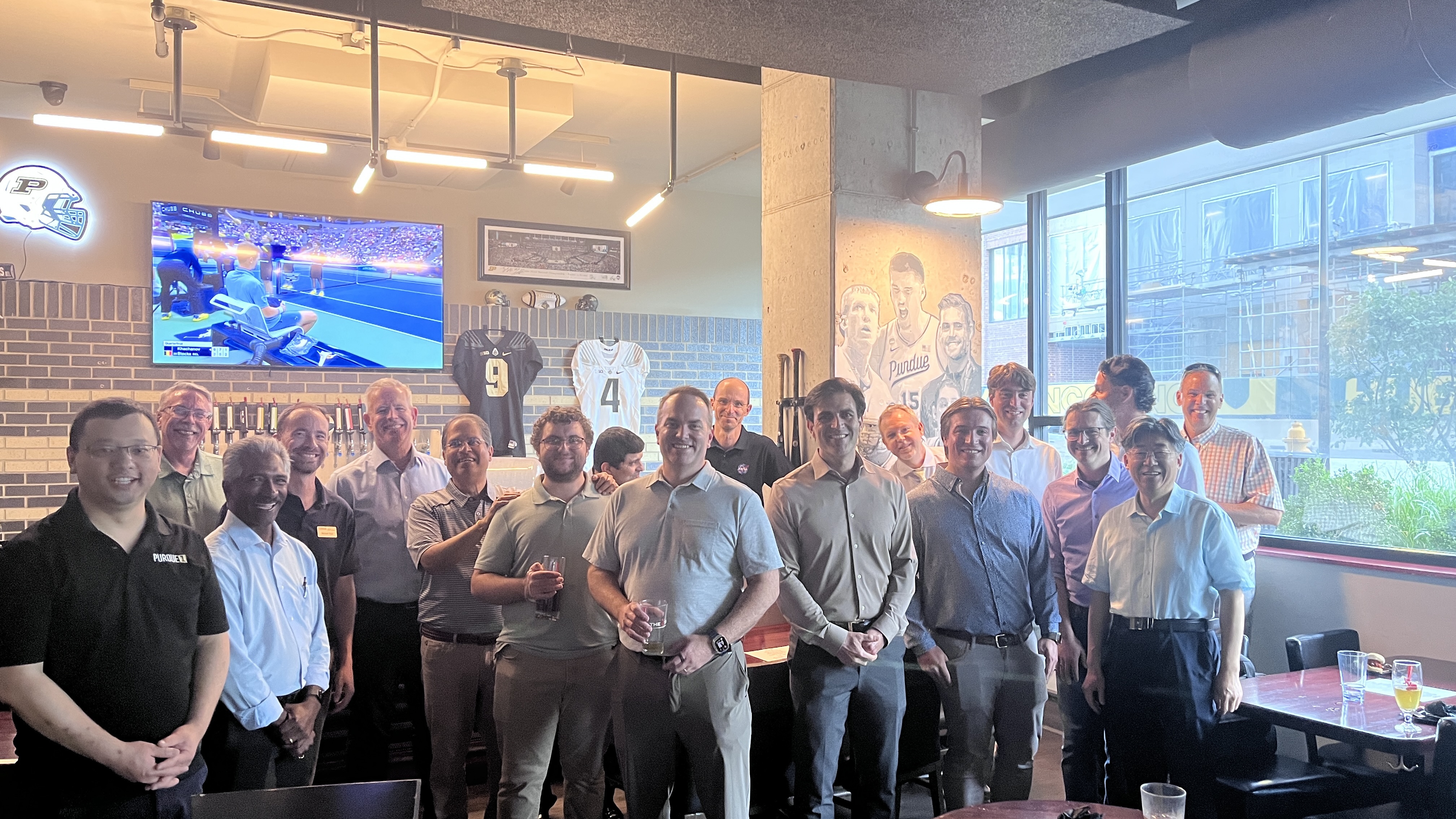
The meeting brought together founding industry members Medtronic, INTALUS, Freemelt, ATI Materials, Thermo-Calc, Renishaw, and Northrop Grumman Space Systems, establishing a collaborative model connecting Purdue faculty and industry to address fundamental and applied challenges in additive manufacturing of strategically important metals and alloys.
Critical metals and advanced alloys underpin technologies across defense, space, aerospace, transportation, electric vehicles, energy, medical systems, and advanced manufacturing. Their availability, processability, performance, and domestic manufacturability are central to U.S. industrial-base resilience. Strengthening that resilience requires not only access to materials, but also the science, processes, equipment, digital tools, and workforce needed to convert them reliably into high-performance products.
Additive manufacturing is increasingly important to this strategy. It enables material-efficient processing, complex geometries, rapid design iteration, distributed production, repair, and manufacturing closer to the point of need, strengthening supply-chain resilience while enabling advanced product performance and competitiveness. Realizing this potential requires advances in feedstock science, alloy development, process–structure–property relationships, defect control, modeling, qualification, repeatability, and scale-up.
PCAM is designed to advance basic science and applied manufacturing engineering hand in hand with industry. Through MMRL, Purdue researchers and industrial partners can investigate fundamental materials and process phenomena while addressing manufacturability, qualification, scalability, cost, and production deployment. This reflects MMRL’s broader commitment to strengthening manufacturing innovation across Indiana and the nation through research, translational engineering, advanced infrastructure, workforce development, and industrial engagement.
During the kick-off, Purdue faculty presented seven proposed projects for technical discussion and industry feedback. PCAM members selected two inaugural projects:
- Architectured Ti Alloys with Tailored Mechanical Properties and Functionalities — Professors Xinghang Zhang and Haiyan Wang
- Baseline Characterization and Predictive Framework Development of Compatibility of AM Ti-6Al-4V with Green Propellants — Professors Mike Titus and Tim Pourpoint
The projects span fundamental alloy science and application-driven manufacturing challenges, illustrating PCAM’s goal of connecting scientific discovery with demanding real-world applications. Follow-on scoping meetings will further refine technical objectives and priorities with direct industry participation.
The launch represents more than the start of a new research center. It establishes a collaborative platform through which Purdue and its industrial partners can advance the materials, manufacturing science, production technologies, and talent needed to strengthen America’s capacity to design, manufacture, repair, and sustain critical products domestically.
Through PCAM and the broader MMRL ecosystem, Purdue is reinforcing a regional and national commitment to manufacturing leadership, advancing the fundamental science that enables future technologies while working hand in hand with industry to translate that science into scalable production capability, resilient supply chains, superior product performance, and long-term U.S. industrial competitiveness.
Image Gallery