Purdue University Construction Engineering
Celebrating 50 Years of Excellence, Innovation, and Industry Leadership
1977–2027
Intro and Background
Purdue University
Founded in 1869, Purdue University is one of 68 land-grant colleges and universities established to advance education, research, and public service. Located on more than 2,000 acres in West Lafayette, Indiana, Purdue is a leading public research university consistently ranked among the nation’s top public institutions.
Purdue became coeducational in its second year and has grown into a world-renowned institution offering programs across Agriculture, Consumer and Family Sciences, Education, Engineering, Liberal Arts, Pharmacy, Nursing and Health Sciences, Science, Technology, Management, and Veterinary Medicine, with advanced degrees administered through the Graduate School.
Partnerships with government agencies, private foundations, industrial corporations, and the Purdue Research Foundation have strengthened Purdue’s leadership in research and innovation. Within the College of Engineering, Purdue’s schools and divisions have built a tradition of excellence, producing generations of engineers who have transformed industries and improved communities worldwide.
The Construction Engineering Advisory Committee
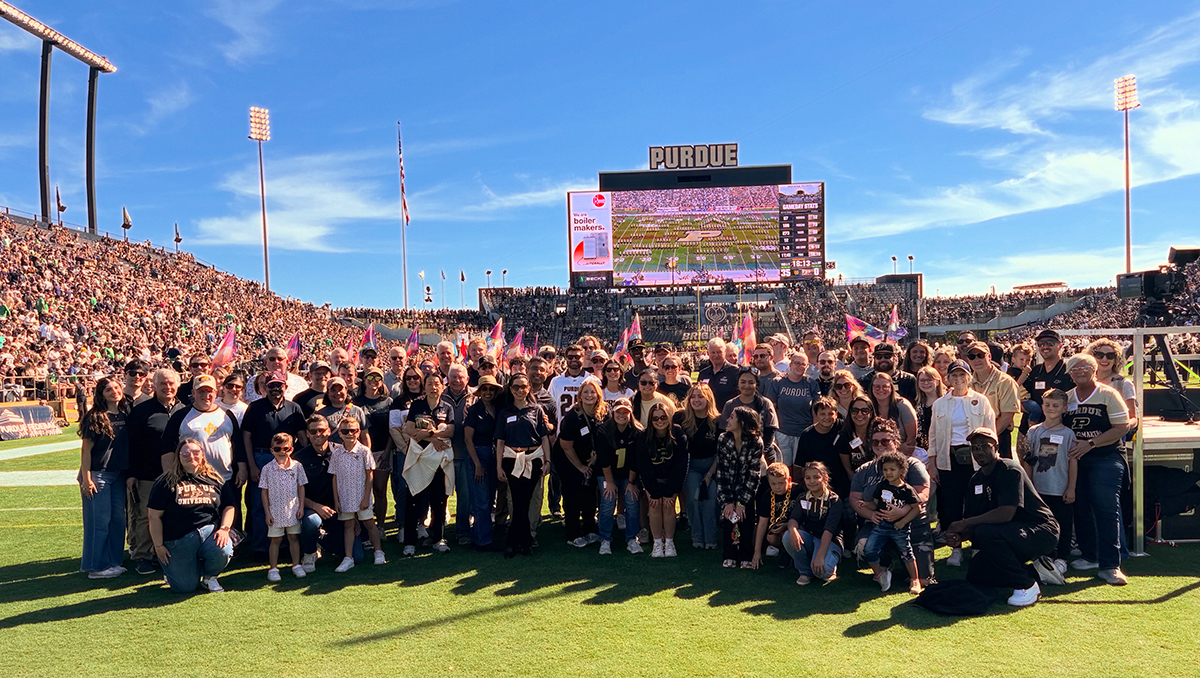
Purdue Construction Engineering’s success has long been rooted in strong industry partnerships. Since the program’s earliest years, the Construction Engineering Advisory Committee has served as a vital link between the construction industry and Purdue University.
Meeting regularly throughout the year, committee members have guided curriculum development, industry trends, student preparation, research priorities, strategic planning, and program growth. Their support helps ensure Purdue graduates are prepared for the evolving needs of the construction profession.
The Advisory Committee’s commitment to student success, industry engagement, and academic excellence has played an instrumental role in shaping Purdue Construction Engineering into one of the nation’s premier engineering-based construction programs.
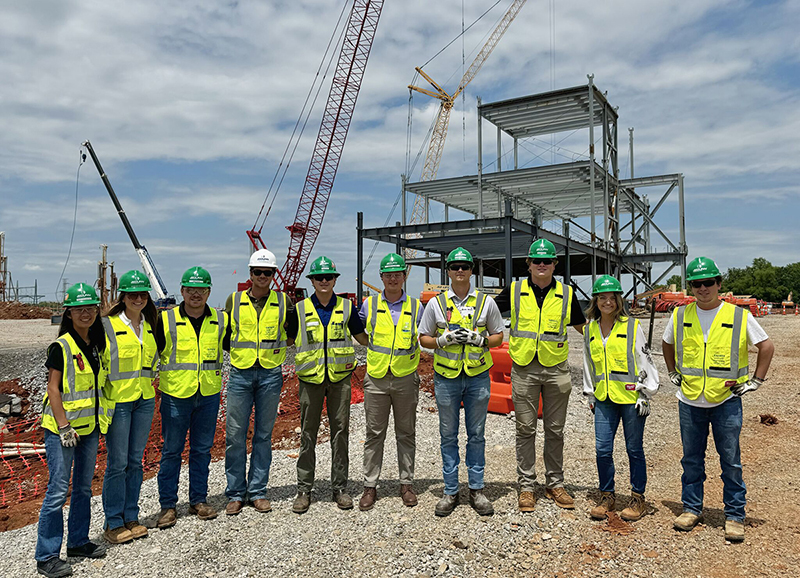
Historical Timeline
1972 (The Establishment 1972-1980)
THE IDEA BEGINS
Representatives from the construction industry met with Purdue President and Provost in May 1972 to discuss the need for a new undergraduate construction program.
1972-73
INDUSTRY INPUT
An ad-hoc industry committee was formed to identify program needs. Over 300 Indiana firms (137 responses, 45.3%) contributed through questionnaires and interviews.
1972-74
STUDY COMMITTEE DELIBERATIONS
A study committee co-chaired by industry (Mr. Scheele) and Purdue, defined the program's end-product (the graduate) and curriculum needs.
1973
DATA & VALIDATION
Provost Robinson led the validation of industry criteria through an independent review.
Results confirmed the need and shaped the curriculum.
1974
PLANNING APPROVAL
Purdue received planning approval from Indiana Commission on Higher Education to move forward with the new construction engineering.
1975
PROGRAM APPROVAL
The program approval was submitted to and received from Indiana Commission on Higher Education in early 1975.
1975-76
FUNDING CHALLENGES
New funding was required. Industry lobbied for an "allotment increase", but the General Assembly did not approve it for FY 1975-76.
1976
CURRICULUM APPROVED
The engineering faculty approved the curriculum, allowing full operation and student admission.
1977
FIRST FULL COHORT ADMITTED
The Division accepted its first class of sophomores in the summer of
1979
DIVISION ACTIVATED
The Board of Trustees approved the activation of the Division of Construction Engineering and Management.
FIRST GRADUATES
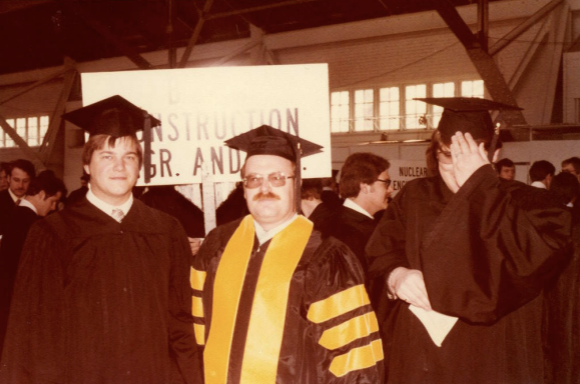
Two students graduated in May 1979.
1980
FIRST FULL CLASS
The first full class graduated in May 1980.
Founding Faculty Members
- Marion Scott
- Donn Hancher
- John Havers
- George McNelly
- John McLaughlin
Founding Construction Engineering & Management Firms
- Baker, McHenry & Welch, Inc.
- Geupel DeMars, Inc.
- J. L Wilson Co., Inc.
- The Sanborn Electric Co.
- Tousley-Bixler Construction Co., Inc.
- Wright-Bachman, Inc.
1983
April 8, 1983: The annual Construction Engineering Intern/Sponsor Workshop was held in Stewart Center, directed by Internship Coordinator Professor Lloyd Jones. Sponsor representatives Joe Fratianni (Huber Hunt & Nichols Inc.), Sewell Harlin (BE & K Construction Company), and Paul Parker (Holder Construction Company) discussed intern roles and expectations. Professor Donn Hancher, Associate Head, led a panel on “The Office Operations of the Intern Period” with Dick Soderholm (Bechtel Power Corporation), Frank McLean (Eichleay Corporation), and CNE seniors Frank Freeman, Charles Poss, and Regina Schwering.
1984
Seven students — Doug Pond, Tim Buehler, Gordon Barker, Craig Huss, Brian Holthaus, Doug Boebinger, and John Allemeier — formed Beta Tau, Purdue’s first Construction Engineering Honorary Fraternity, with Professor Donn Hancher. Created to recognize academic achievement, its first pledge class completed a surveying project for Purdue’s North and South Golf Courses. The first initiation banquet was held at The Trails Restaurant in late April, with John Allemeier elected president and Donn Hancher faculty advisor. Purdue was among the first universities nationwide with an ABET-accredited undergraduate Construction Engineering program and one of two with both ABET-accredited construction engineering and ACCE-accredited construction technology programs.
1985
March 29, 1985: Beta Tau joined Civil Engineering faculty for a volleyball event at the Purdue Co-Rec, organized by Professor James Yao, with Nancy Hulls and Susan Bell of Purdue Women’s Volleyball. During 1985–86, the Purdue Society of Construction Engineers (PSCE) grew significantly, featuring speakers Professor Luh-Chang, Jim Peller (BSCE), and Joan van Munster (BSCE). Activities included picnics, pizza parties, the Christmas Party, and Civil Engineering Volleyball Tournament, with the PSCE Spring Banquet as the signature event.
1986
Dr. John A. Havers retired as Head of the Division of Construction Engineering and Management and Head of Civil Engineering’s Construction Area. Under his leadership, Purdue’s construction program grew from one faculty member and two courses to six faculty positions, three academic programs, and 13 courses, establishing a foundation for national recognition.
1987–1988
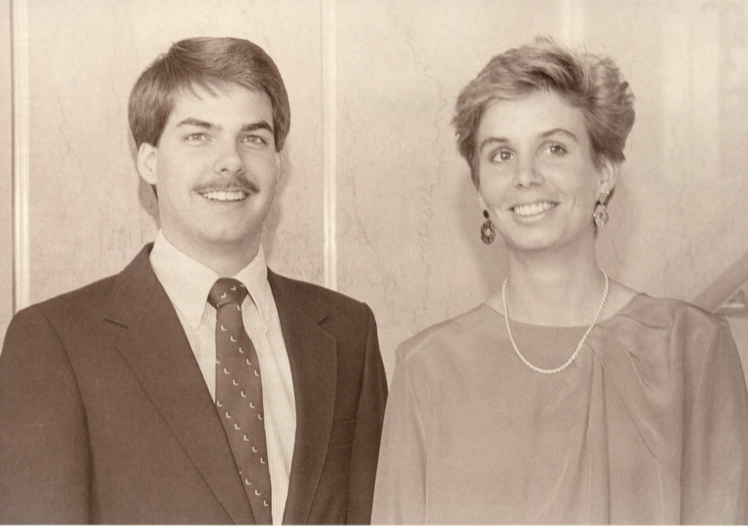
Twenty Construction Engineering and Construction students received more than $30,000 in industry grants and scholarships, reflecting Purdue’s growing partnership with the construction industry.
1989
The Construction Engineering Computer Laboratory (CNECL) was established to support education and research, advancing student learning and emerging technologies in simulation, equipment analysis, process planning, information systems, design-construction integration, robotics, automation, and expert systems.
1990
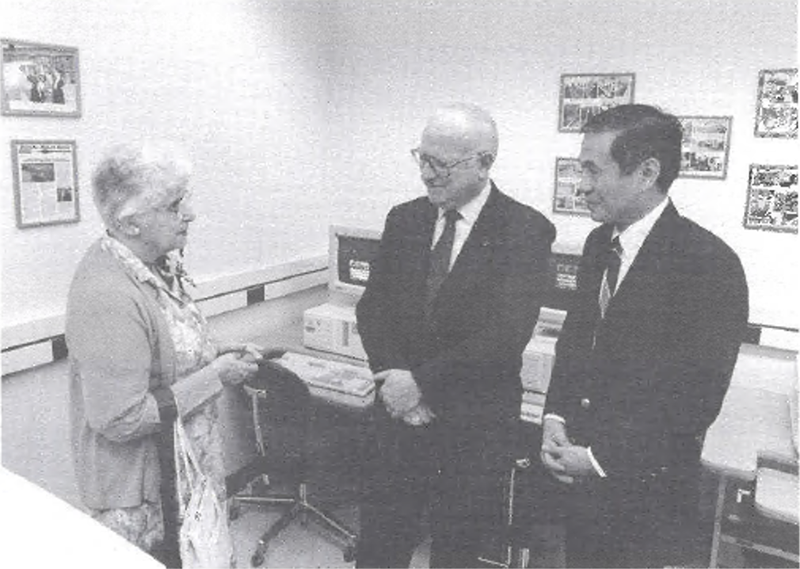
CE 425: Design-Construction Integration became the required CEM capstone course, replacing Building Construction. Developed and co-taught by Professors Carlos Vanegas and Bob McCullouch, it emphasized integrated project delivery.
1992
Beta Tau purchased a 486 IBM-compatible computer for graduate student and honorary use and established its first office in the CEM Computer Laboratory. The purchase launched a sponsor-supported effort to modernize laboratory technology, highlighted through the 1992 CEM News Report’s CEM Computer Laboratory Challenge.
1993
Twenty-seven golfers participated in the Third Annual Beta Tau and AGC Golf Outing, raising approximately $1,300 for student organizations. Previous outings had funded a computer for the CEM Computer Laboratory.
1994
Professor Lloyd Jones retired after 14 years of service, having helped develop Purdue’s nationally recognized internship program, strengthen industry partnerships, and secure financial support.
Professors Dulcy Abraham and Bob McCullouch received a $57,500 NSF equipment grant to establish a Multimedia Research Laboratory for Design-Construction Integration. McCullouch also secured an $80,000 Indiana Department of Transportation grant for multimedia applications.
1995
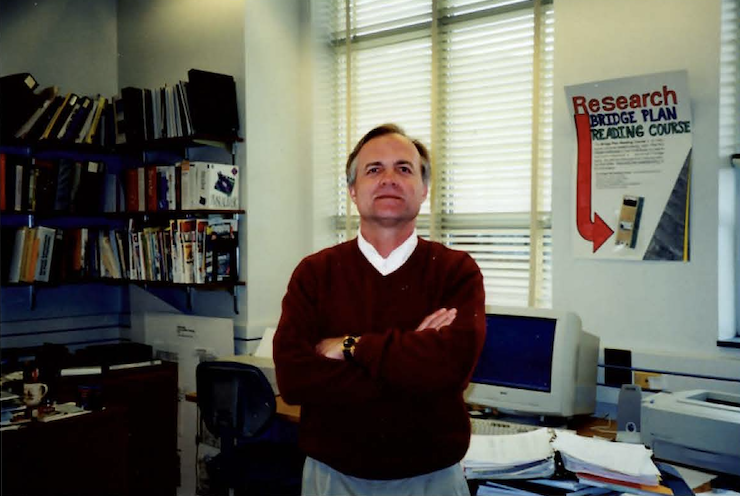
The program celebrated the 15th anniversary of its first full graduating class (1980). Historical records preserved by Dean Marion Scott documented faculty-industry collaboration during the 1970s that shaped the program’s creation.
1996
Beta Tau published its first Internship Guidebook and assisted Professor Bob Tener with incoming CEM student orientation.
Following the passing of Professor Lloyd Jones, the Lloyd Jones Memorial Scholarship was established to recognize exceptional internship performance, character, leadership, and commitment to construction.
Purdue strengthened its national leadership in Design-Build education through the Design-Build Institute of America (DBIA). Professor Bob Tener presented Purdue’s work at the 1996 DBIA Annual Conference in Washington, D.C.
1997
Beta Tau began construction of a Swiss-style playhouse benefiting the Lafayette Transitional Housing Department. Local businesses donated materials, and a public raffle supported homeless assistance programs.
Professor Dulcy Abraham expanded Purdue research in trenchless technology and underground infrastructure systems, organizing a visit to Indiana’s first microtunneling project and collaborating with Dr. Tom Iseley, Professor Sanjiv Gokhale, and Dr. Mohammad Najafi. Najafi, an MS graduate of the program, joined the IUPUI faculty in November.
1998
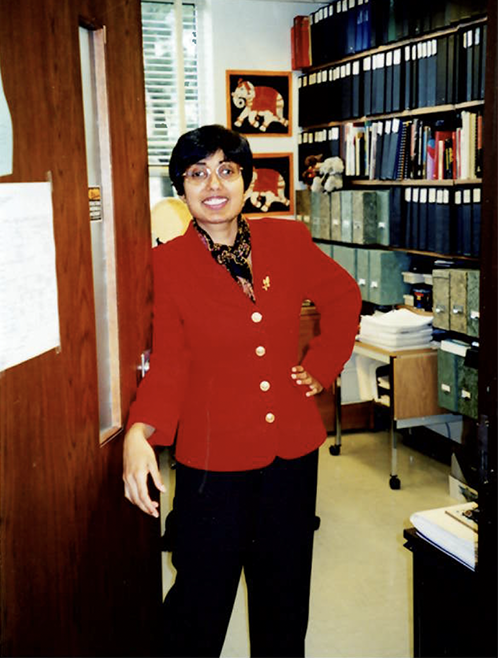
The Division celebrated the 20th anniversary of its first CEM graduating class. The Spring Internship Banquet honored alumni, faculty, students, staff, and industry partners, with Dean Richard Schwartz as keynote speaker and a performance by the Purdue Men’s Glee Club.
Mrs. Elizabeth V. Lyles provided a $42,000 gift to expand the Lyles Computing Laboratory, tripling its size and creating a dedicated computer classroom.
1999–2000
The Lyles Computer Laboratory expanded with support from Mrs. Elizabeth V. Lyles and the Lyles family, growing from approximately 300 to nearly 2,000 square feet and from 12 to more than 60 workstations. The renovated facility officially opened in August 2000 as a state-of-the-art learning environment.
1999 20th Anniversary Sponsor Firm Honor Roll:
BMW Constructors, Inc.; Barton Malow Company; Bechtel Corporation; Bowen Engineering Corporation; Calumet Construction Corporation; Charles Pankow Builders, LTD.; Eichleay Corporation; Frank Messer & Sons Construction Company; Fluor Constructors International, Inc.; Geupel DeMars Hagerman, LLC; Helmkamp Construction Company; Hensel Phelps Construction Company; Holder Construction Company; Huber, Hunt & Nichols, Inc.; Kasler Corporation; Milestone Contractors; Walsh Construction Company of Illinois.
2001
Fourth ABET accreditation review under Engineering Criteria 2000 completed; reviewers praised the curriculum and educational outcomes.
Purdue received a $700,000 NIOSH grant to establish the Construction Safety Alliance (CSA), led by Purdue with partners including the Construction Industry Institute (University of Texas), University of Cincinnati Medical School, and University of Florida.
Internship program reached a record 72 sponsor firms, mentoring students on 125 projects across 24 states.
Construction Engineers of the Future (CEF) established to promote leadership, professionalism, networking, service, and innovative learning across engineering disciplines.
2003
Phillip Dunston received the NSF CAREER Award for mixed-reality modeling and human-machine interfaces.
Dulcy Abraham inducted into the Purdue Book of Great Teachers.
Daniel W. Halpin elected to the National Academy of Construction.
Beta Tau CANstruction service project used donated cans to build a replica of Ross-Ade Stadium, supporting local food pantries and dog shelters.

2004
Daniel W. Halpin retired after 17 years as Head of the Division of Construction Engineering and Management, helping establish Purdue as a premier engineering-based construction program.
2005
Study-abroad program launched at Universidad Panamericana in Guadalajara, Mexico, combining Spanish, business, culture, and construction practices with regional project visits.
Students continued the annual John Deere Demonstration Site experience in Coal Valley, Illinois, gaining hands-on heavy equipment experience.
2006
Beta Tau welcomed 32 new members, bringing membership close to 60 students, and expanded service through Habitat for Humanity, Waveland, Mississippi rebuilding, and local school outreach.
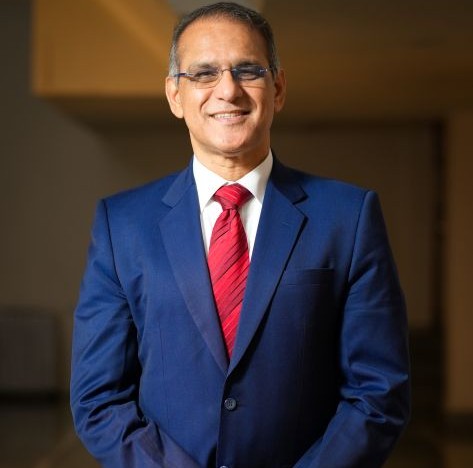
Makarand (Mark) Hastak appointed Head of CEM for a three-year term beginning January 2007, with a goal of expanding CEM as a multidisciplinary division.
Hastak joined Purdue CEM in Fall 2001 and became recognized for research in construction risk management and profitability, funded by NSF, NCHRP, CII, ODOT, and JTRP.
2007
Following the 2007 ABET review, CEM began a major curriculum transformation to establish a stronger academic identity and comprehensive CEM course portfolio.
CE 220 Construction Management, CE 221 Construction Plans and Estimates, and CE 321 Construction Planning and Scheduling were replaced by:
CEM 20100 Life Cycle Engineering and Management of Constructed Facilities
CEM 30100 Project Control and Life Cycle Execution of Constructed Facilities
CEM 30200 Practical Application for Construction Engineering
New curriculum emphasized reduced course overlap, life-cycle perspectives, and earlier hands-on application. CEM 20100 and CEM 30100 were co-listed as CE 22200 and CE 32201.
Course transition began with CE 220 modifications in Spring 2009; new CEM courses debuted under temporary numbers in Fall 2009 and moved to permanent numbers in Spring 2011.
CE 424 Human Resource Management in Construction became CEM 32400 in Fall 2011.
CE 425 Construction Practice Project became CEM 42500 in Fall 2009.
CE 524 Legal Aspects in Engineering Practice transferred to CEM in Fall 2010 and became CEM 49700 Legal Aspects in Construction Engineering.
Curriculum changes marked a pivotal shift toward a distinct CEM academic identity, integrating technical knowledge, professional practice, and life-cycle engineering.
2009
In Spring 2009, the first Chair of the CEM Industry Advisory Committee was appointed, strengthening the Committee’s ability to pursue independent subcommittee initiatives.
Subcommittees focused on benchmarking construction programs and attracting and retaining women in construction.
2010
Brandon M. Fulk (BSCNE 1998) was appointed Director of Internships for the CEM Program, strengthening industry engagement and expanding internship opportunities. The College of Engineering also received two $1 million scholarship gifts, including a gift from Robert L. and Catherine Turner supporting construction engineering and management.
2011
Following major curriculum changes, CEM established its first curriculum committee, creating dedicated faculty leadership as course offerings and student enrollment expanded.
2013
Peggy Newquist, Lindsey Gray, Cheryl Hoffman, and other Construction Engineering alumnae established the Women in Construction Mentorship (WinC) program, connecting students with industry professionals through mentorship, internships, professional development, and networking.
2015
The Devin J. Dorn Conference Room was dedicated in memory of alumnus Devin Dorn, supported by a gift from the Dorn family. The family also established the Devin Dorn Family Scholarship to support future construction engineers.

2017
CEM established the annual Construction Engineering and Management Outstanding Alumni Awards (CEMOAA). Anne Bigane-Wilson was the first recipient, recognizing professional achievement and contributions to the construction industry.

2020
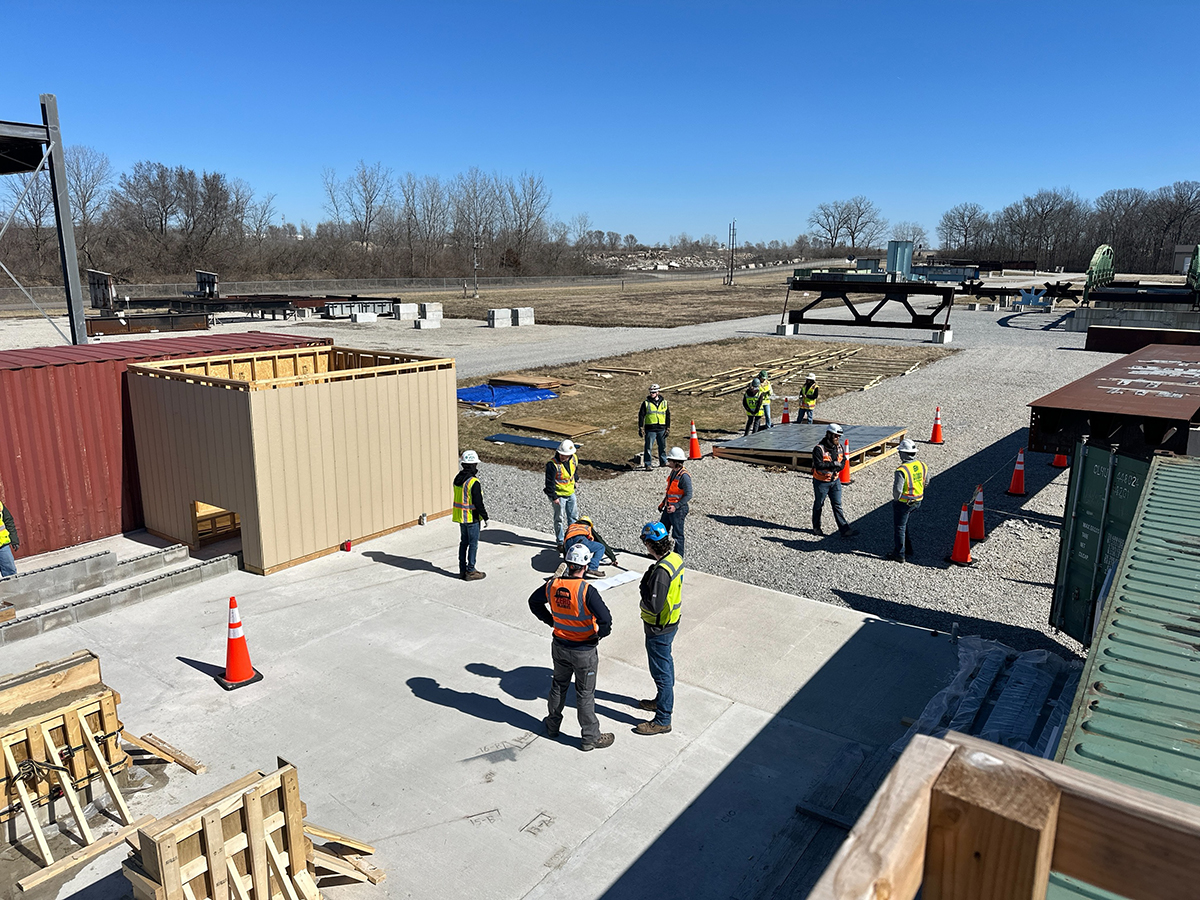
Tom Iseley was named a Beavers Heavy Construction Distinguished Fellow, recognizing his international leadership in trenchless technology and buried infrastructure. The CEM senior capstone expanded into the S-BRITE Center, providing immersive, hands-on project delivery experiences.
Sogand Hasanzadeh led the establishment of the Intelligent, Inclusive, and Safe (I2SAFE) Lab, advancing research in construction safety and intelligent built environments through grants, publications, technologies, patents, and industry partnerships.
2022
Under Professor Tom Iseley’s leadership, the Underground Construction Association (UCA), a Division of SME, was established to advance professional development, technical resources, networking, and innovation in tunneling and underground construction.
2023
The Emerging Leaders Award was introduced through CEMOAA, with Matthew Miller named the first BSCNE alumnus recipient. Students also launched The Little Hammers Podcast, creating a platform for student, alumni, and industry engagement.

2024
CEM merged with Civil Engineering to form the Lyles School of Civil and Construction Engineering (LSCCE), expanding opportunities for collaboration, education, and research. The Purdue Escape Room launched as a hands-on student project supporting recruitment, teamwork, design, and project management. Longtime staff member and “CEM Mom” Bonnie Sondgeroth retired after decades of service and mentorship.
2025
An interdisciplinary team led by Sogand Hasanzadeh, Yiheng Feng, Behzad Esmaeili, and Lu Su, with INDOT and industry partners, received a nearly $2 million U.S. DOT SMART Stage 1 Grant for smarter and safer work zones using IoT sensors, WZDx, and Digital Twin technology.
Purdue hosted the 23rd World Building Congress (WBC2025), May 19–23, marking the first time the conference was held at Purdue and only the third time in the U.S. Makarand (Mark) Hastak, CIB President, led the Congress with co-chairs Z. Torbica and Bryan Hubbard.
The Dernlan Family Leadership Academy (DFLA) was established to develop leadership, safety, communication, and project-management skills among Construction Engineering students.

2026–2027
Construction Engineering celebrated its 50th Anniversary, honoring five decades of student success, faculty excellence, industry partnership, innovation, leadership, and impact. The celebration recognizes the thousands of alumni, faculty, staff, and industry partners who helped shape Purdue Construction Engineering.