
Clinical Immersion Programs
Every summer, BME students can immerse themselves in clinical environments. Purdue Biomedical Engineering students can deepen their understanding of healthcare through clinical immersion experiences that connect engineering, medicine, and patient care. These programs let students observe clinical settings, interact with healthcare professionals, identify unmet needs, and explore how biomedical engineers contribute to medical innovation. Opportunities include two-week summer shadowing experiences such as Immersion, Networking, and Technology with Ear, Nose, and Throat Clinicians (INTENT) Clinical and Cardiovascular clinical immersion in Indianapolis, as well as expanded experiential programs such as (IN)SCRIBE and Parkview immersion experiences. Together, these programs help students build clinical insight, strengthen design thinking, and prepare for careers in medical device development, healthcare technology, research, medicine, and other health professions.
About the programs:
The Cardiovascular Clinical Immersion Program allows Purdue BME students to explore healthcare delivery and cardiovascular care through clinical shadowing experiences in Indianapolis. Students gain exposure to clinical environments, healthcare professionals, and the ways biomedical engineering connects with patient care.
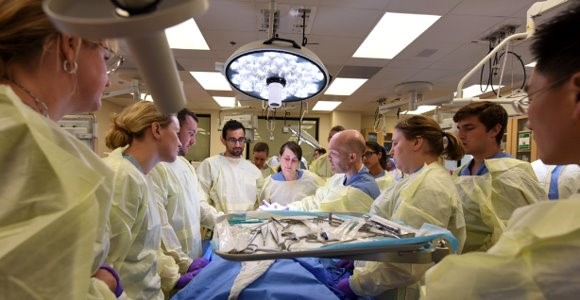
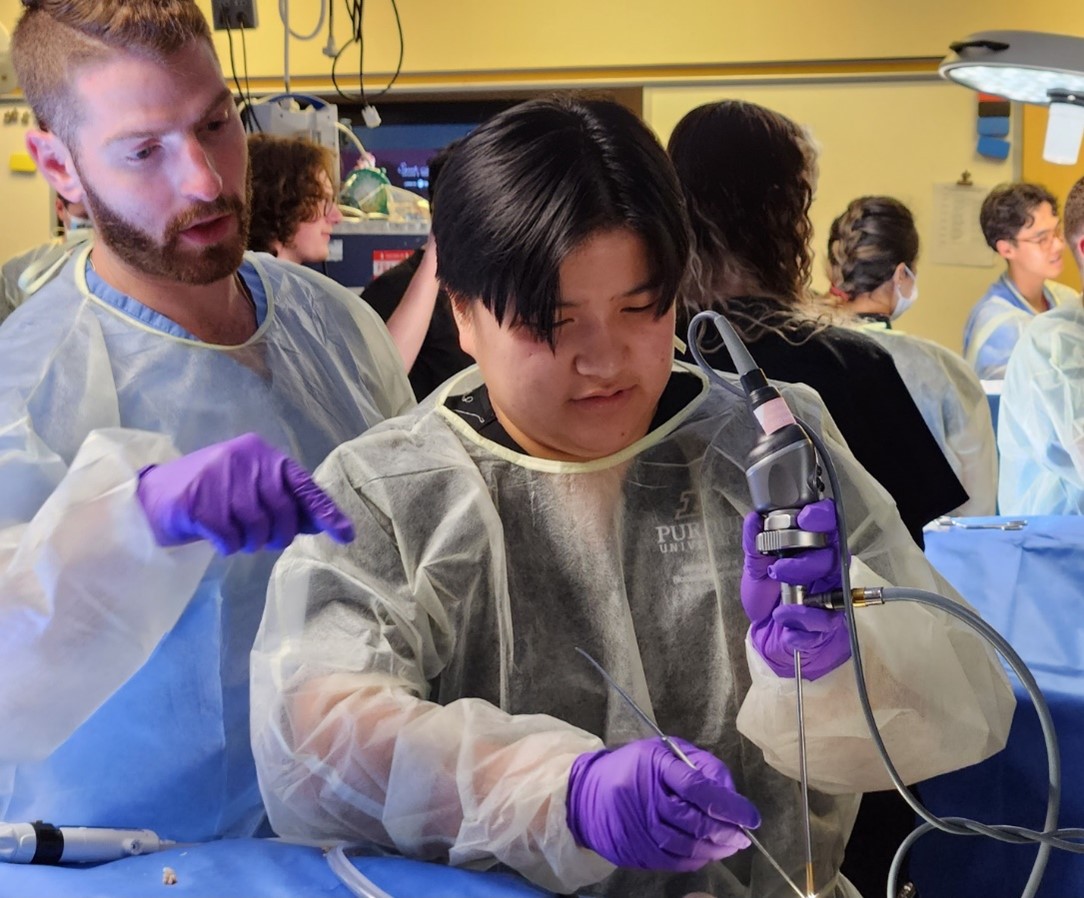
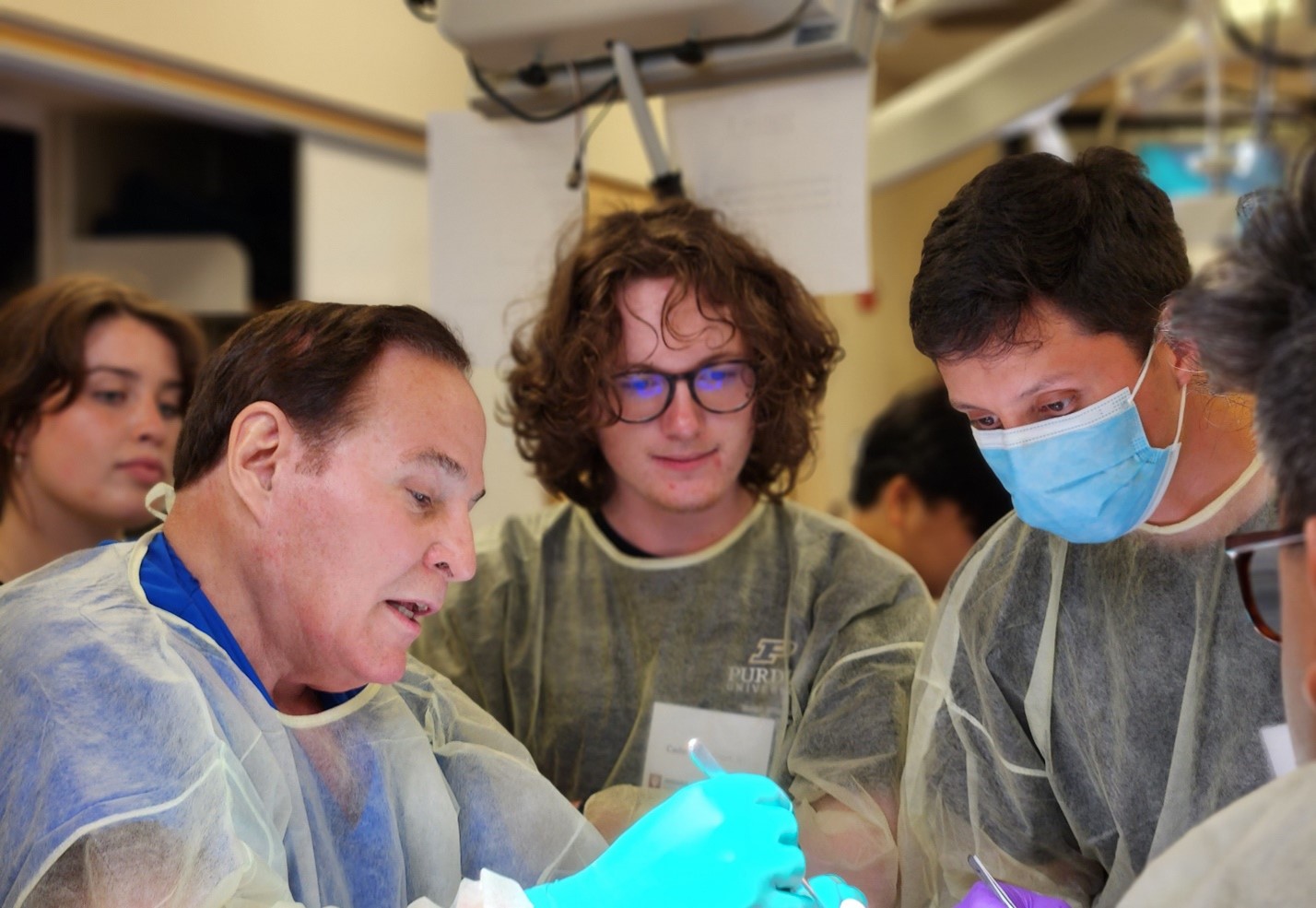
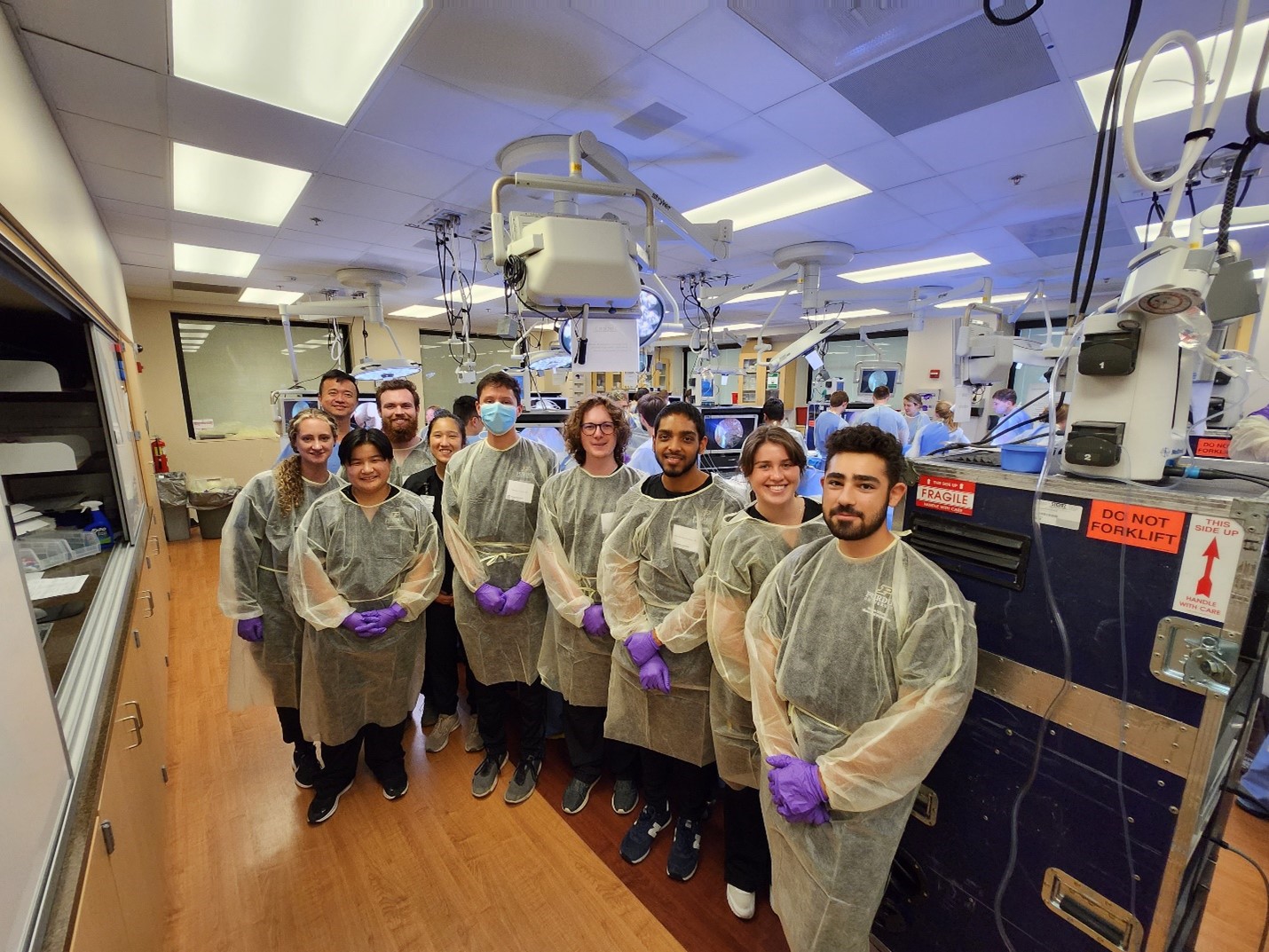
INTENT Clinical gives Purdue BME students the opportunity to immerse themselves in ENT-focused clinical medicine, learn directly from clinicians, observe healthcare practice, and better understand how biomedical engineers can contribute to medical innovation.
(IN)SCRIBE gives Purdue BME students a paid summer opportunity to step inside Indianapolis healthcare environments, observe clinical needs, and work in teams to translate those observations into biomedical design ideas. The program is especially valuable for students interested in medical innovation, clinical problem-solving, health equity, and the intersection of engineering and patient care.
The Parkview immersion opportunity introduces Purdue BME students to hospital environments, healthcare workflows, and clinical challenges through shadowing, device demonstrations, and interactions with healthcare and industry professionals. This experience helps students better understand how biomedical engineering can respond to real needs in patient care and healthcare delivery.
Neuro Immersion Program explores neurological clinical settings, clinical trials, and neurotechnology while learning about neurological devices and the connections between the brain, spinal cord, and other body systems within IU Health.
Application Process and Timeframe
This two-week program starts in mid-July and takes place annually in Indianapolis at the Indiana University School of Medicine and its affiliate hospitals. This program is targeted towards rising juniors and rising seniors. Applications typically open in early January and remain available through early February. Shortly after the application deadline, selected applicants are notified in mid-February about interview invitations. In-person interviews are generally conducted from late February through early March, with final program acceptance offers released by early March.
What ENT Program Participants Say
“As a BME student, ENT INTENT Clinical program was delightful as I was able to talk to many clinicians and better understand clinical needs.”
“Very glad I participated and definitely will recommend for some of my peers to attend next year”
“Before this program, I was planning to apply my technical degree to industry via business or finance. I still plan to do this, but the program reinvigorated my passion for medicine and developed my understanding of the overall healthcare system.”
“I really enjoyed observing and assisting in the cadaver lab as everyone was willing to answer questions and explain the procedures being performed. In our downtime, I even got to talk to doctors and device reps about where they could see room for improvement in the field”
What CV Program Participants Say
“I feel that getting to meet with the doctors in a small group setting where I could learn and ask questions was a unique and valuable experience.”
“This experience was enriching and challenging to my understanding of healthcare as well as to my own personal growth. We got a chance to put a lot of previously learned theory into practice by seeing surgeries, attending lectures, and perhaps most importantly, interacting with the hospital staff.”
“Before this program, I never knew what a perfusionist was, and now I would like to become one.”