4Bio
4Book


LOAD AND RESISTANCE FACTOR DESIGN
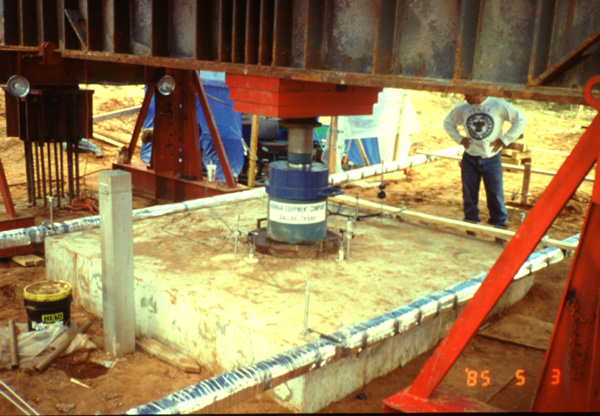
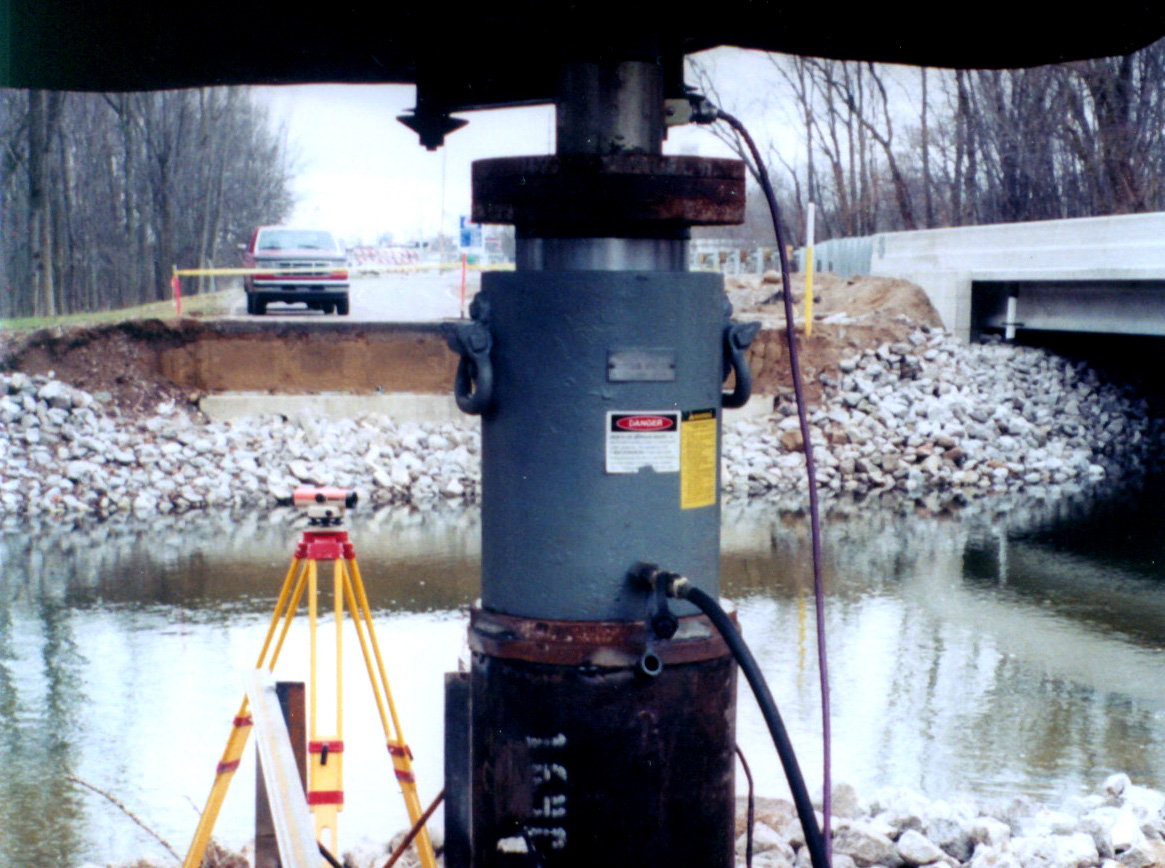
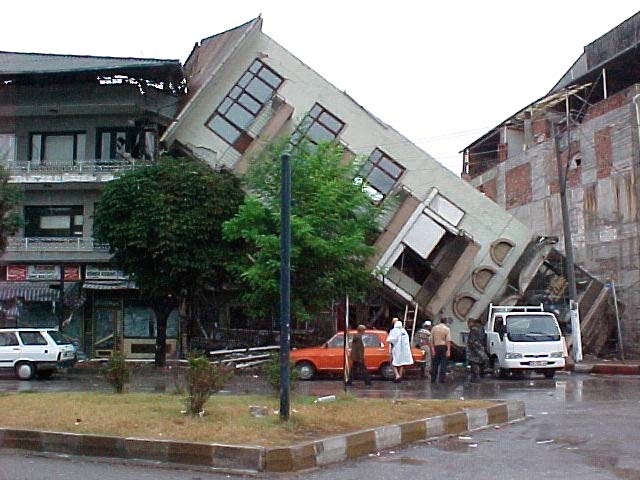
Geotechnical Design has traditionally been done using working stress design (WSD), a design approach in which a factor of safety is used to either magnify the applied loads or reduce the available resistance to ensure safety. In WSD, all the uncertainties are lumped in the factor of safety. Load and Resistance Factor Design (LRFD) is an approach in which the uncertainties related to the imposed loads are accounted for by magnifying these loads, while the uncertainties involved in reducing resitances are accounted for by reducing the resistances. This is the design framework already in use in structural design, but it is just now being contemplated for geotechnical design. This line of research seeks to organize the LRFD approach for the various geotechnical structures and to determine the specific values to be used for load and resistance factors.
Specific Research Interests
1. Scott, B., Kim, B. and Salgado, R. "Evaluation of Load Factors for Use in Geotechnical Design." Journal of Geotechnical and Geoenvironmental Engineering, ASCE, in press.
2. Foye, K., B. Scott and R. Salgado (2003). "Assessment of Variable Uncertainties for Reliability-Based Design of Foundations." Journal of Geotechnical and Geoenvironmental Engineering. ASCE. Accepted for publication.
3. Foye, K., B. Scott and R. Salgado (2003). "Resistance Factors for use in Shallow Foundation LRFD." Journal of Geotechnical and Geoenvironmental Engineering. ASCE. Accepted for publication.