Research
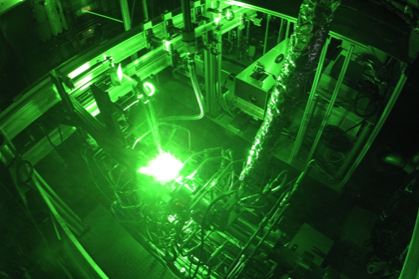
Advanced Propulsion and Combustion Technologies
The Slabaugh Group seeks to understand the coupled physics and chemistry of combustion through complementary experimental and analytical approaches. Our research program covers a wide range of topics: from the fundamental exploration of turbulence-chemistry interactions to the development of advanced combustion technologies for liquid rocket engines. The Slabaugh Group also maintains a continuous effort in the advancement of high-bandwidth (typically, laser-based) measurement techniques to non-intrusively probe the physics of these complex, reacting flows.
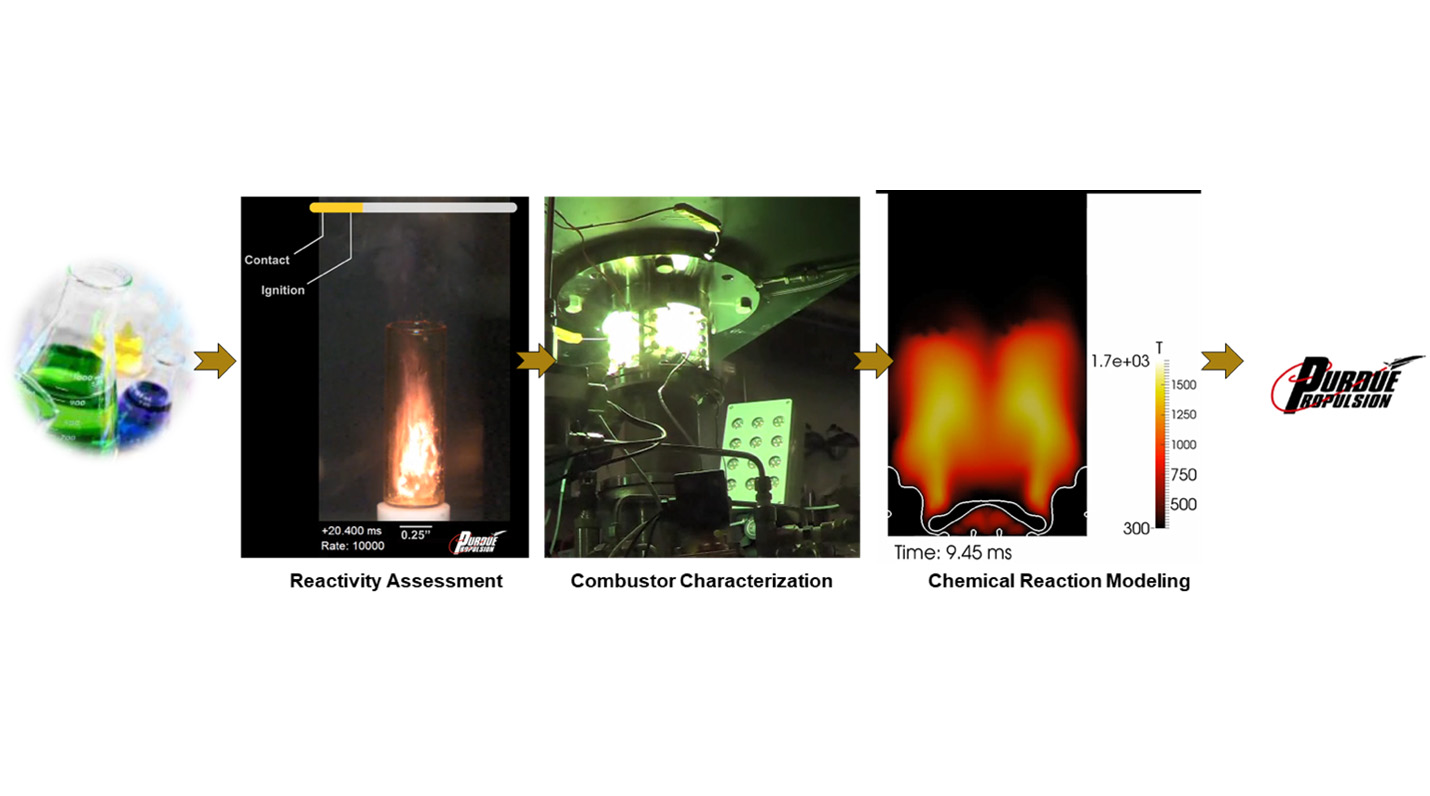
Hypergolics
The Aerospace Propulsion and Energy Conversion Systems (APECS) Lab aims to synthesize and demonstrate safe, high-performing alternatives to monomethylhydrazine (MMH), a toxic and volatile compound used as rocket propellant. APECS researchers work to design and characterize chemical structure and reactivity relationships at representative system conditions. APECS facilities include altitude chambers for testing and flight mission support, rocket test stands.
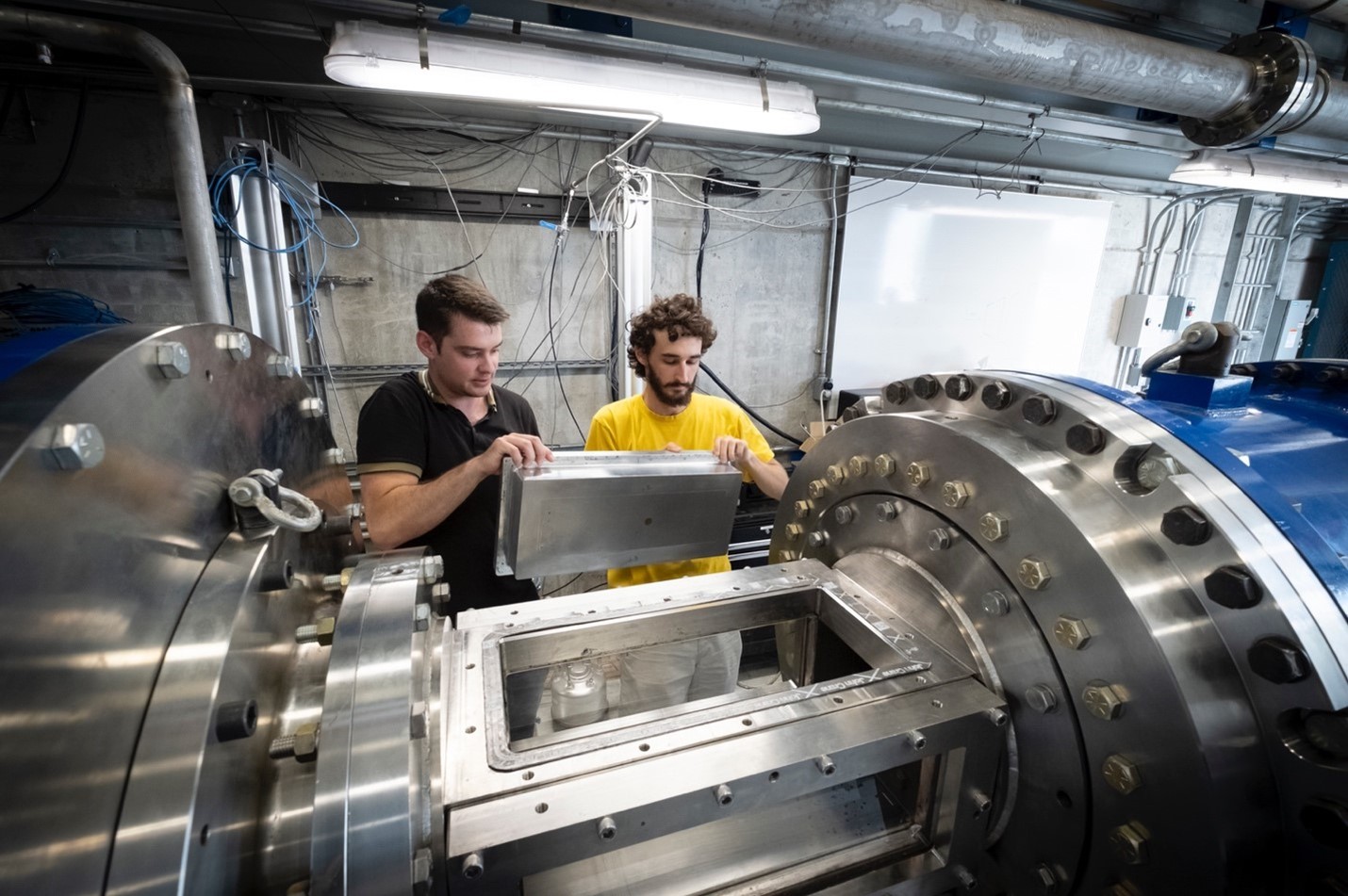
Turbine AeroThermal
The Purdue Experimental Turbine Aerothermal Laboratory (PETAL) is pioneering the transition to a world of clean propulsion and power generation. The team combines expertise in measurement techniques, experimental testing procedures, theoretical calculations, and computational analysis, with a focus on research and development for turbines and novel thermal-based cycles. PETAL’s experimental facilities can perform both transient and continuous tests suited for precise heat flux, efficiency, and optical measurement techniques to advance turbine aero-thermal-structural engineering.
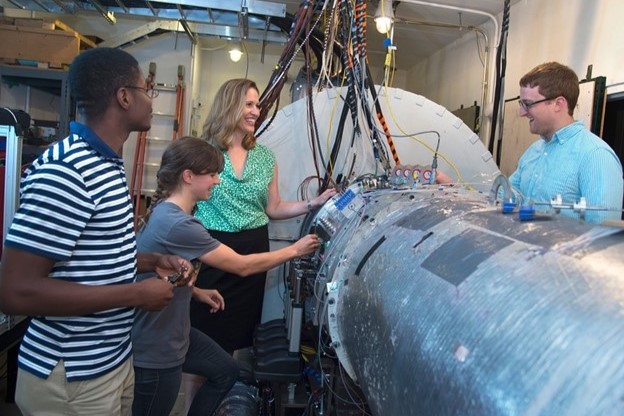
High-Speed Fan and Compressor Aerodynamics and Aeromechanics
Research in the Purdue High-Speed Compressor Research Laboratory is targeted toward understanding the effects of blade row interactions on compressor performance and durability in both axial compressors and centrifugal compressors. Steady and unsteady aerothermal measurements acquired in the compressor test facilities highlight flow phenomena that are relevant to the advancement of modern high-performance compressors.
Fundamental Characterization of Advanced Energetic Materials
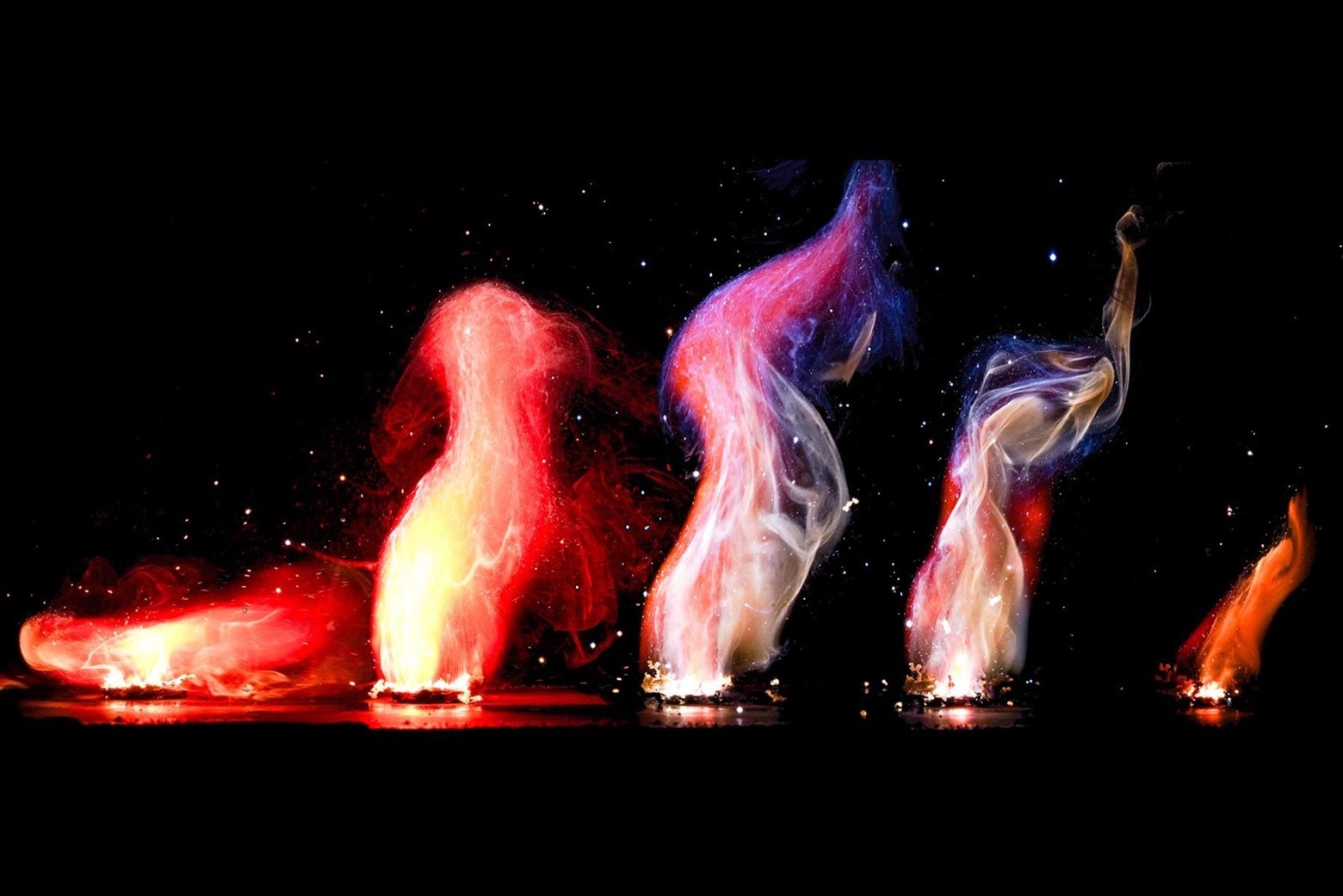
The Son Research Group aims to improve the performance, safety, or toxicity of energetic materials by studying their fundamental characteristics. This includes engineering ingredients, fabricating tailored materials, and characterizing performance using state-of-the-art dynamic experimentation. The team also studies energy topics, advanced batteries, metals as energy carriers, cleaner coal combustion, and hydrogen storage.
Additive Manufacturing of Energetic Materials
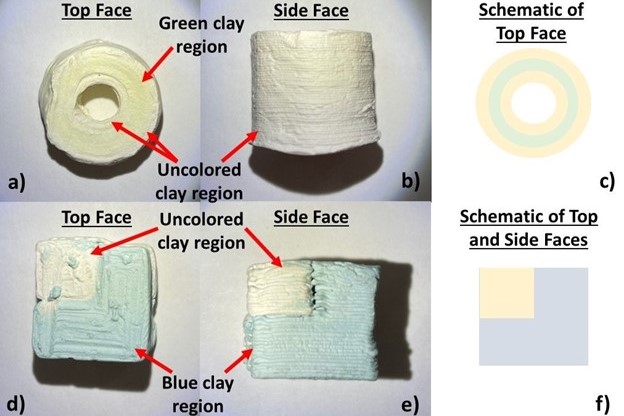
The McClain Research team is working to develop the precision use of energetic materials through additive manufacturing. This includes developing complex, multi-material geometries and implementing in-situ monitoring of the manufacturing process to repeatably create high-performance and high-quality additively manufactured energetic materials (AMEMs). This interdisciplinary expertise ranges from formulation development, machine customization, process optimization, in-situ qualification, and characterization of mechanical and combustion properties.
Fluid Mechanics and Dynamics
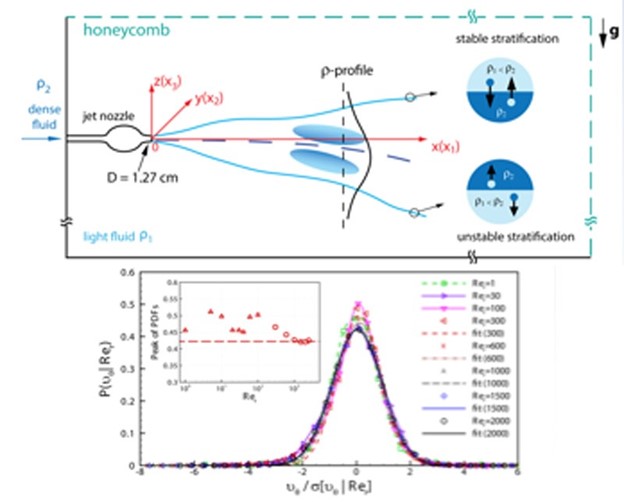
The Experimental and Applied Fluid Dynamics Laboratory looks for ways to improve many fluid flow and energy transfer applications, including wind and hydrokinetic power, marine hydrokinetic energy, low Mach number aeroacoustics, and even home appliances and cardiovascular flow.

Combustion Physics and Advanced Diagnostics
Next-generation propulsion and energy systems require a detailed understanding of highly dynamic, multi-phase, reacting, and high-speed flows over a wide range of temperatures and pressures. The Advanced Diagnostics and Propulsion Research Laboratory specializes in advanced non-intrusive laser- and x-ray-based diagnostics to reveal the in-situ physico-chemical behavior of high-speed and reacting flows within extreme aero-thermal systems.
Combustion and Heat Transfer
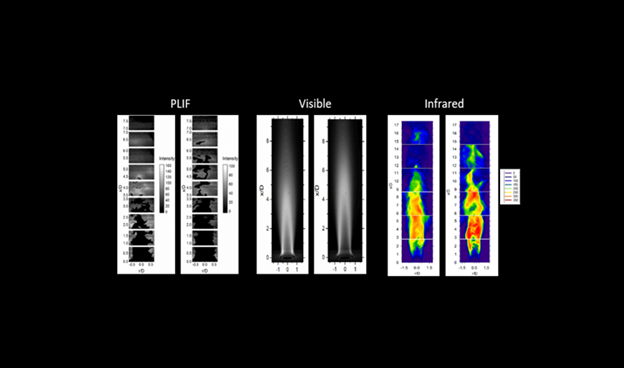
The Gore Research Group investigates combustion and radiation heat transfer with applications to pollutant reduction, efficiency enhancements, fire safety, and improved fundamental understanding of various combustion phenomena. This research group contributes to fields of combustion, gasification, carbon nanotubes, and hydrogen storage.
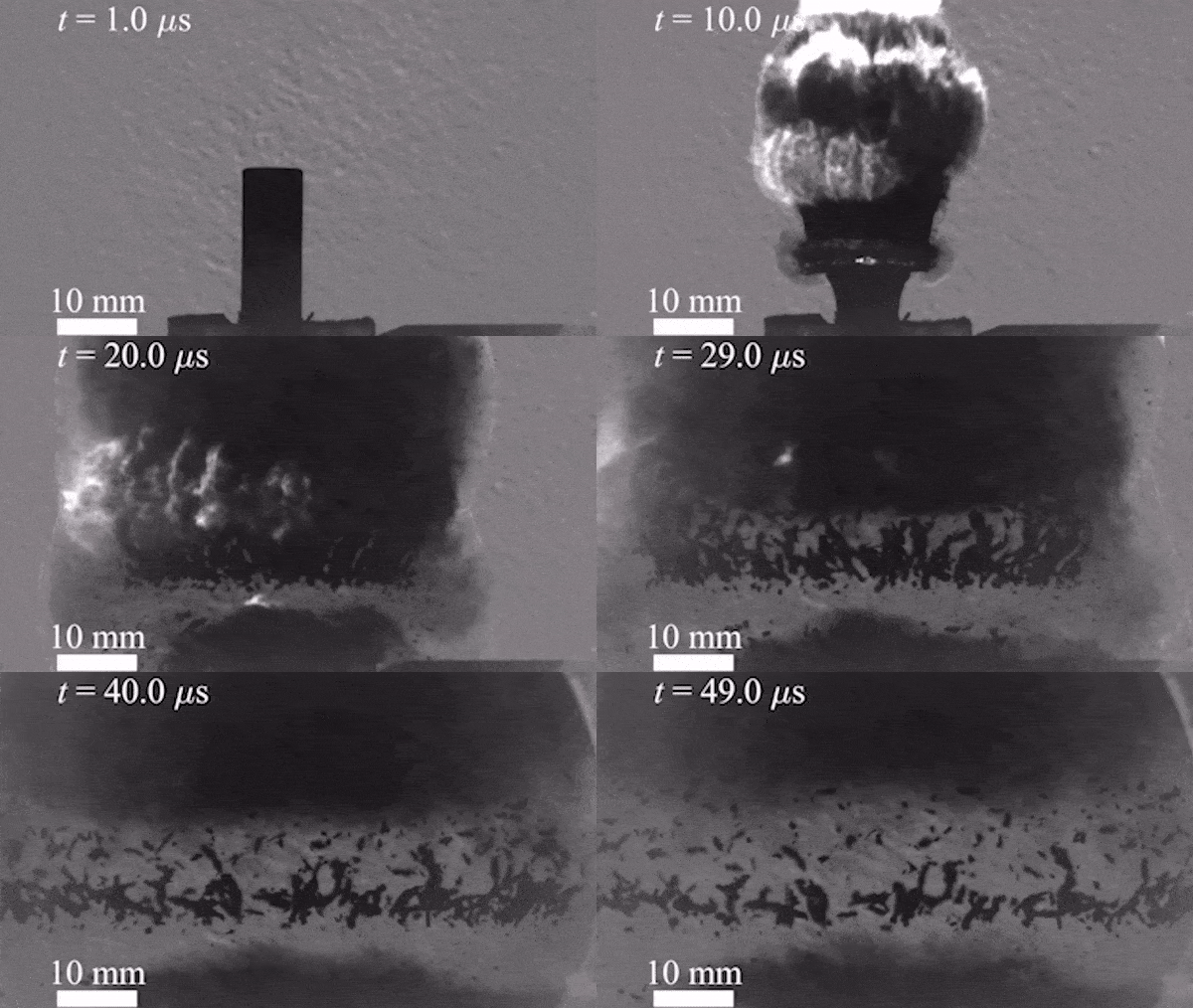
Characterization of Energetic Materials and Sprays
The Guildenbecher Research Group characterizes dynamics in harsh multiphase environments. We perform diagnostics for energetic materials (explosives, propellants, pyrotechnics) including ultra-fast laser diagnostics, laser-induced incandescence, object tracking and triangulation, digital inline holography, and more. We also characterize sprays and liquid atomization.